

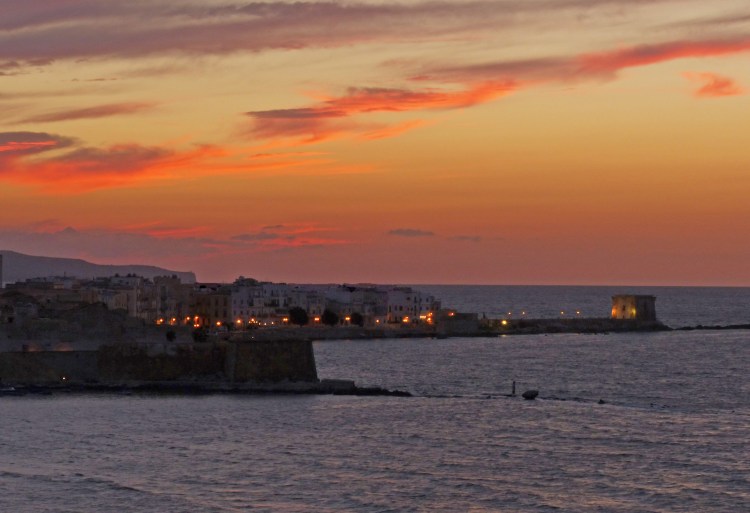
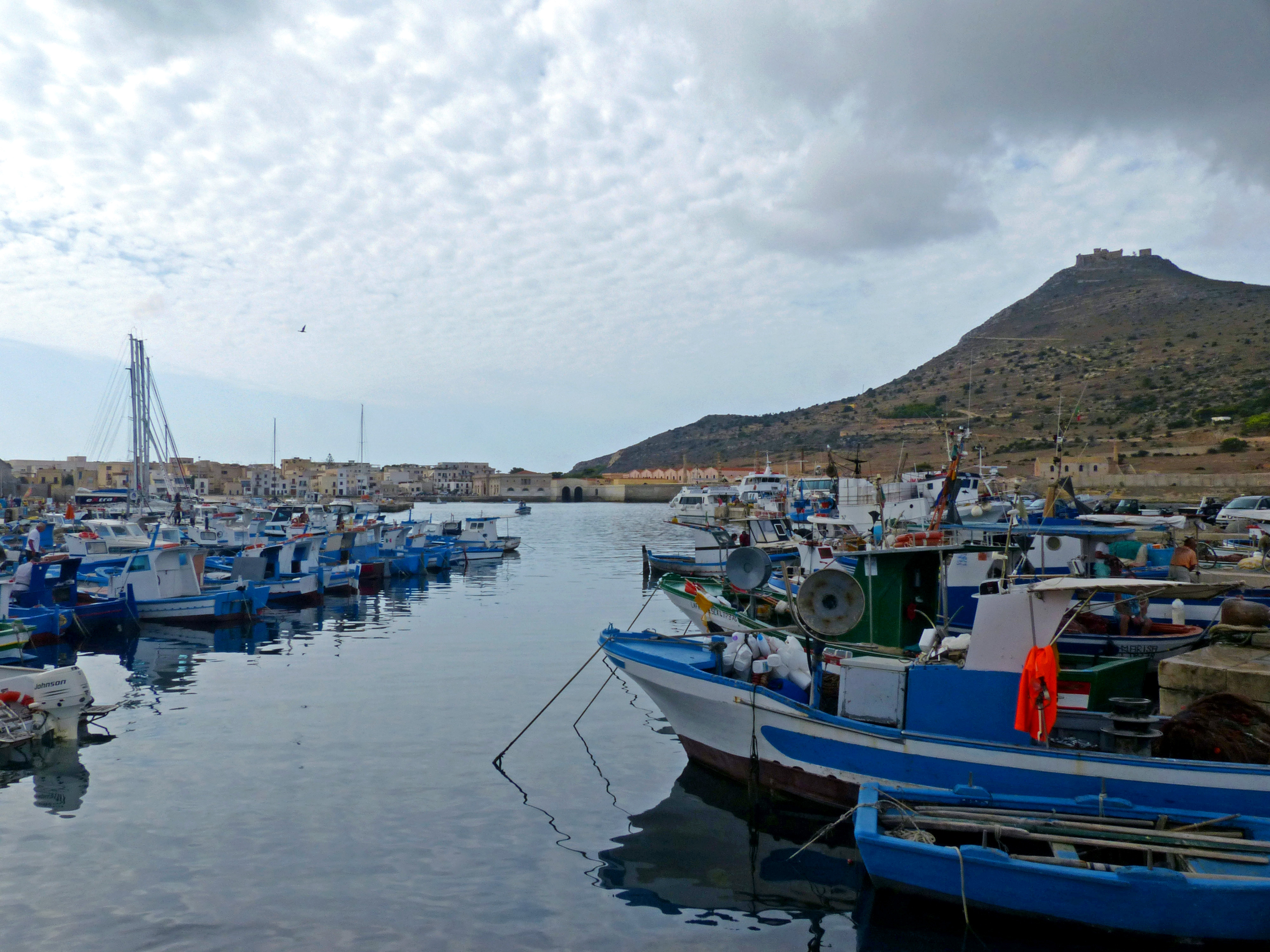
The fishing port of Trapani on the western tip of Sicily.


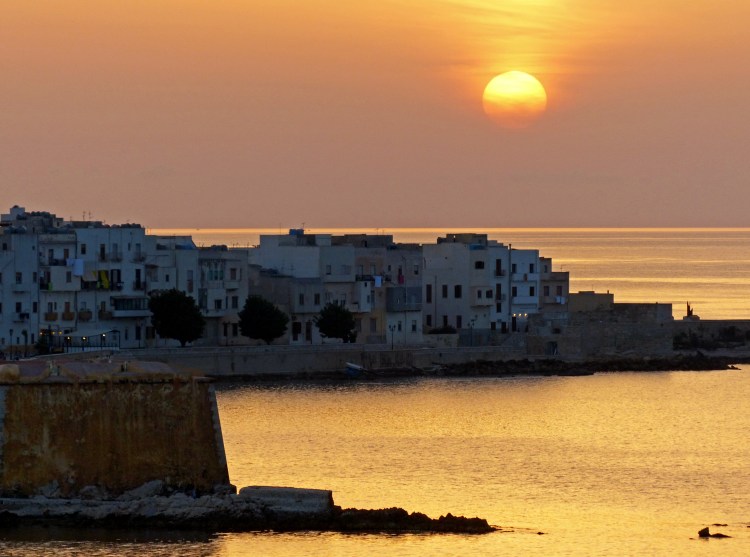
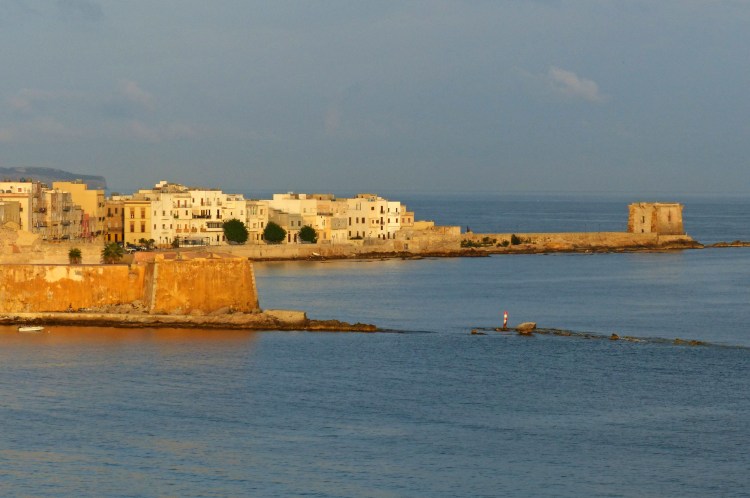
Trapani is a small town and port on land jutting out into the sea at the very western end of Sicily. In contrast, on the island’s extreme eastern end is Syracuse, the site of the island’s greatest ancient Greek city and later an early centre of Christianity. Malta to the south of Sicily, but connected geologically, is famous for holding out against the Muslims in the mid-sixteenth century and the Nazis in the mid-twentieth century. A similar distance north of Sicily is the island of Ischia. Also, an early ancient Greek colony, it is just a short boat ride from Naples.
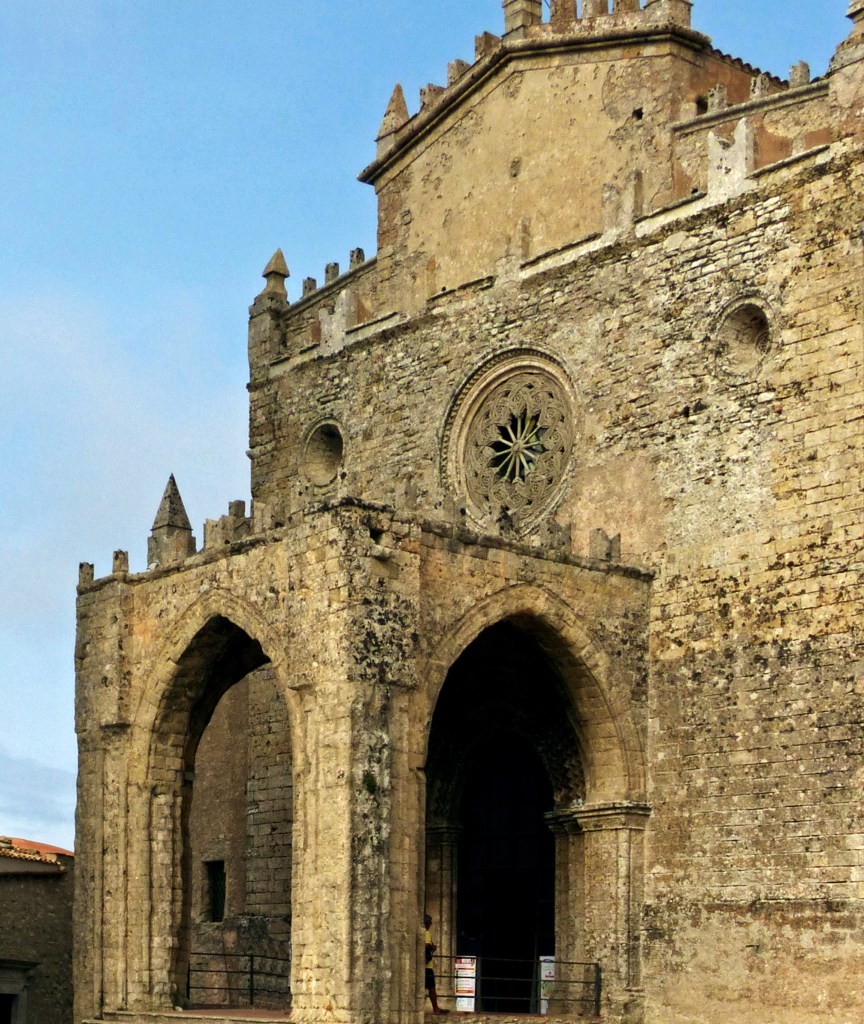
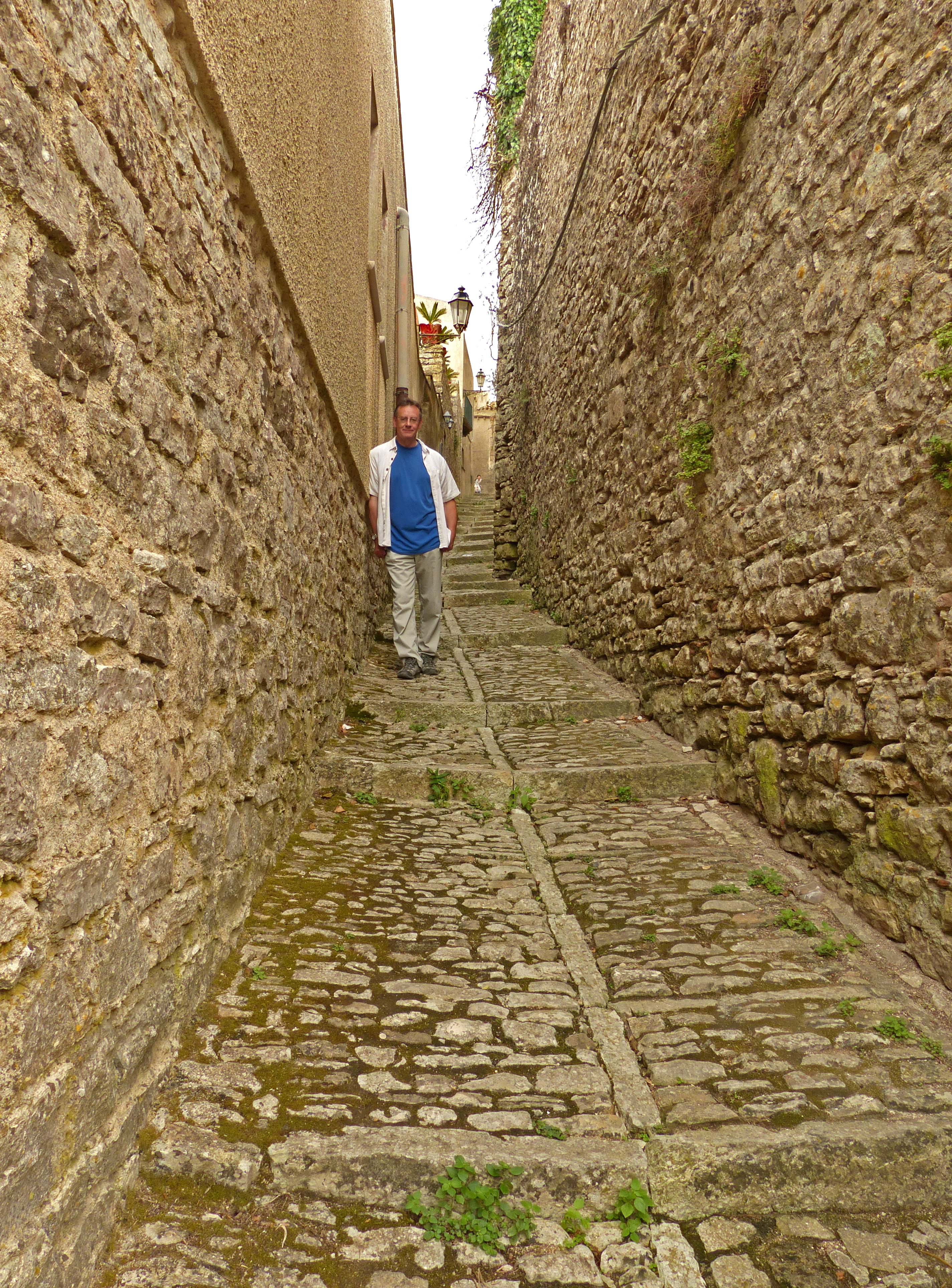
Overlooking Trapani is Eriche, which is situated on an isolated mountain overlooking the town and the Mediterranean. It is a cluster of medieval buildings and narrow stone streets that can be accessed from Trapani by cable car. The views from the medieval walls are spectacular in every direction, with the Egadi Islands to the west and the distinctive conical shape of Monte Cofano to the east.
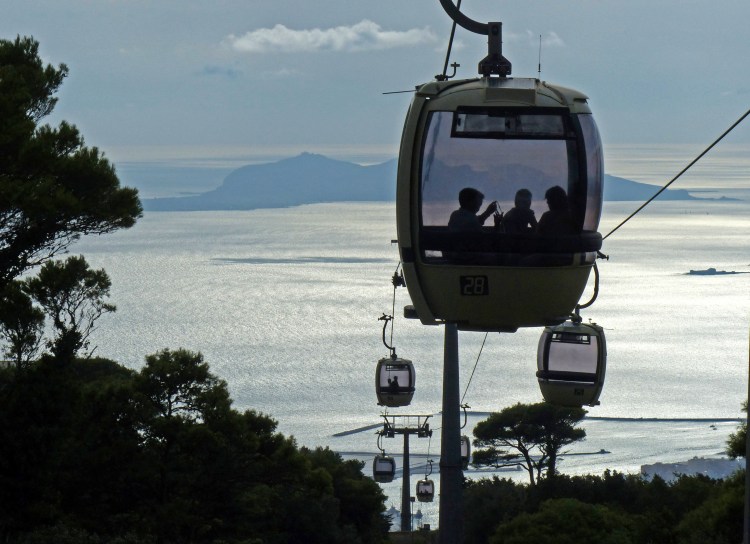
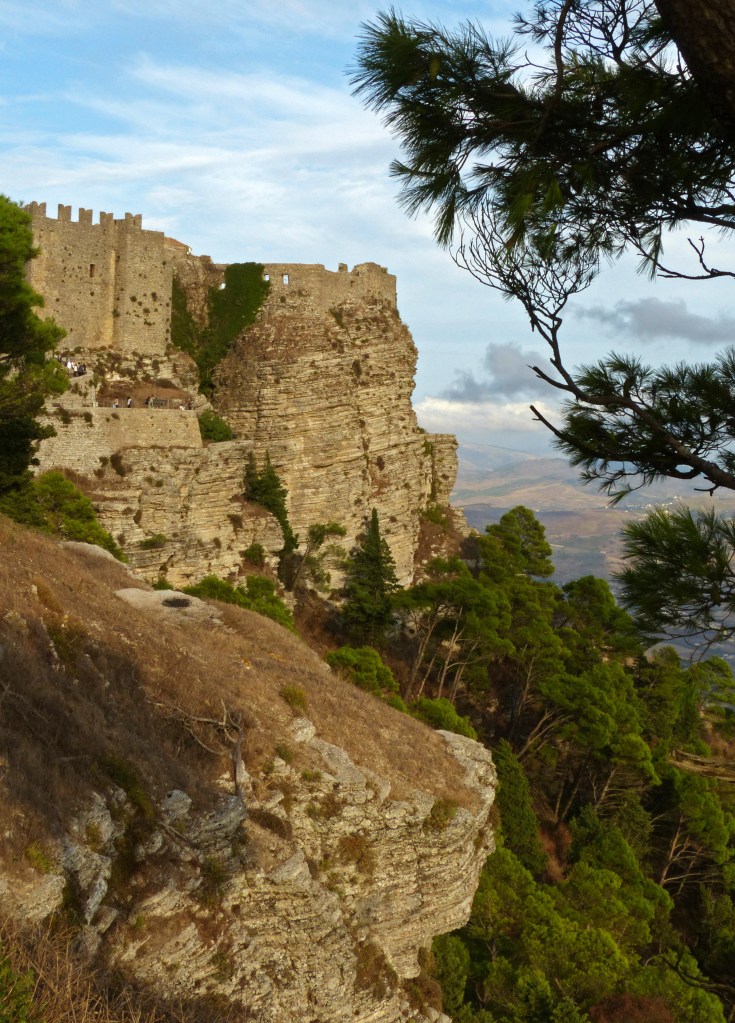


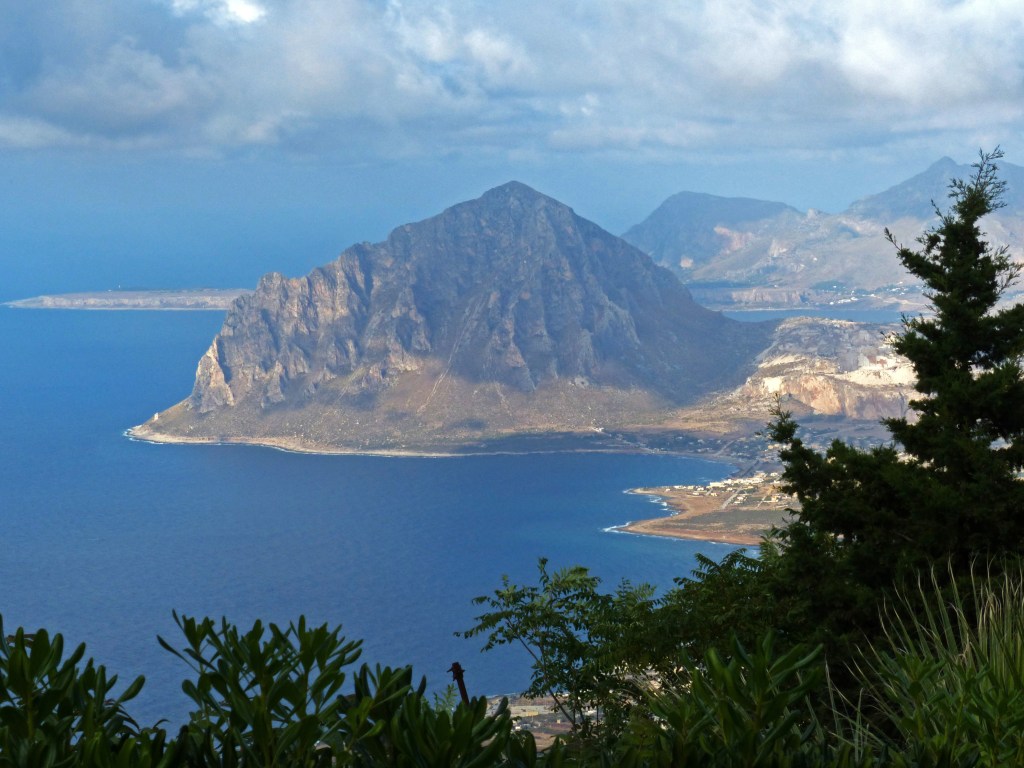
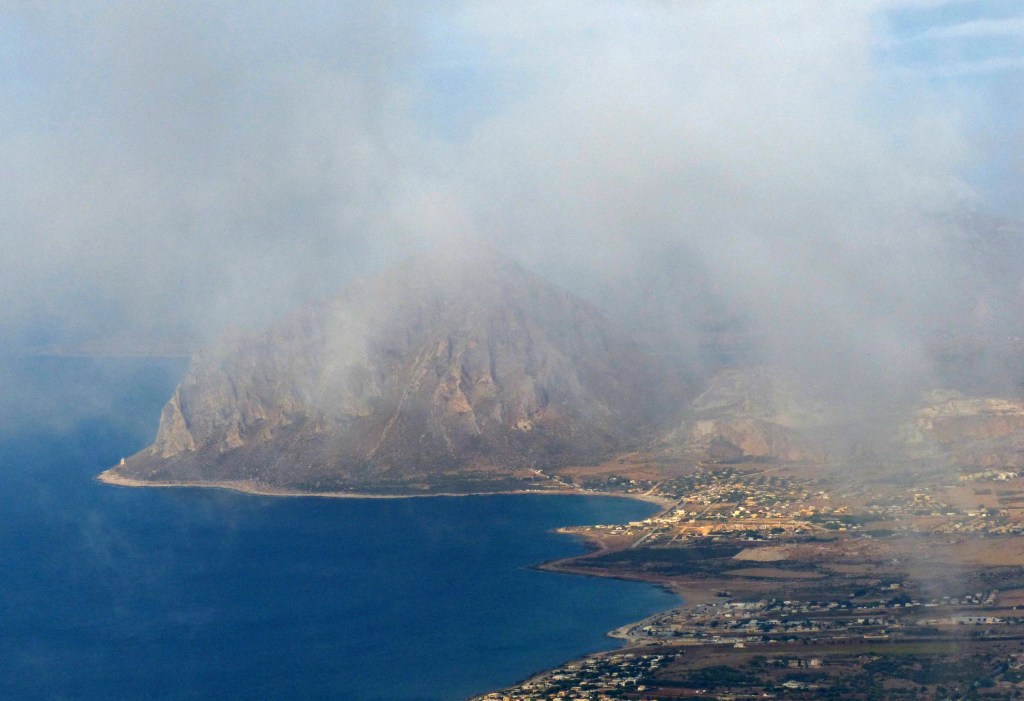

The Egadi Islands, as seen from Eriche in the late afternoon light in September.
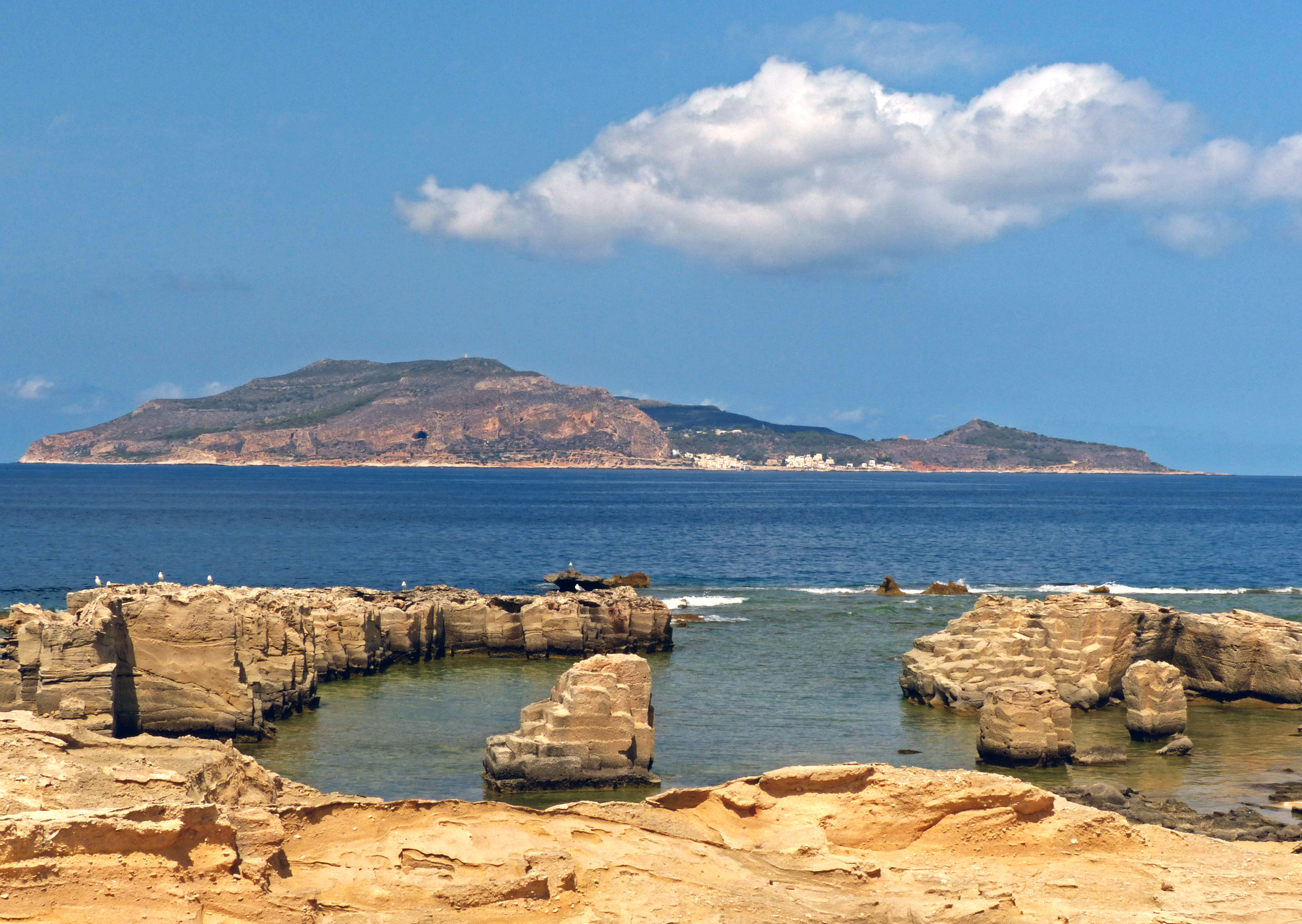
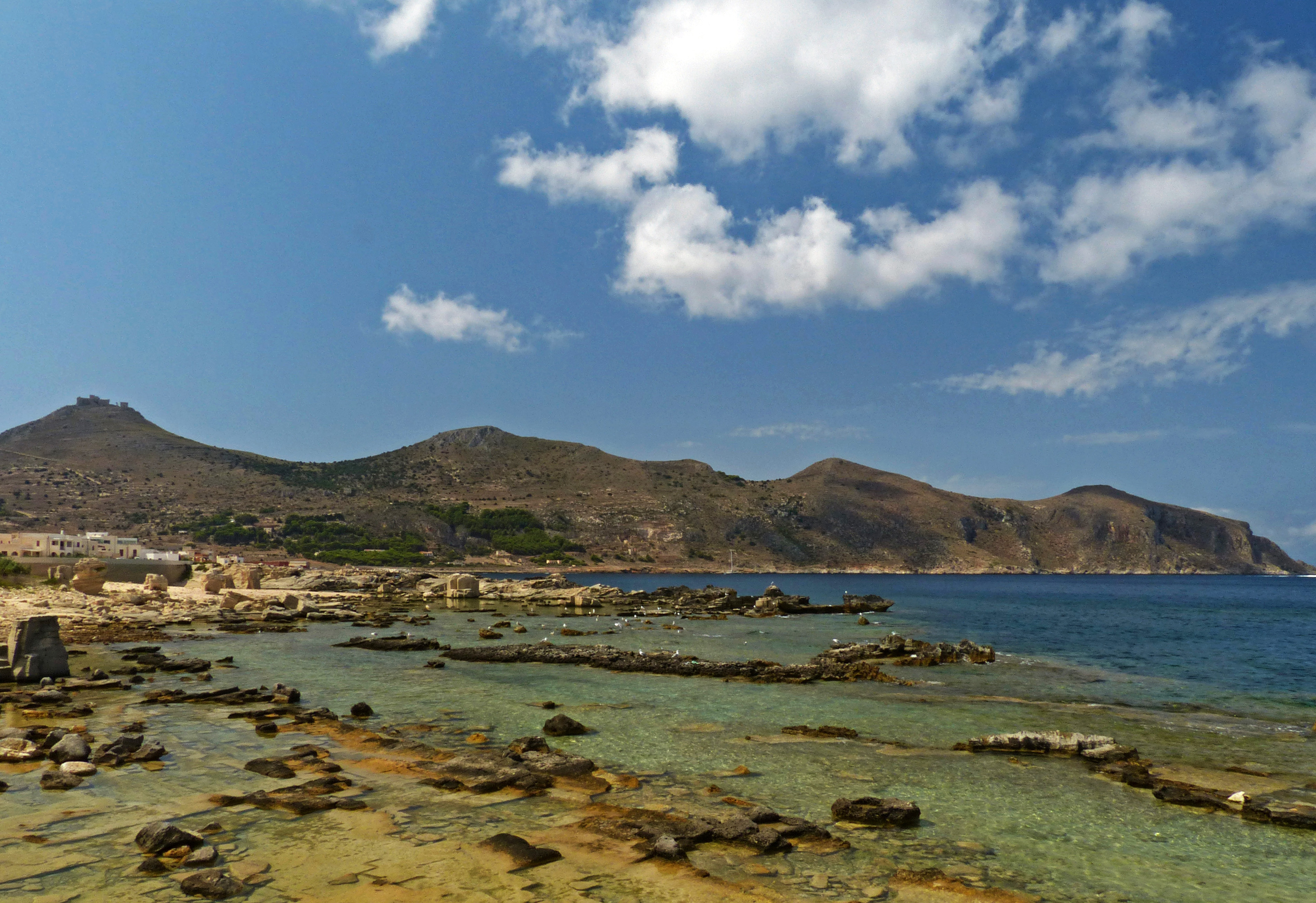
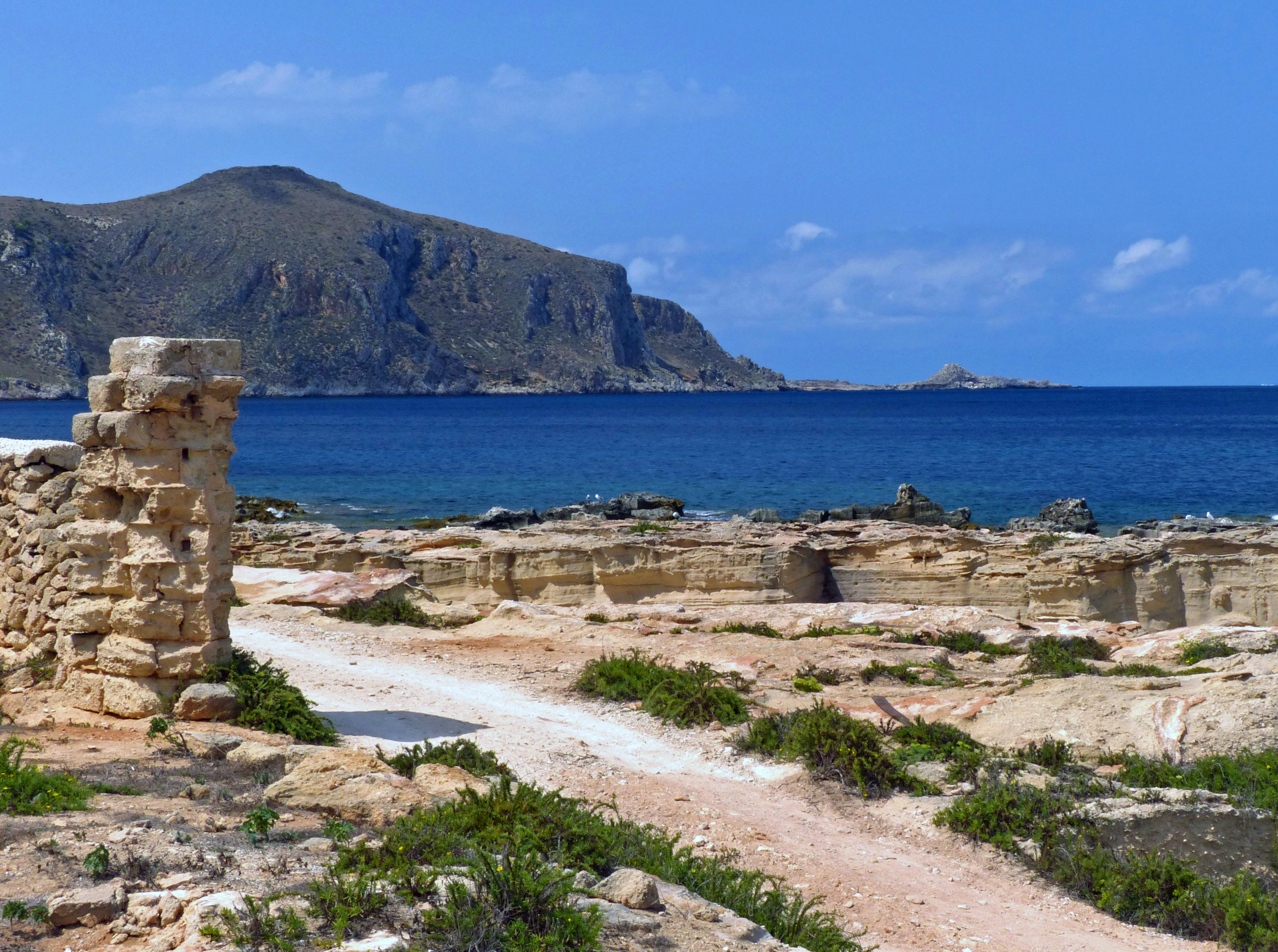
The rugged Egadi Islands are scattered just offshore west of Trapani and are worth a visit for their rocky limestone profiles surrounded by a deep blue sea, which changes to golden at sunset when viewed from Trapani or Eriche.
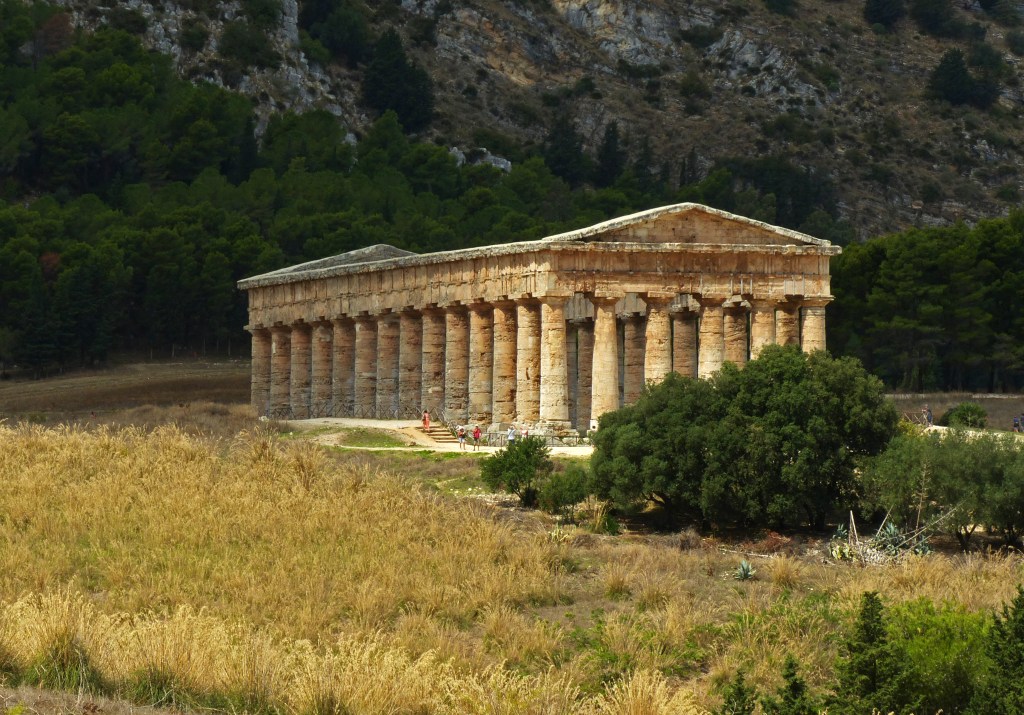
Inland from Trapani is Segesta, which is the site of one of the best preserved ancient Greek temples in Sicily. It is on a hill overlooked by cliffs with a deep ravine hidden behind it.
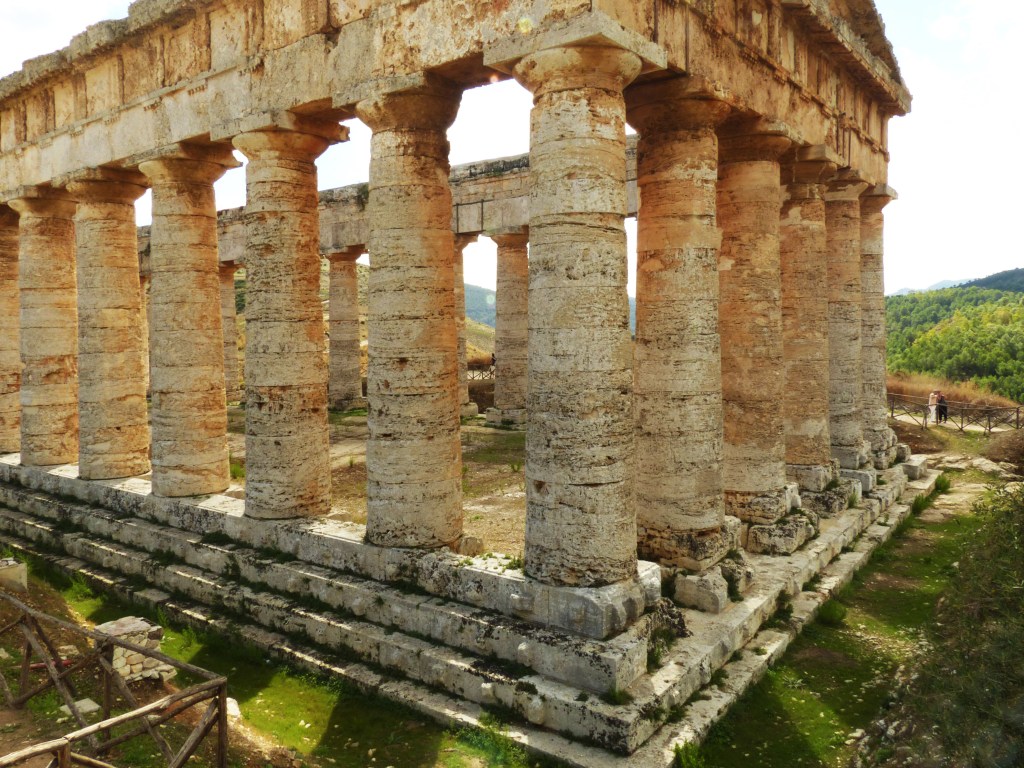

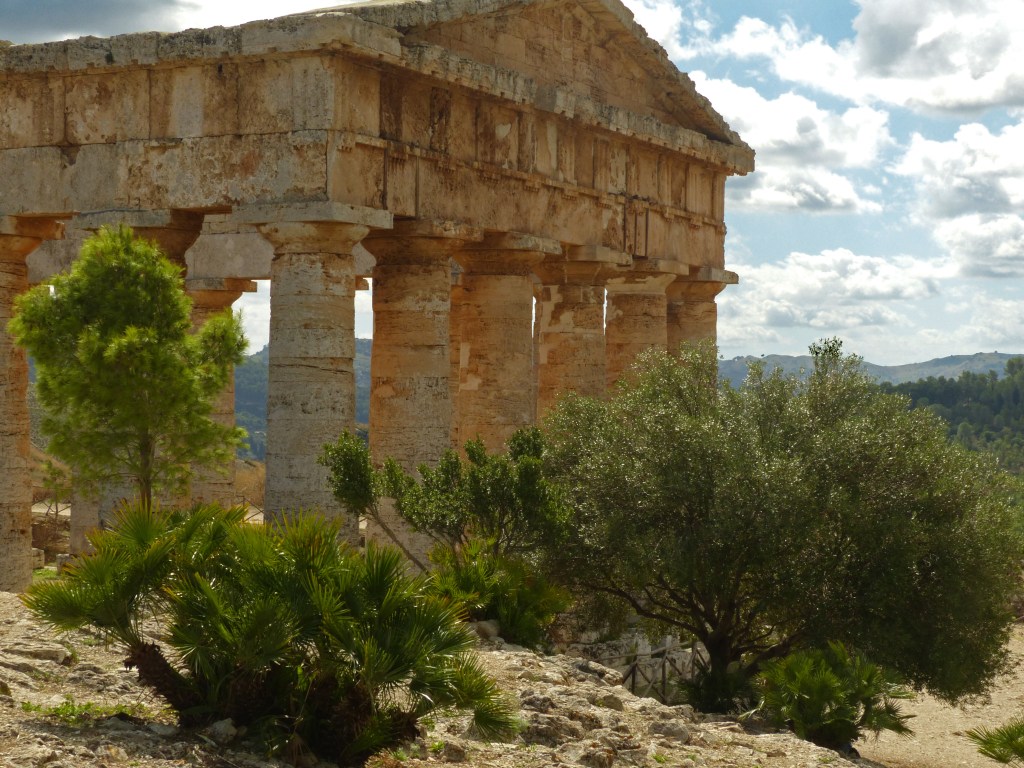
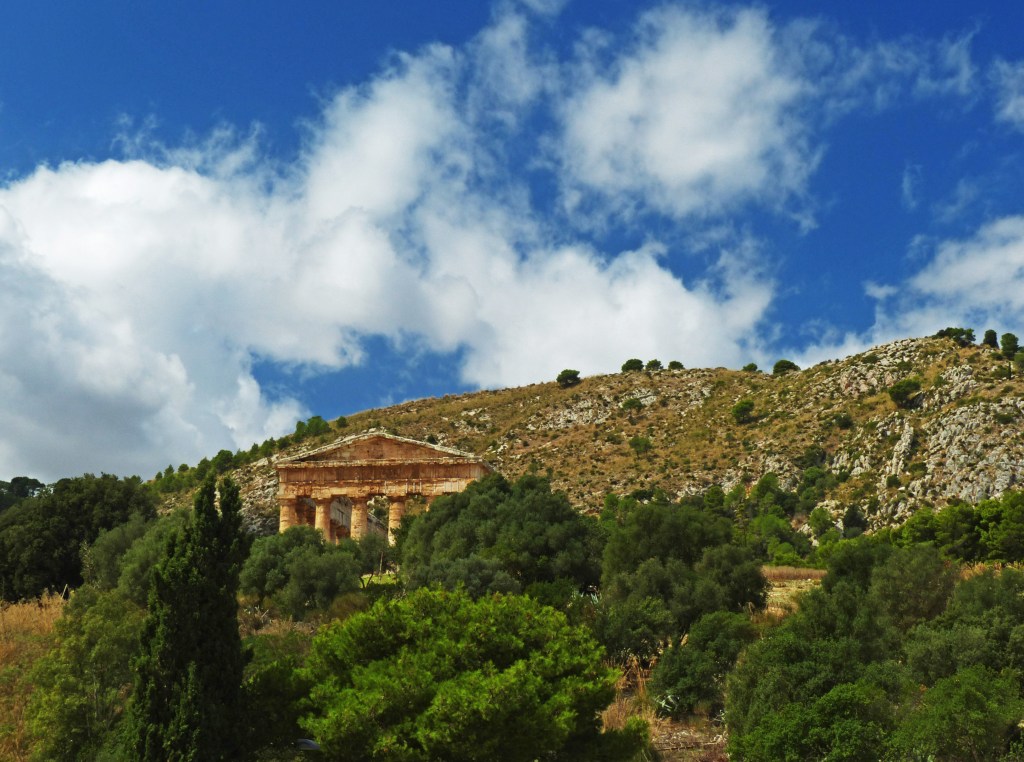

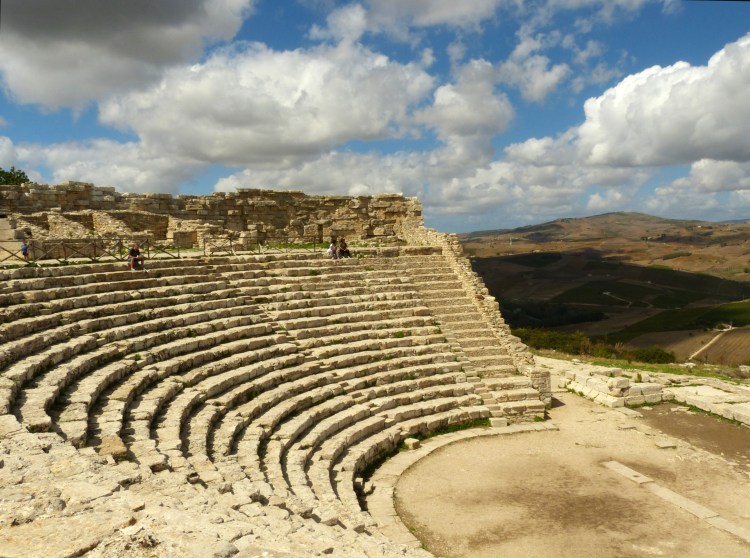
Beyond the temple, an ancient paved road leads up to the amphitheatre. The views from here expand to include the sea to the north and distant mountains in the east.
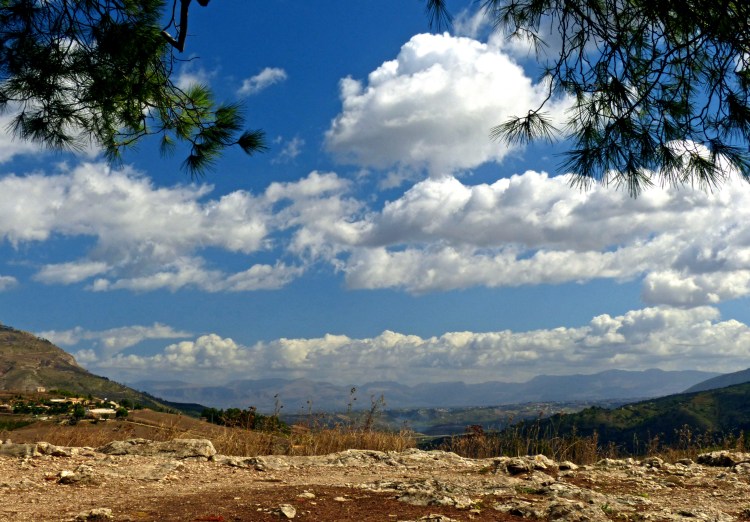
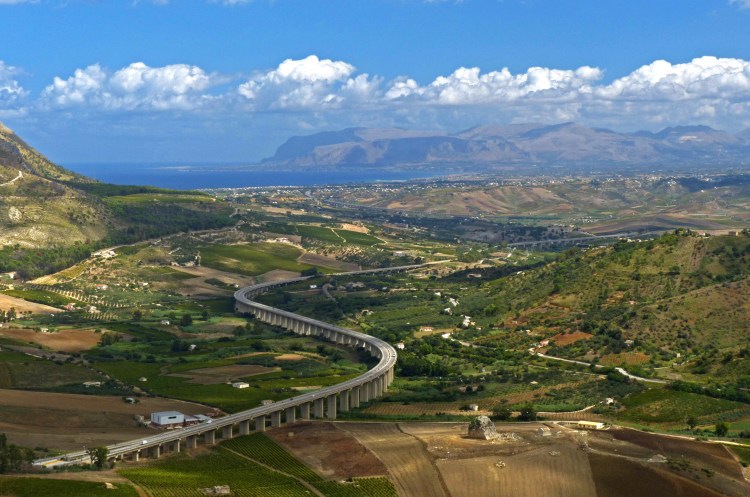
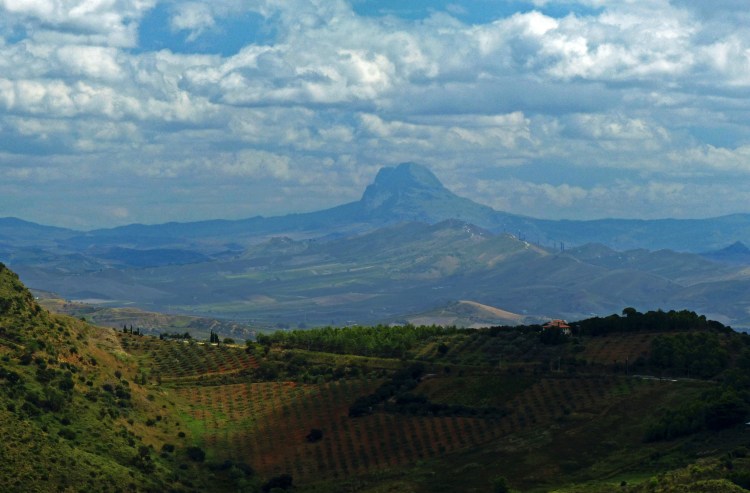
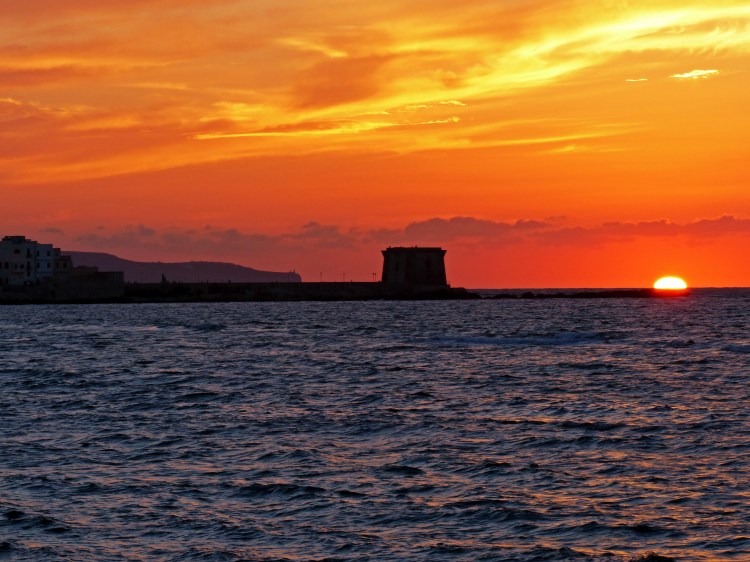
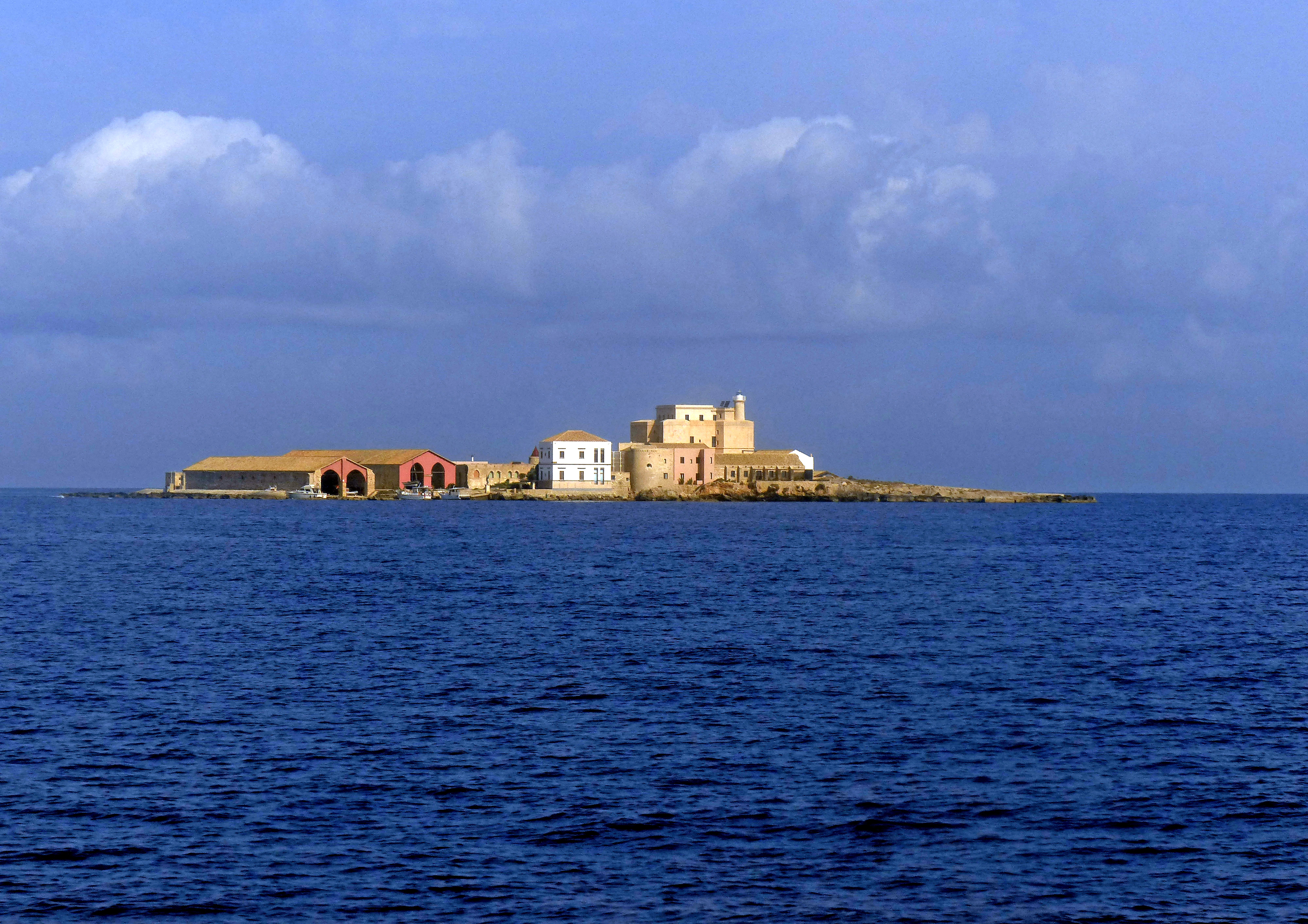
Dawn and dusk over Trapani in changing light.
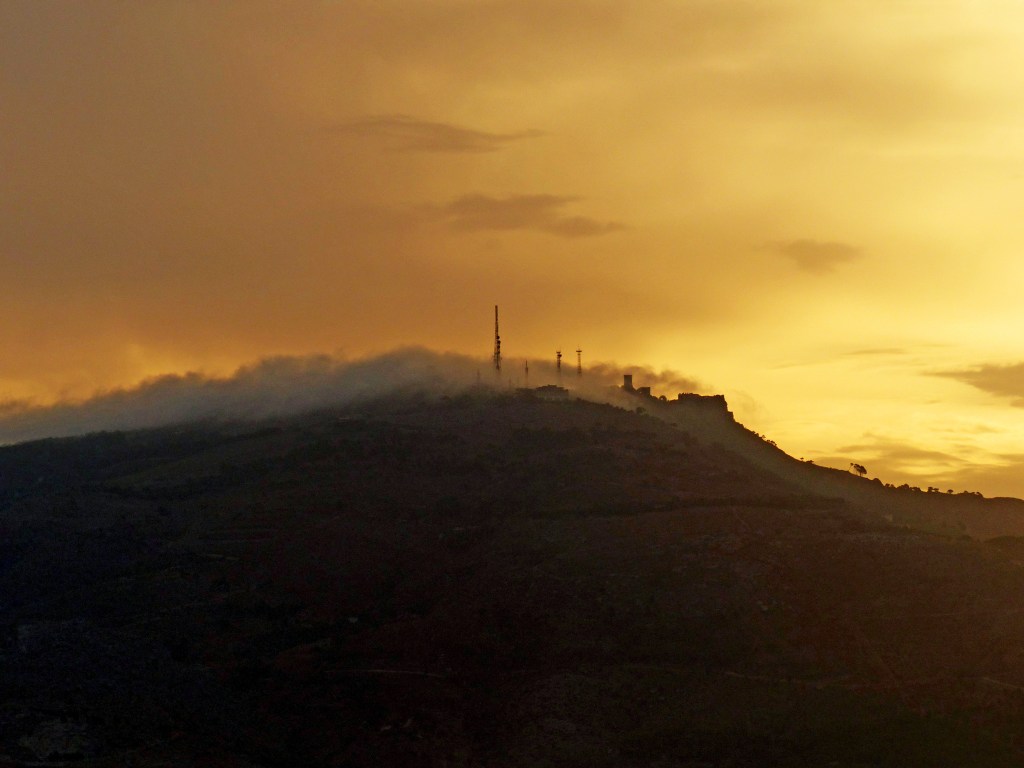
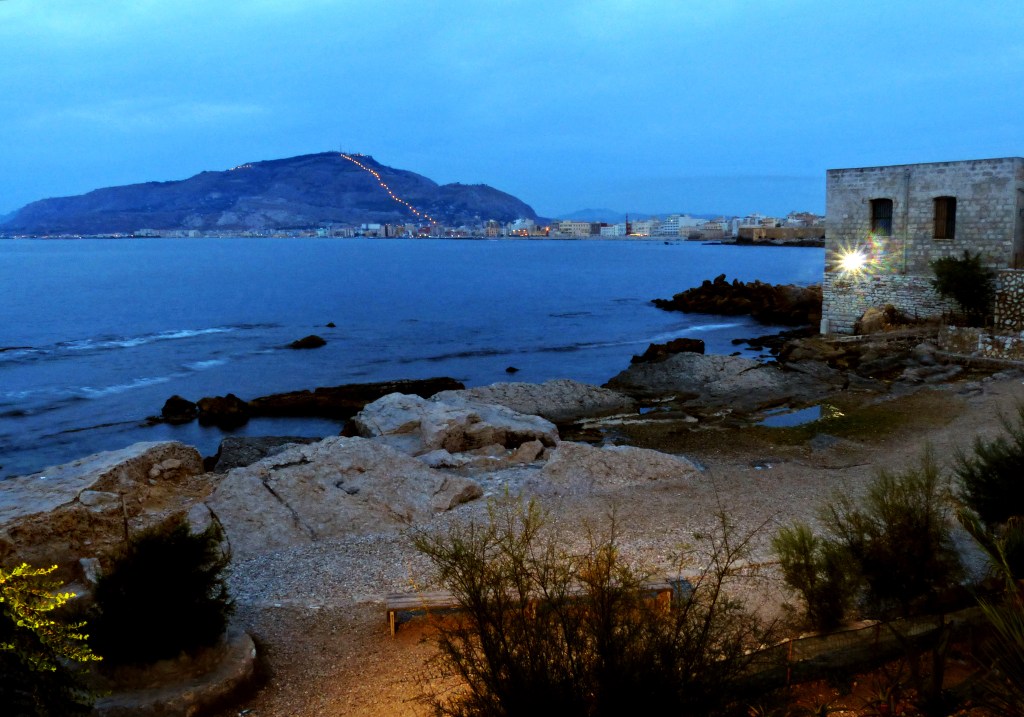


Below is a short slideshow of a variety of locations we discovered on our visit to the area during a week in September some years ago.
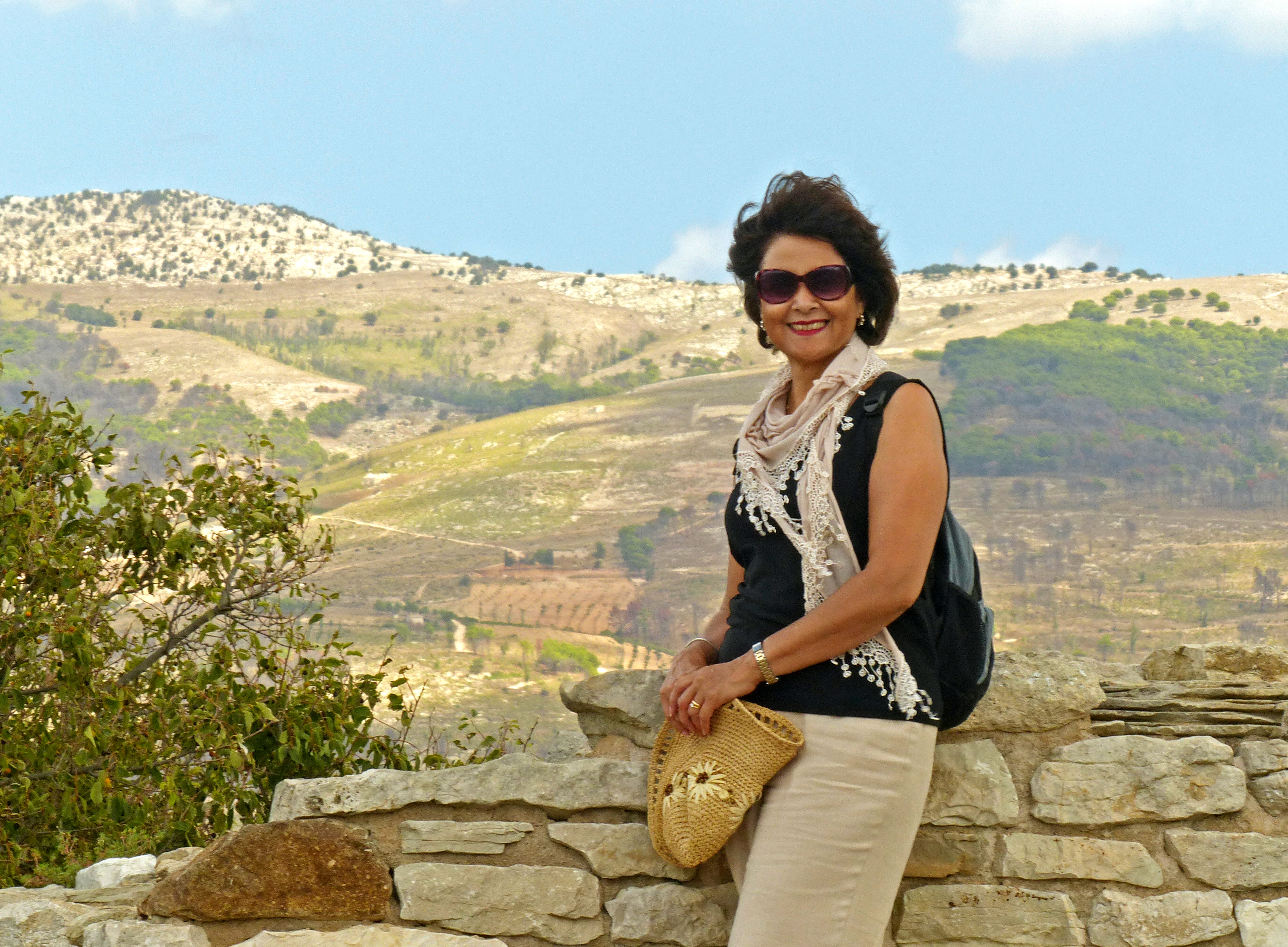

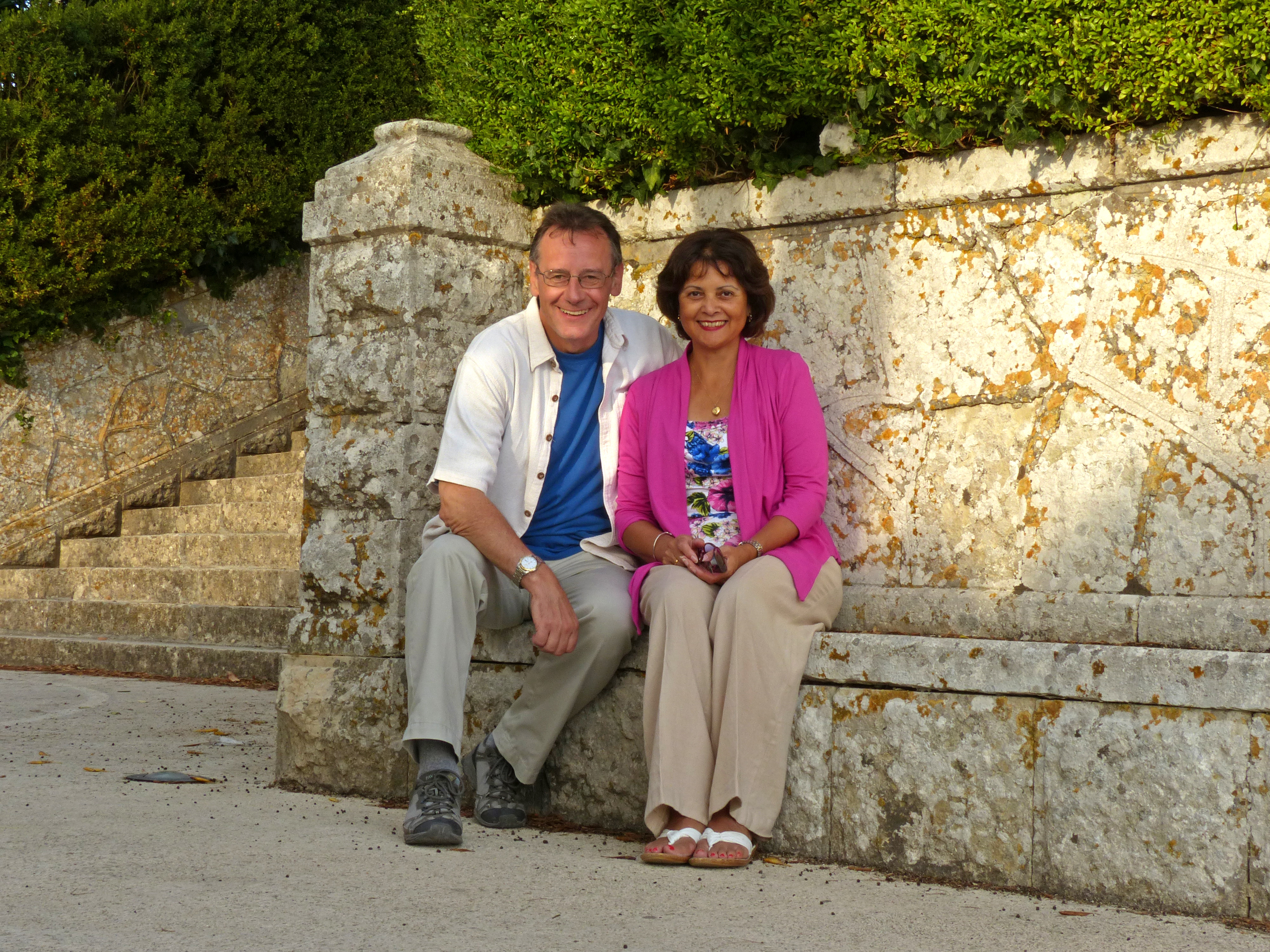
Images of the rugged local landscape. Showing Eriche in the evening light and inside the untamed ravine behind the temple of Segesta.


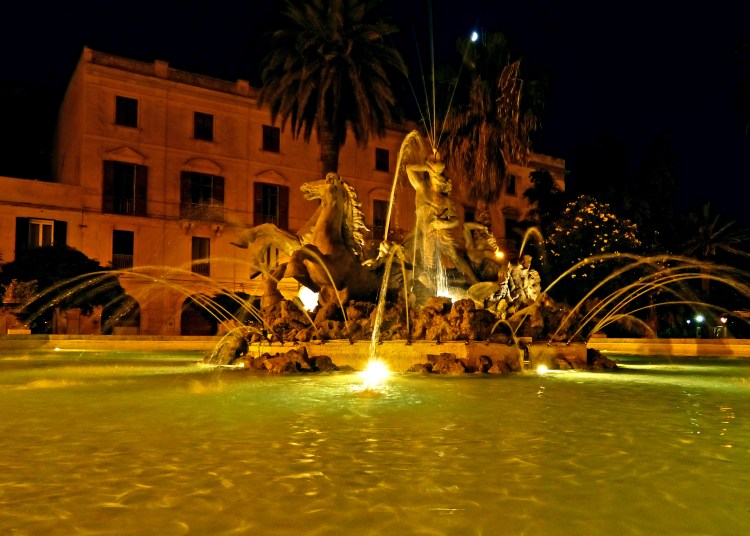
On the far side of Sicily, on its eastern coast, stands the city of Syracuse with its long and illustrious past. The historic quarter is on the island of Ortygia, across a narrow bridge and centred around the Piazza del Duomo overlooked by the cathedral, which started life as a classical Greek temple. Another focal point is the Piazza Archimede, which is particularly attractive at night when the Fontana di Diana is lit up.
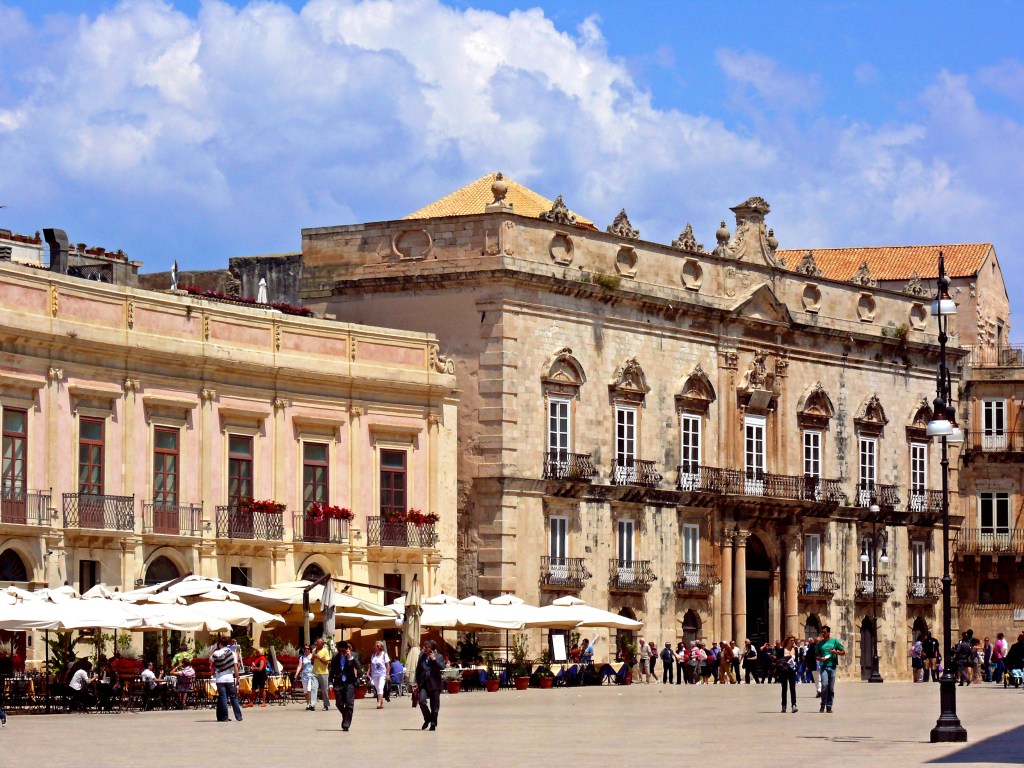

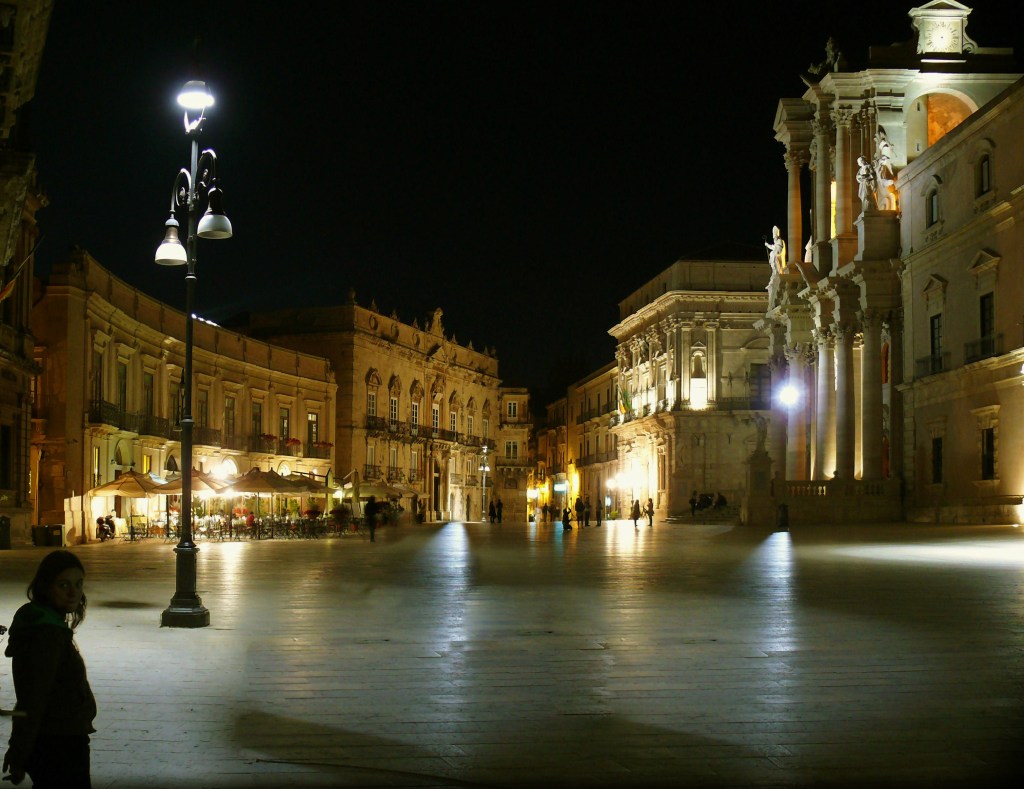
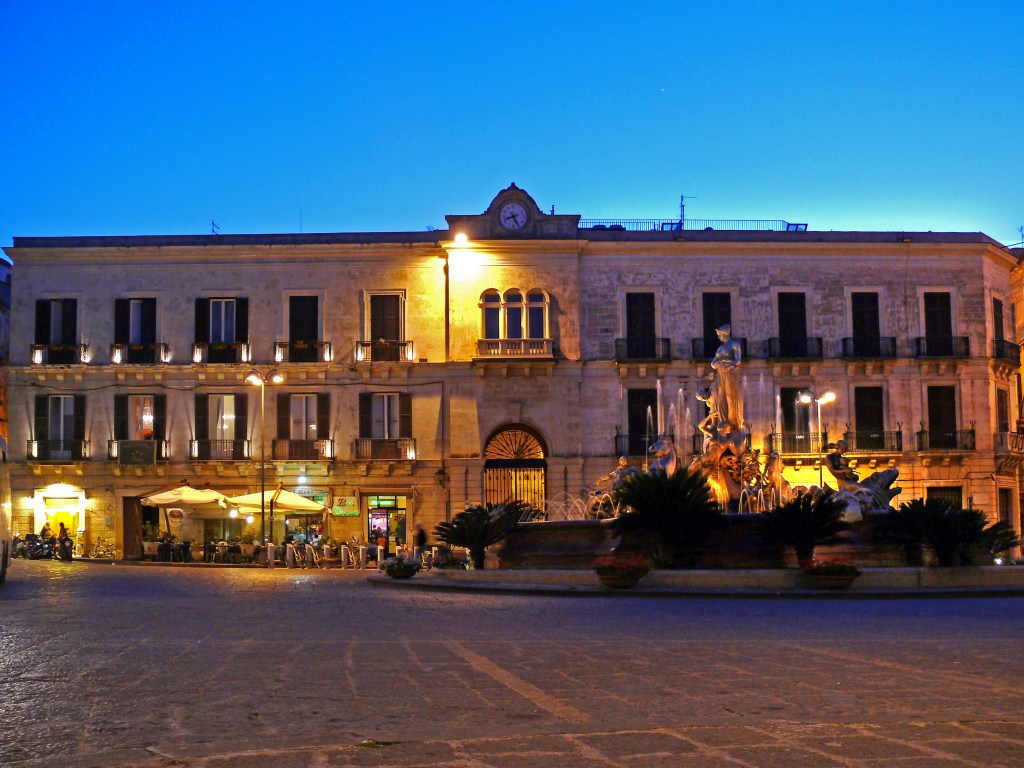
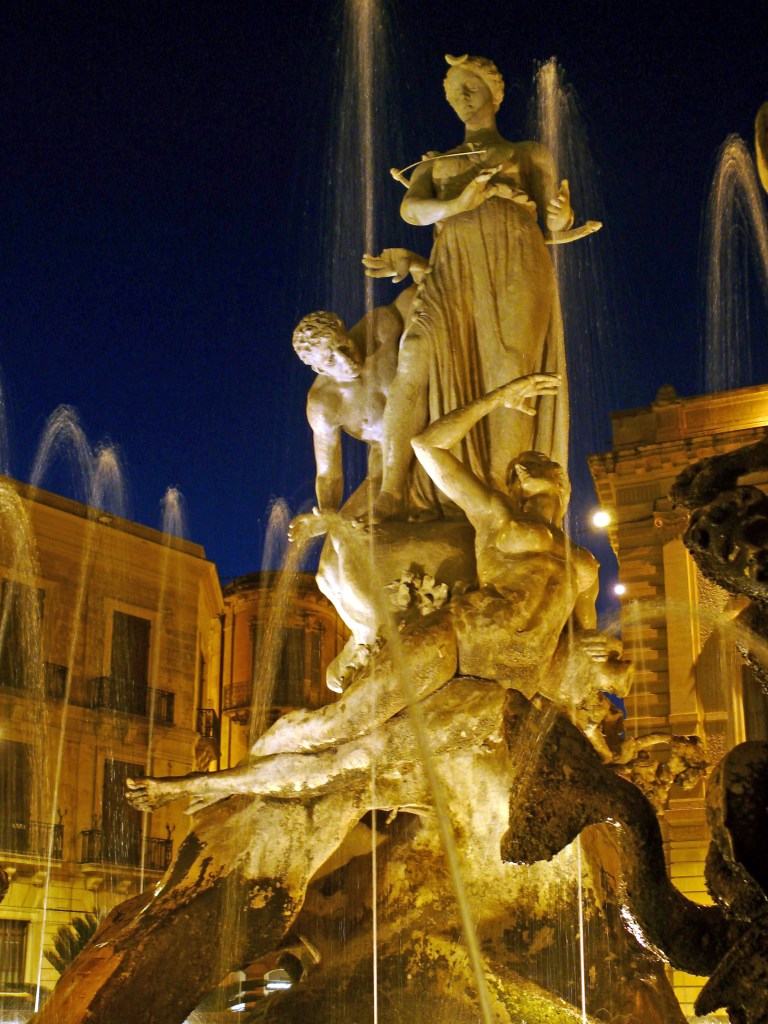
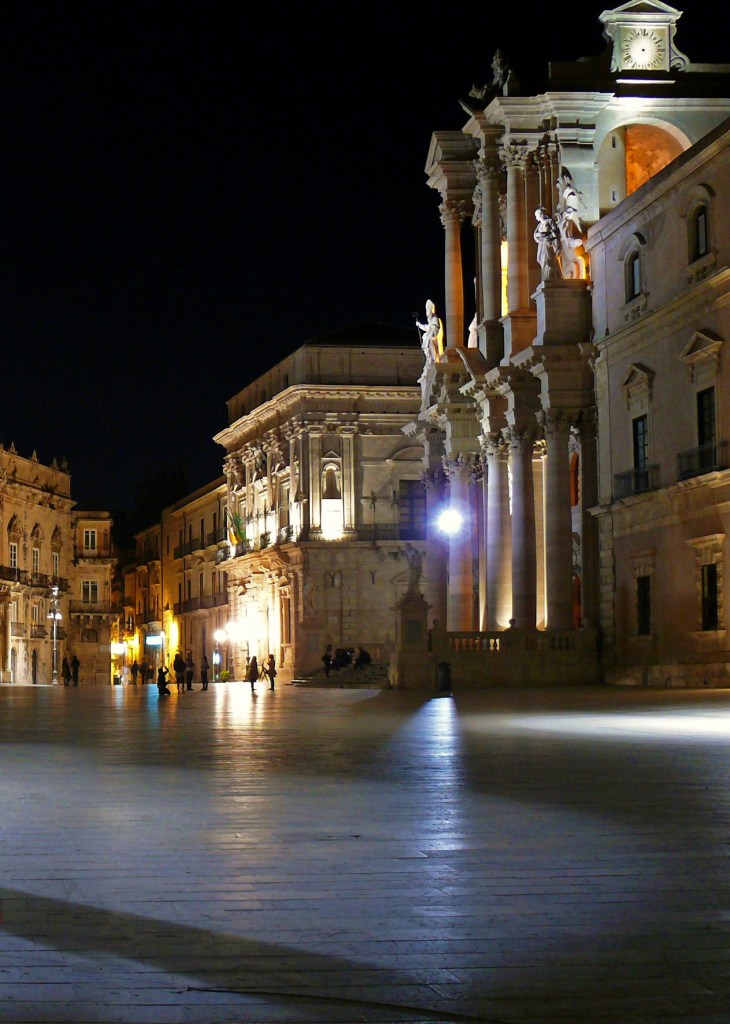

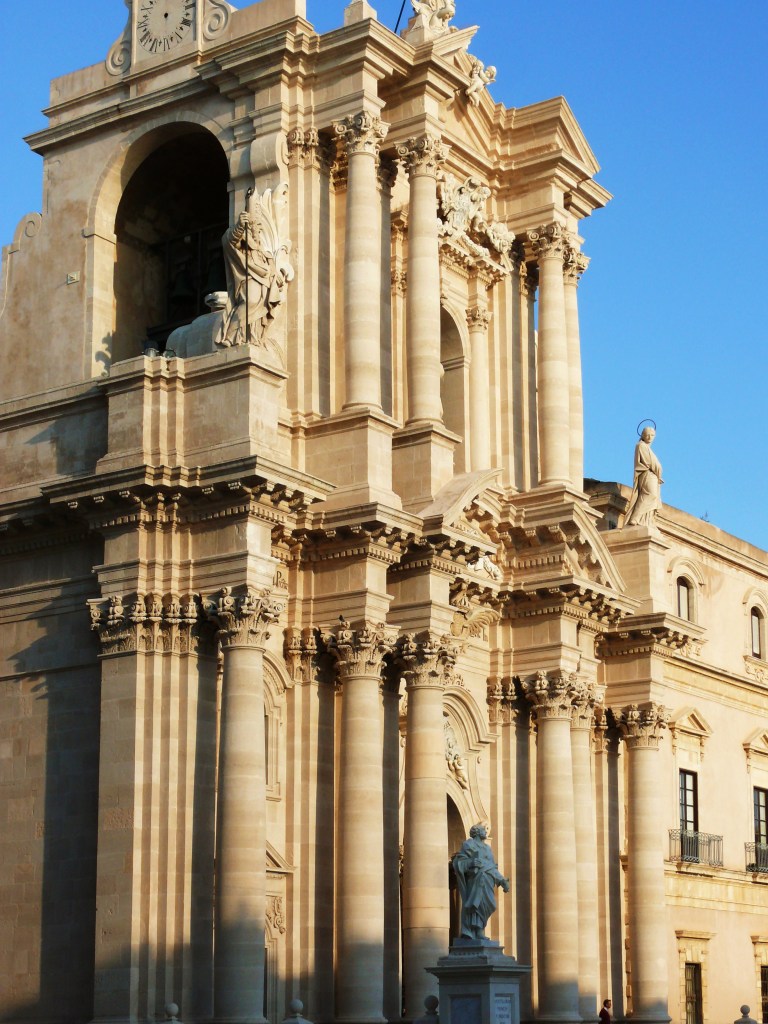
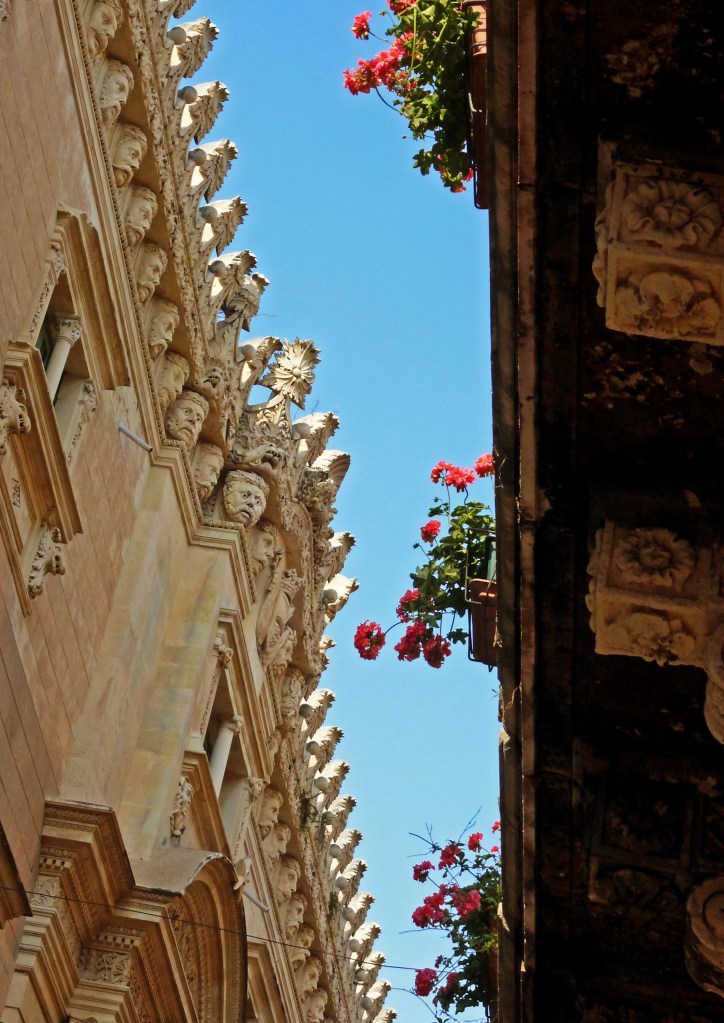
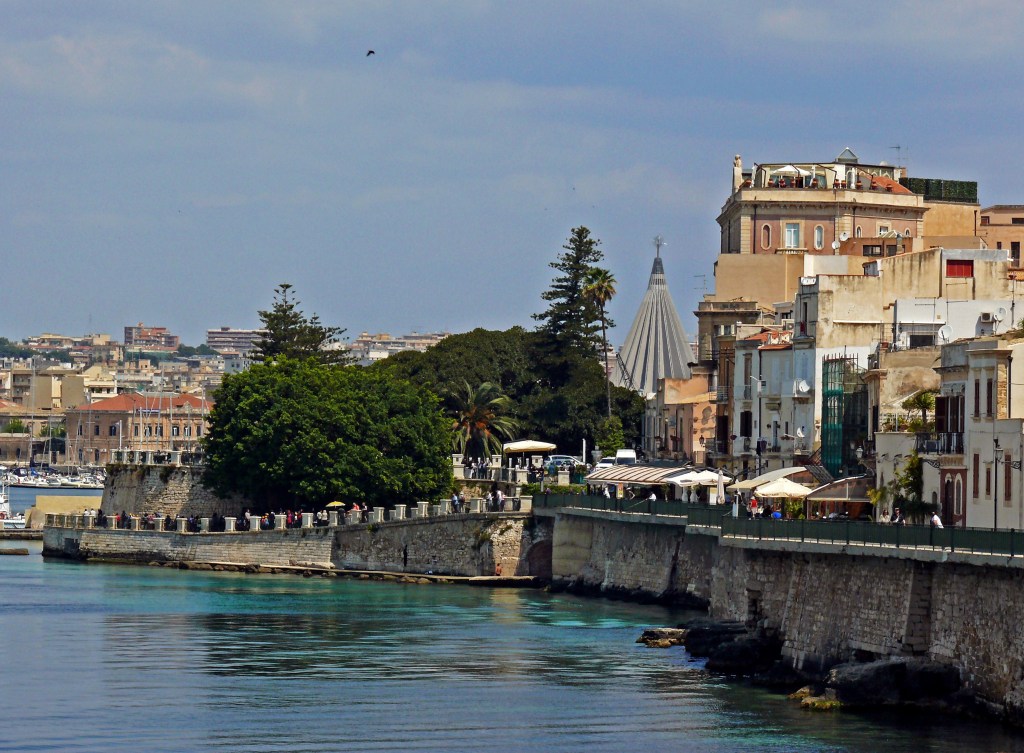

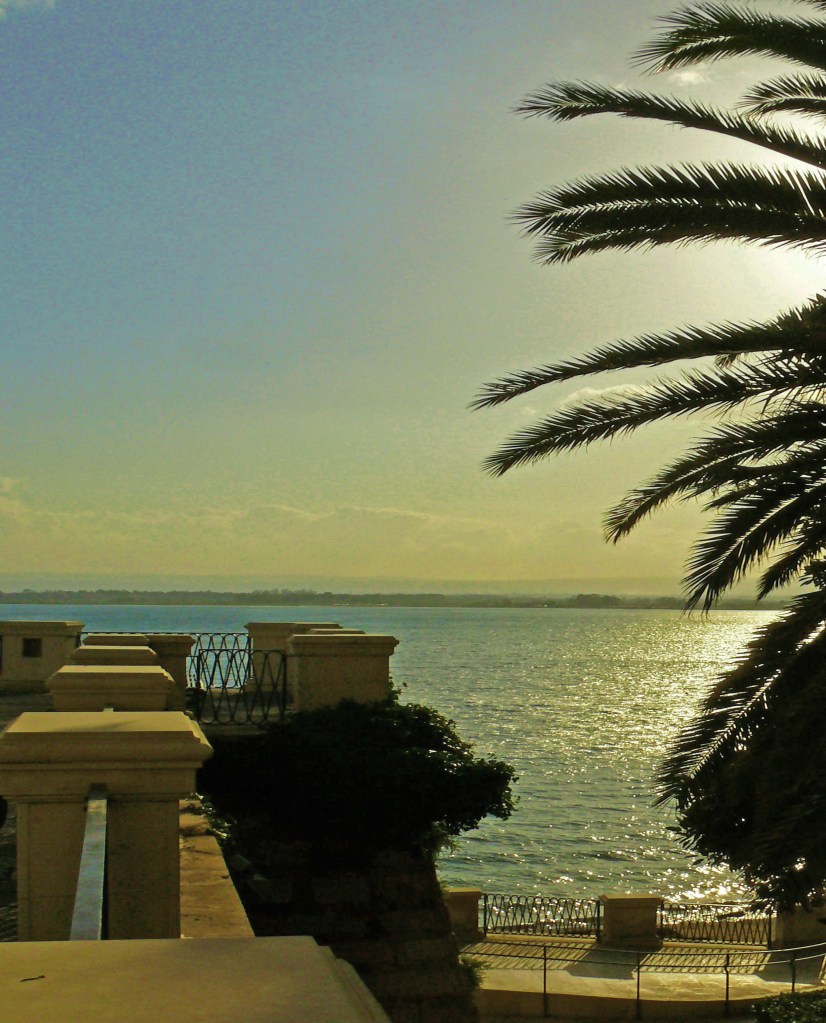
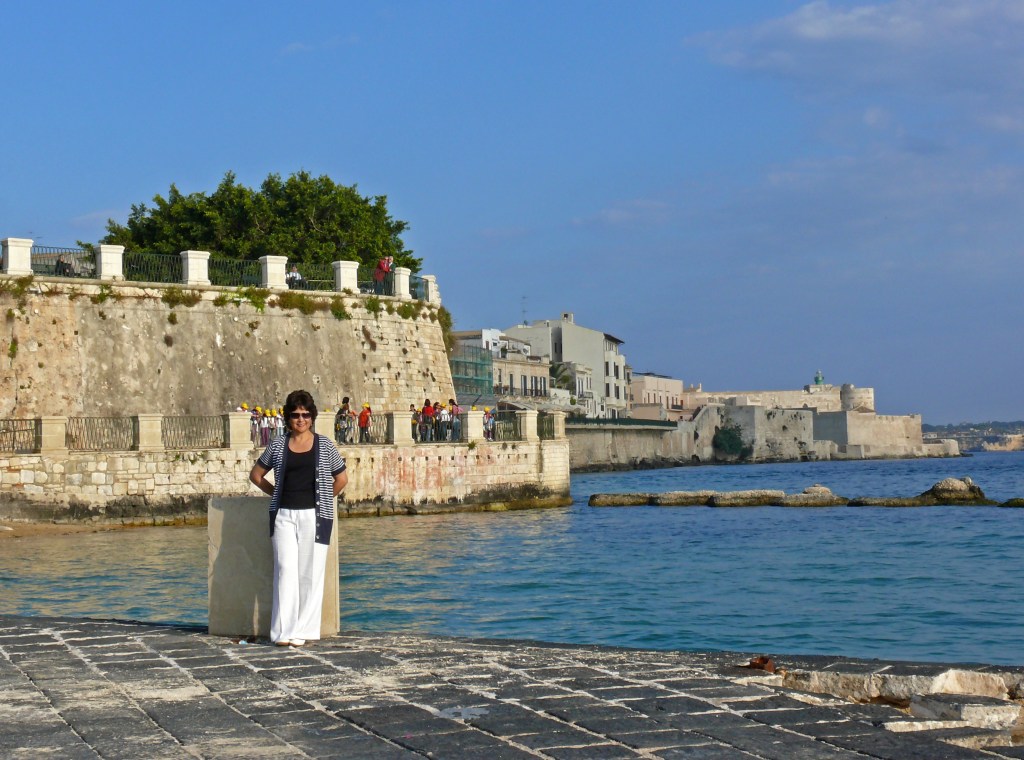
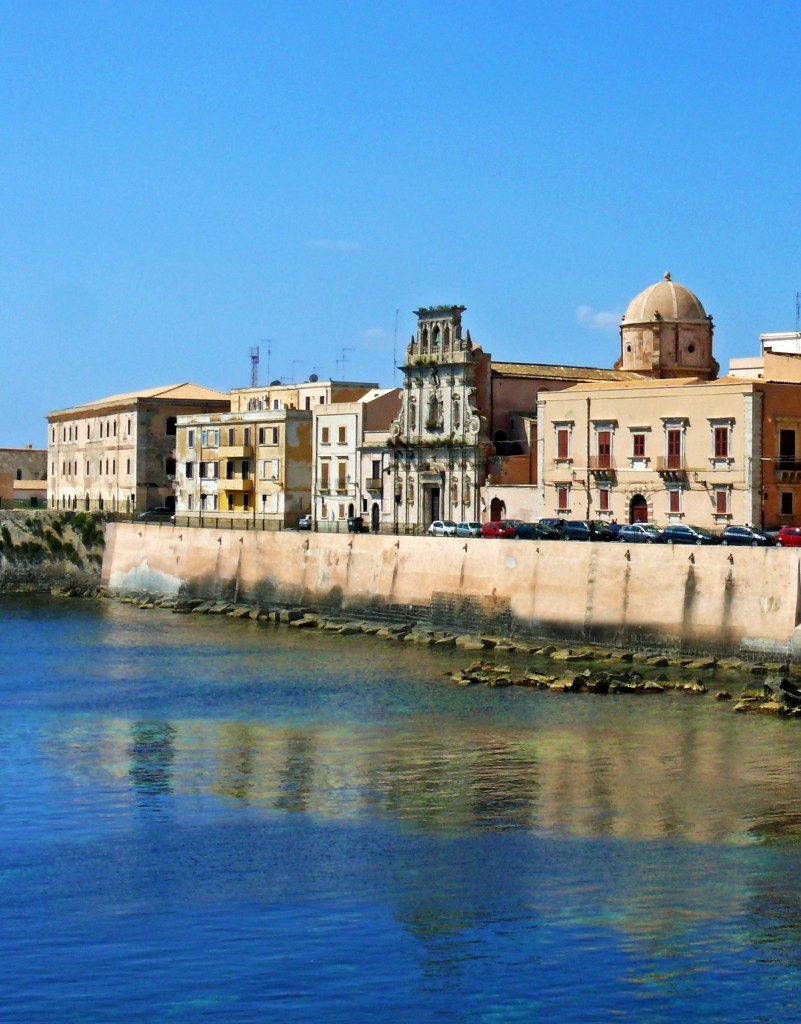
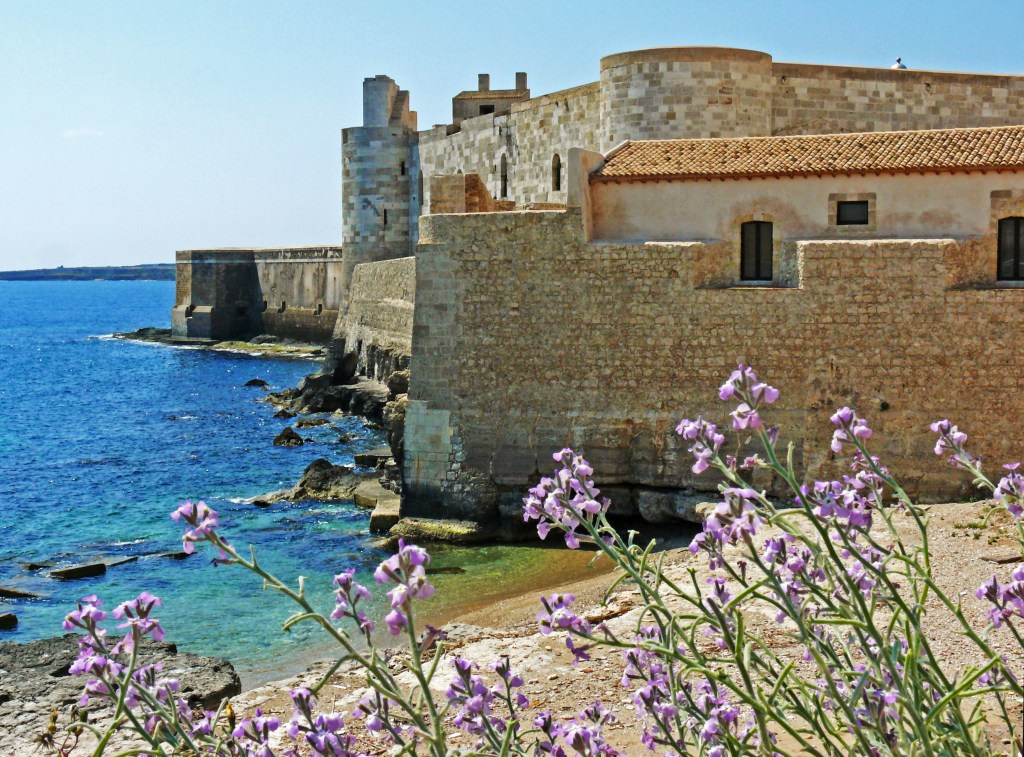
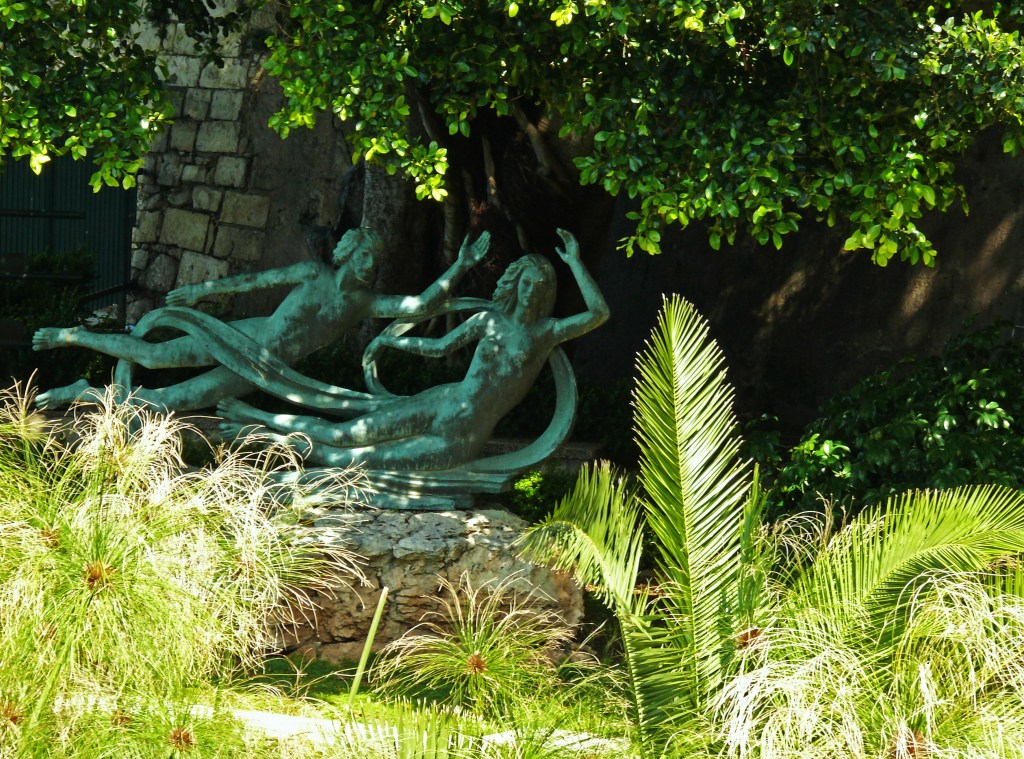
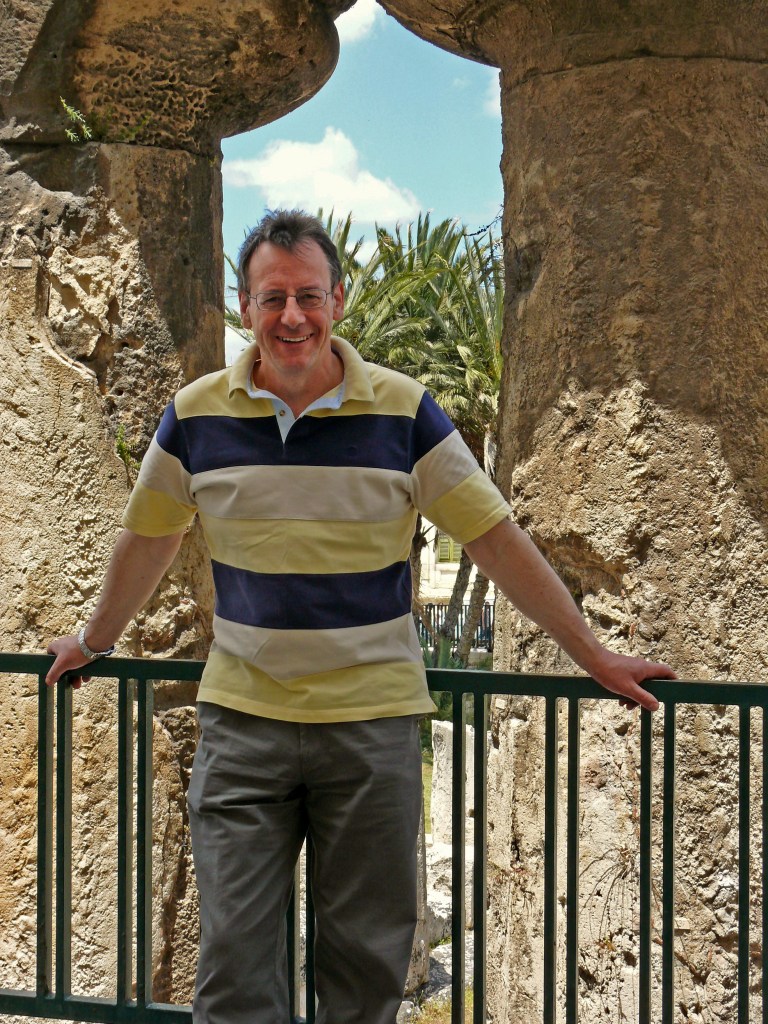
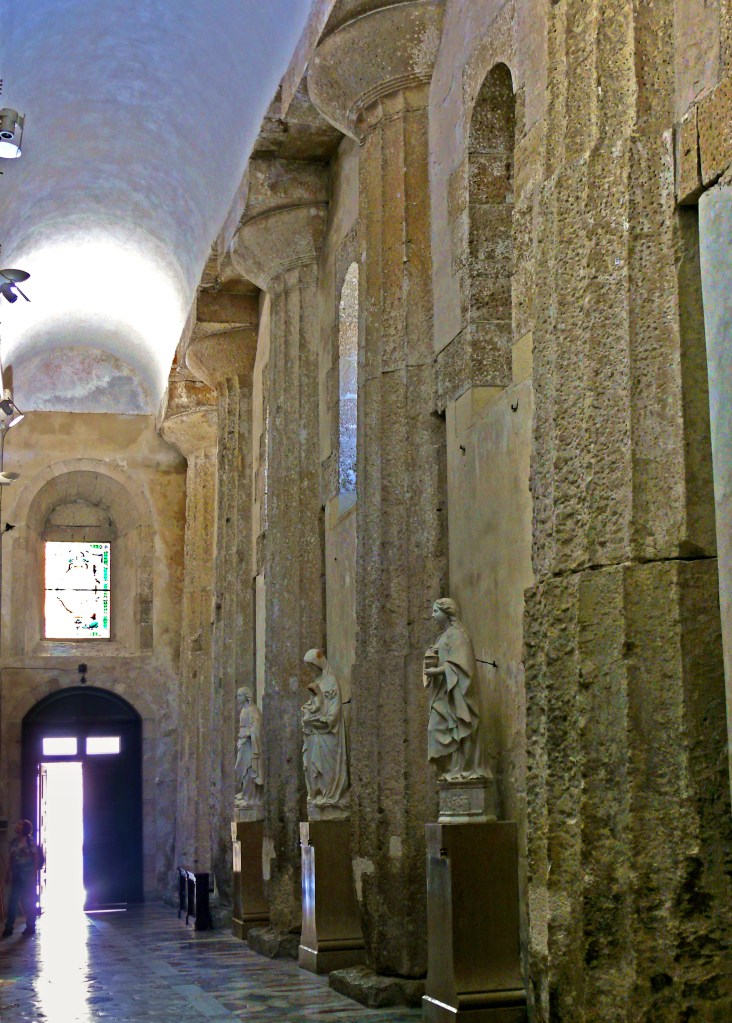
South of the main square, where the island narrows overlooking the sea, is the Fonte Arethusa associated with the ancient foundation myth of Syracuse. Here also is a promenade overlooked by a number of restaurants looking out to sea. At the southern tip of the island are the stout fortifications of Castello Manicae. On Ortygia are the remains of two classical temples. One is hidden inside the cathedral, which continues to be held up by its massive Doric columns and the second is the remains of the temple of Apollo close to the bridge connecting Ortygia with the mainland. On the mainland and inland a little is a grand classical Greek amphitheatre behind which is an impressive chasm called Ear of Dionysius, supposedly carved out of the limestone cliff by Athenian prisoners of war.


A distant from the south view of the massive Mount Etna volcano.

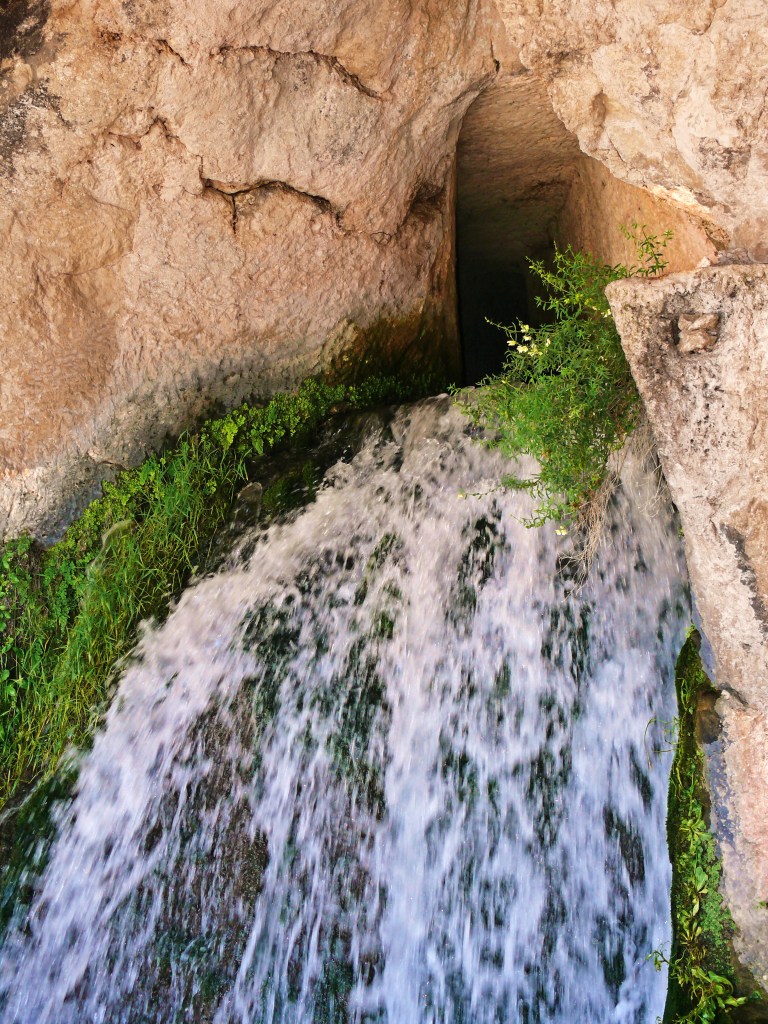
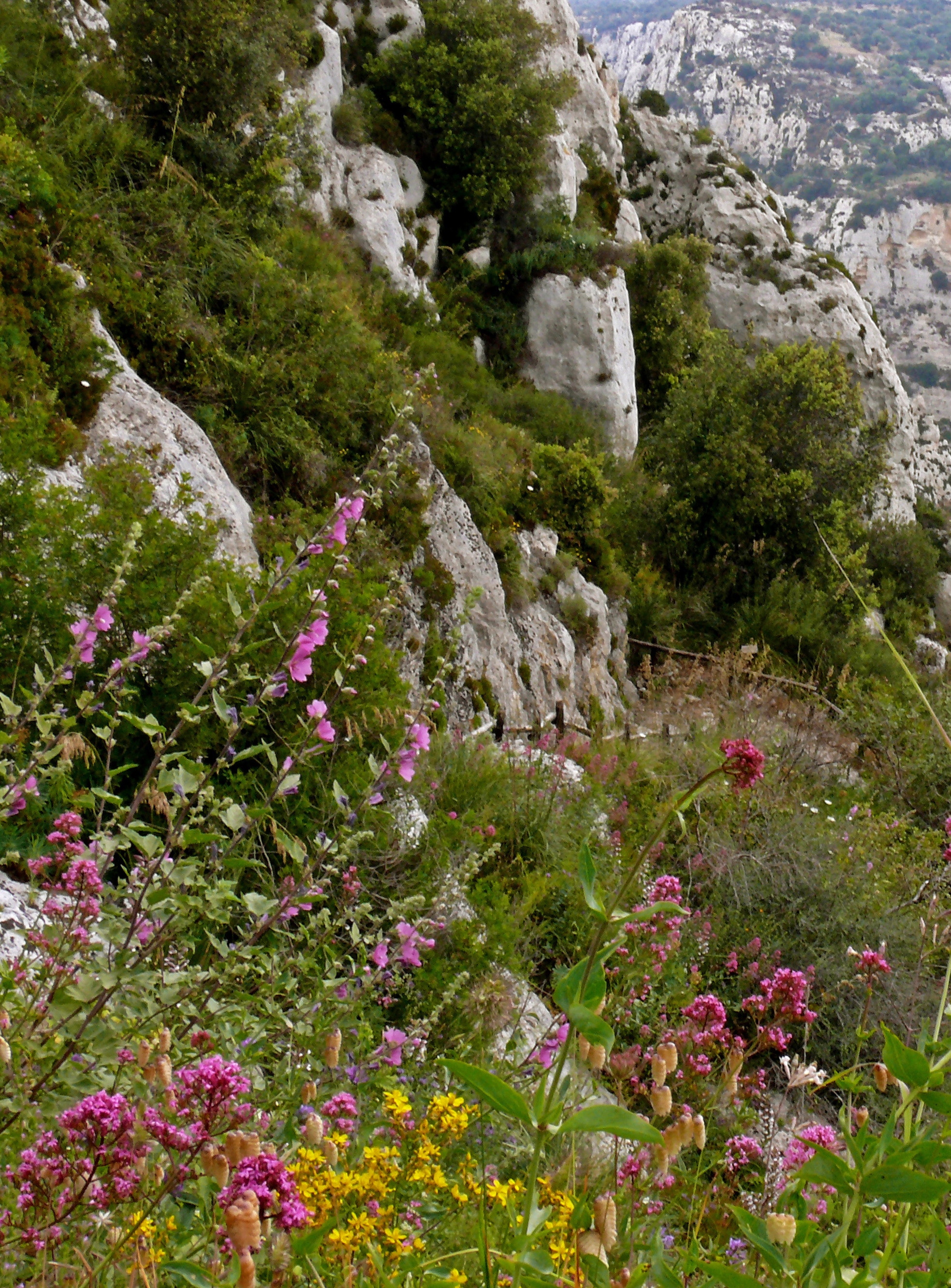
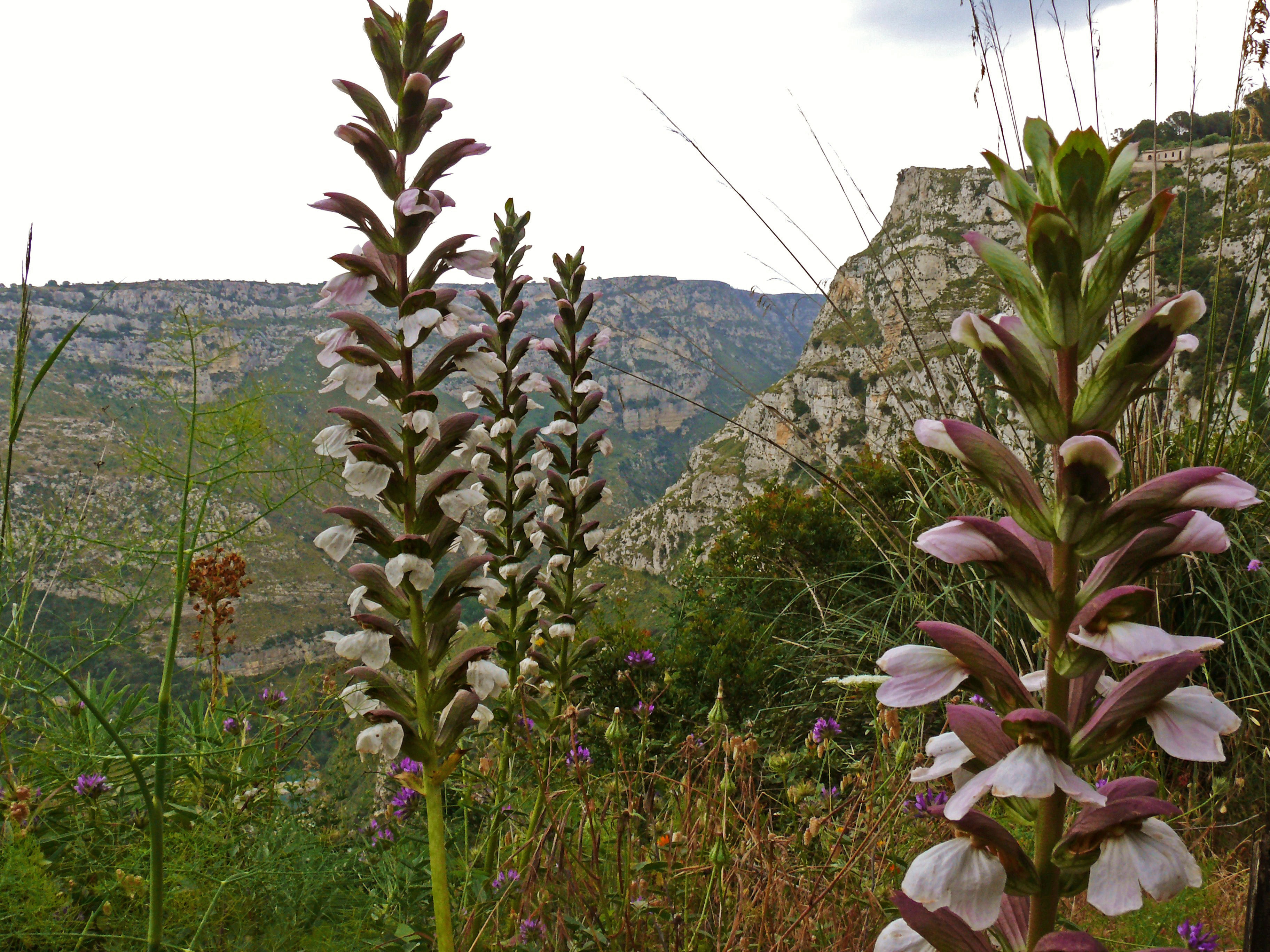
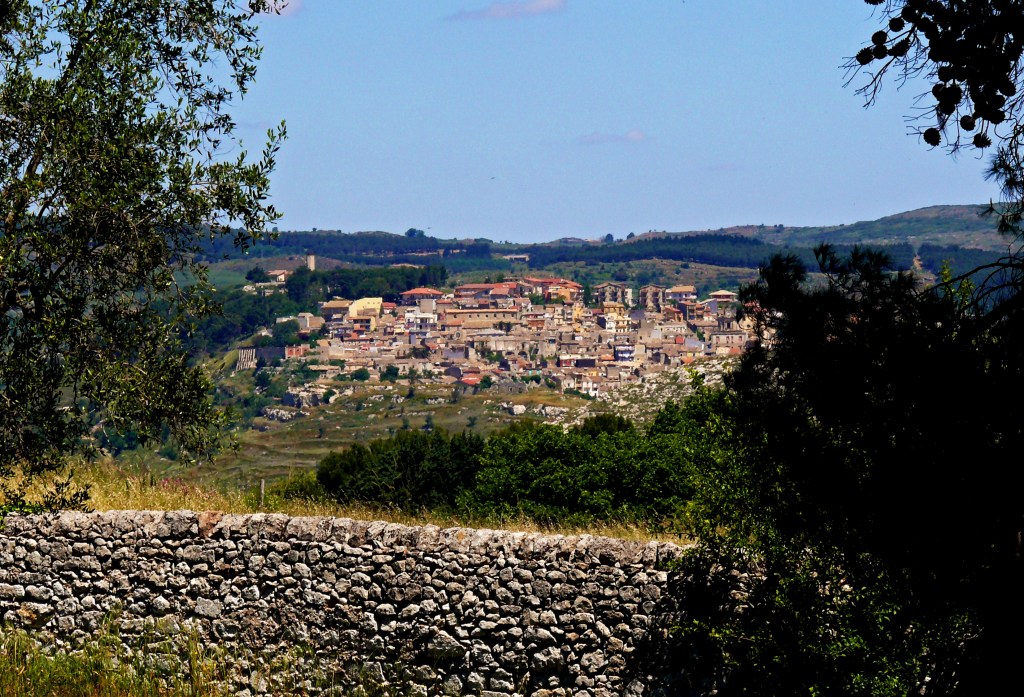
Inland from Syracuse, the land rises gradually as a plateau which is dissected by narrow valleys that cut down deep into the limestone. Pallazzolo Acrieda is the main town in this area which is overlooked by the Basilica of San Sebastian with its fine facade. Further south, nearer Noto is the deep gorge of Cavagrande del Cassibile, through which a small river of white water rapids spills over rock ledges into a series of dark pools.




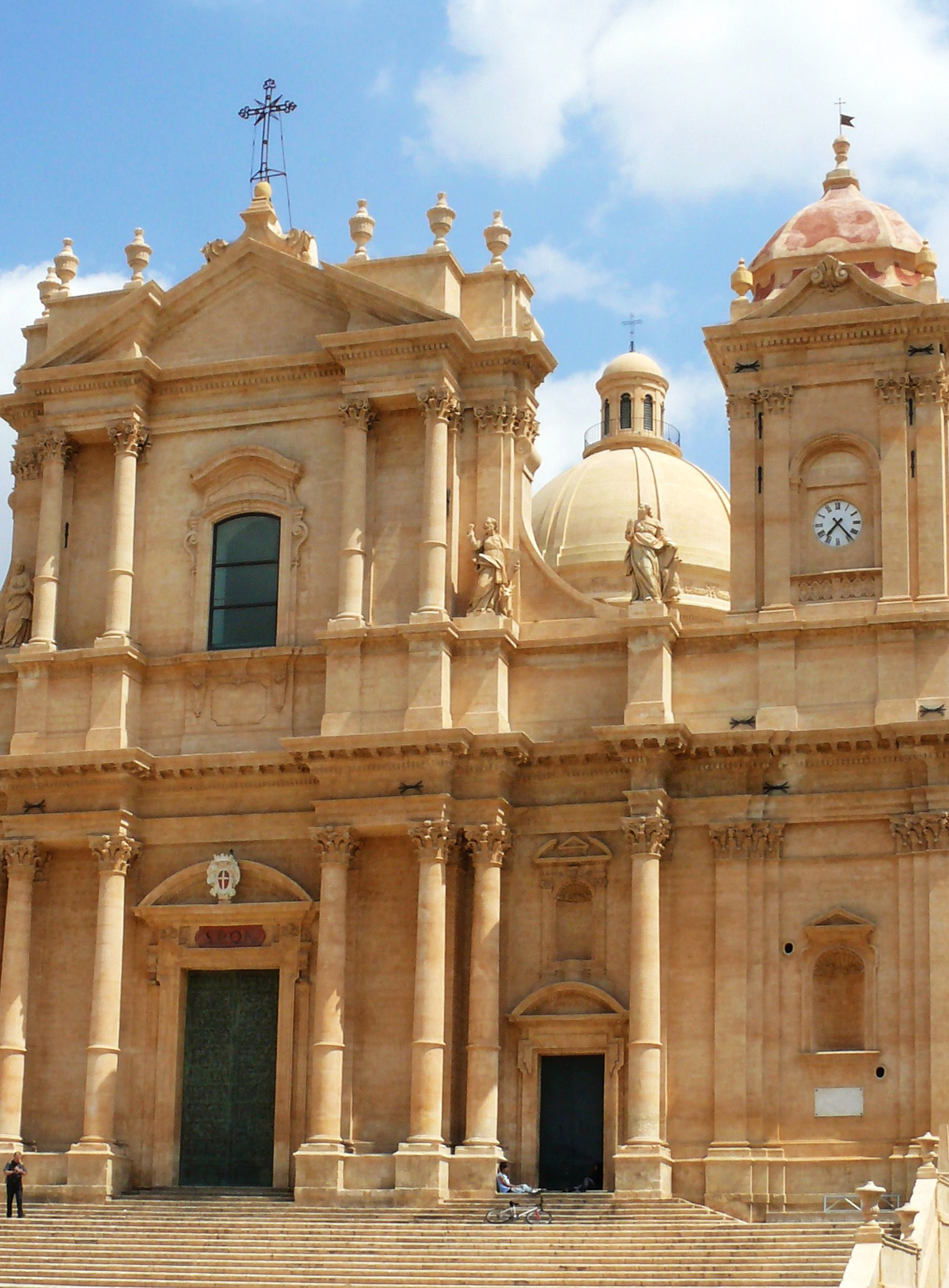
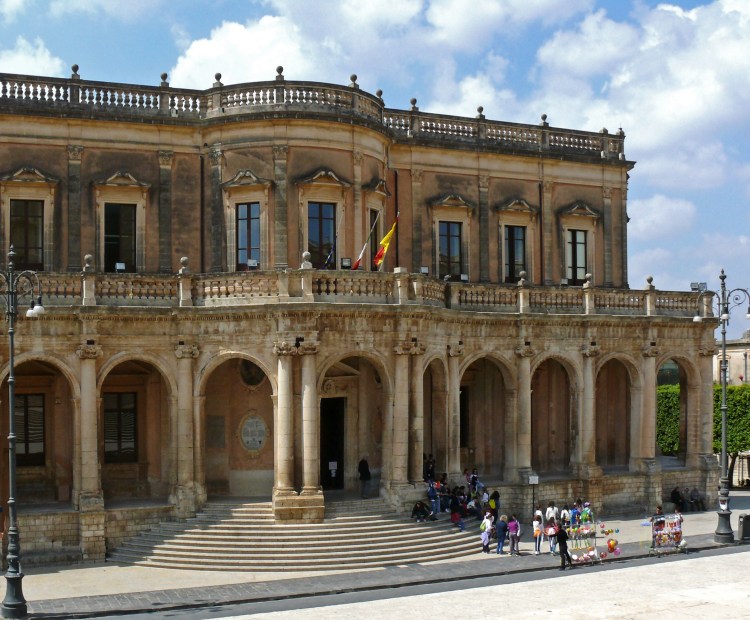
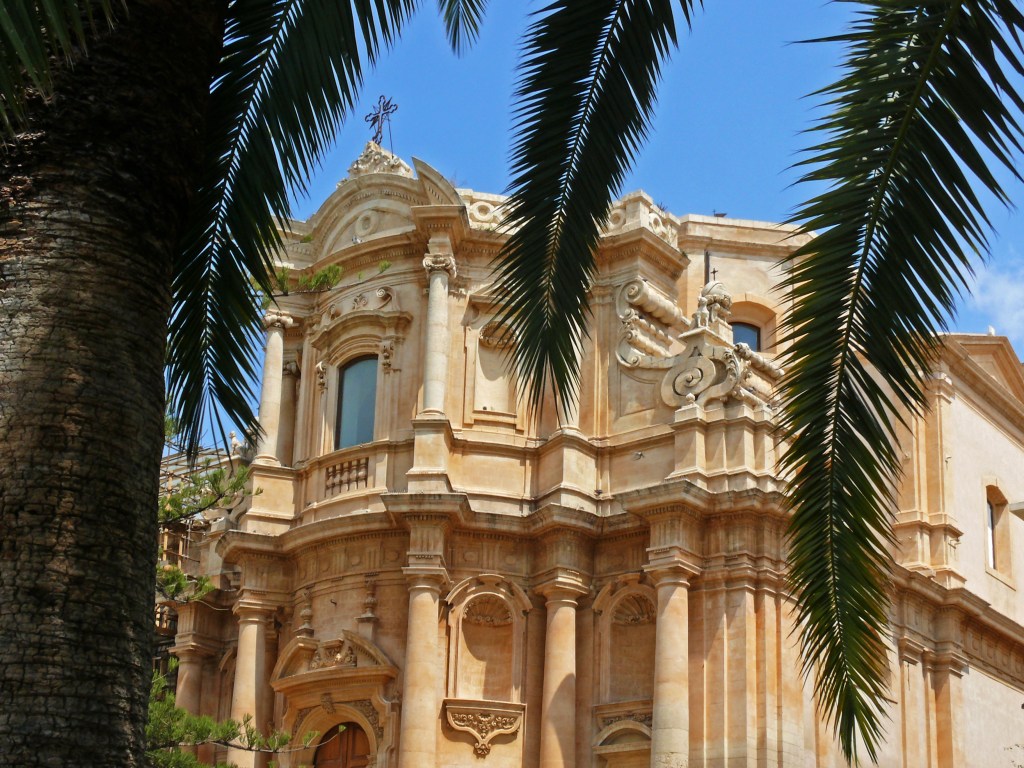
The small town of Noto, which, despite its size, boasts a number of fine examples of fine baroque architecture built in the early eighteenth century that have been recently renovated. They date from a time when the town was rebuilt after its destruction by a devastating earthquake, which affected much of this corner of Sicily.

Malta and Gozo 1982 and 2022
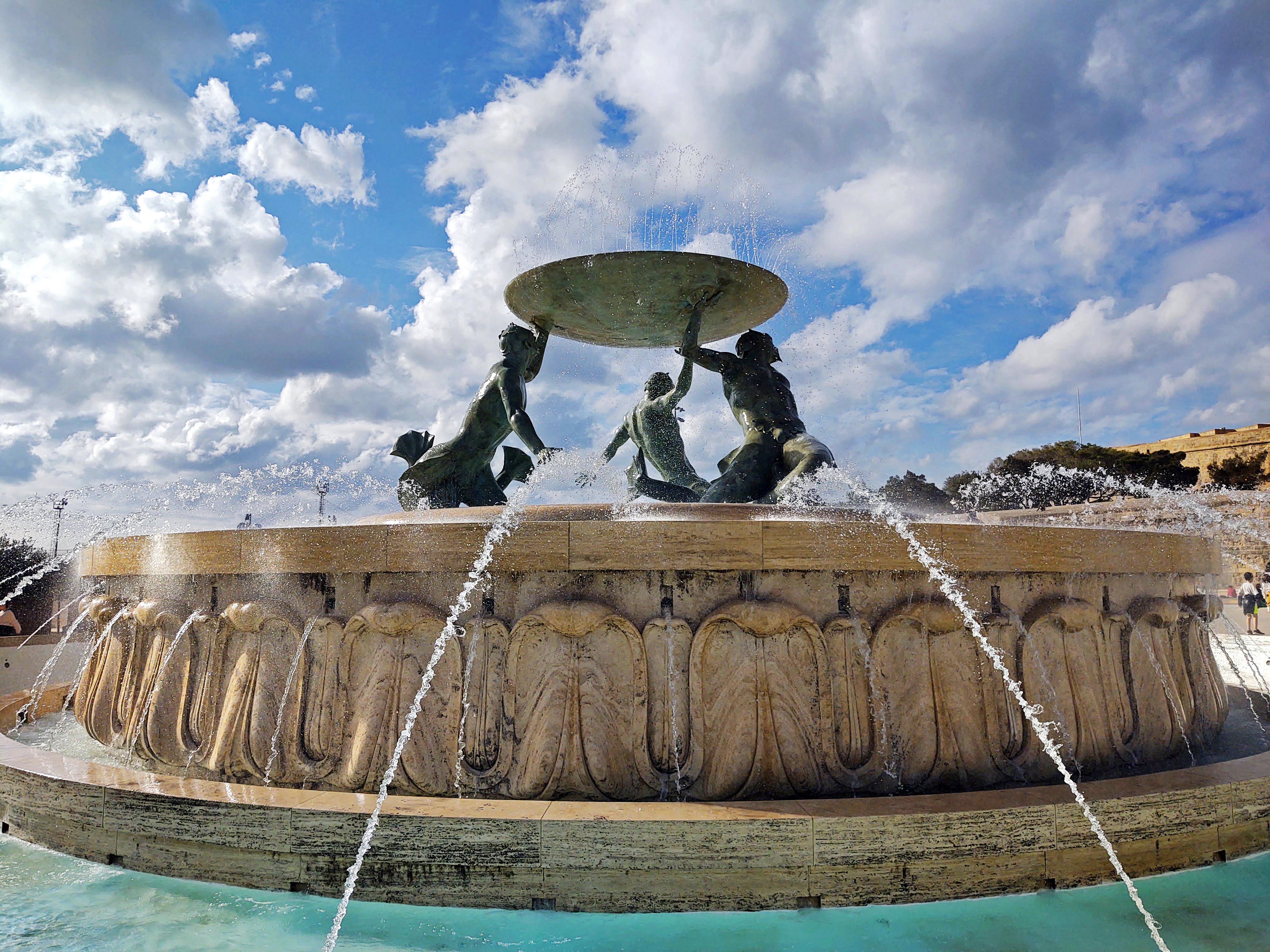
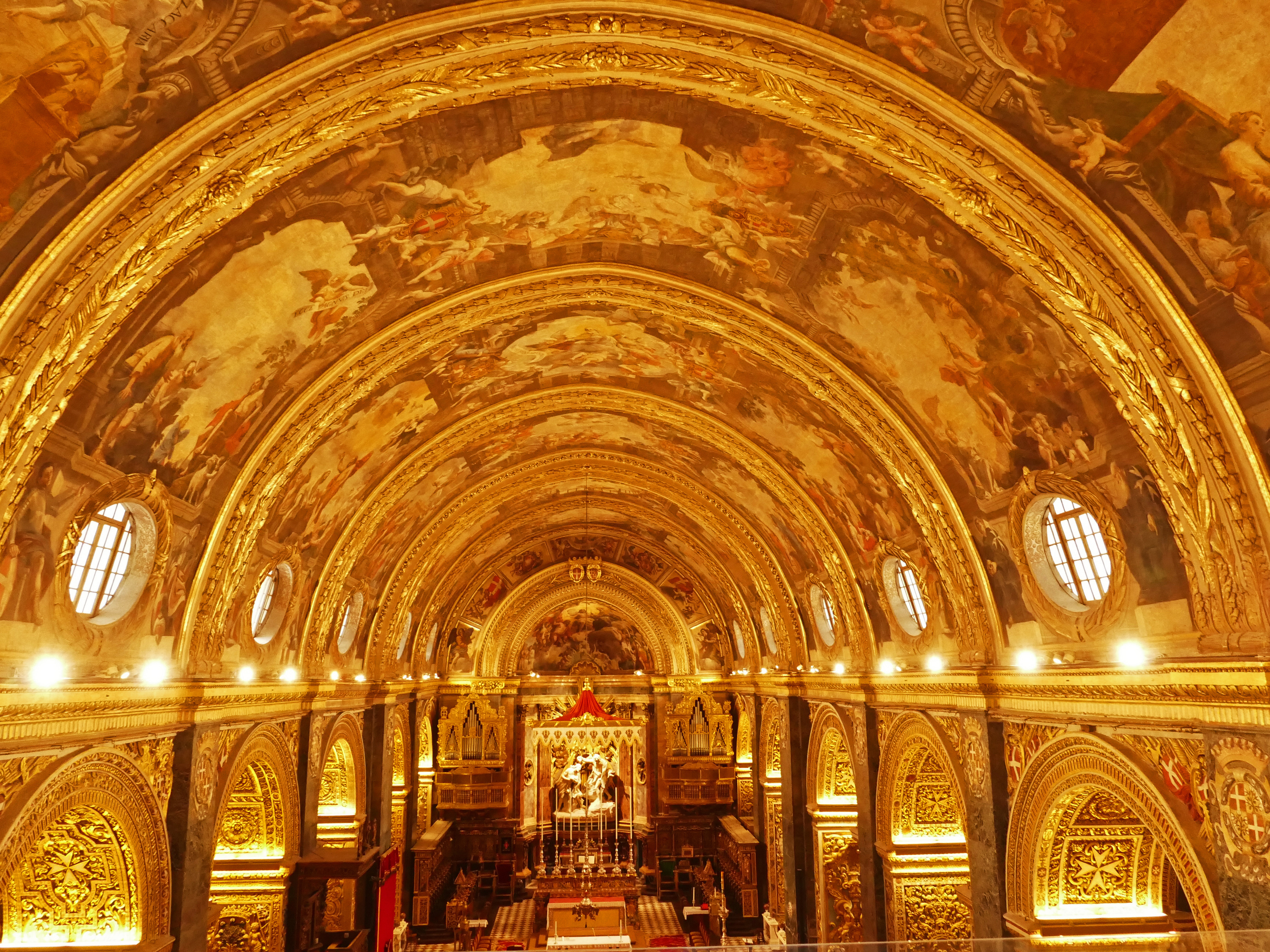
Although Malta is not hilly, Valletta was built on a narrow ridge overlooking the Grand Harbour. Together, this allowed for the perfect site to build a heavily fortified port across a deep water inlet strategically positioned in the centre of the Mediterranean. It also means that the roads within the fortifications on both sides of the harbour are narrow and hilly but overlooked by many fine historic buildings. In Valletta is the lavish St John’s Cathedral, The domed church of St Augustines and the extensive Grand Master’s Palace. Across the harbour in Birgu, there is St Lawrence catholic church, the Inquisitor’s Palace and casino. Across a narrow inlet cluttered with yachts and launches is Senglea with its basilica, where views down the narrow, steep streets lead down to the water and offer fine views across the water back to Birgu.
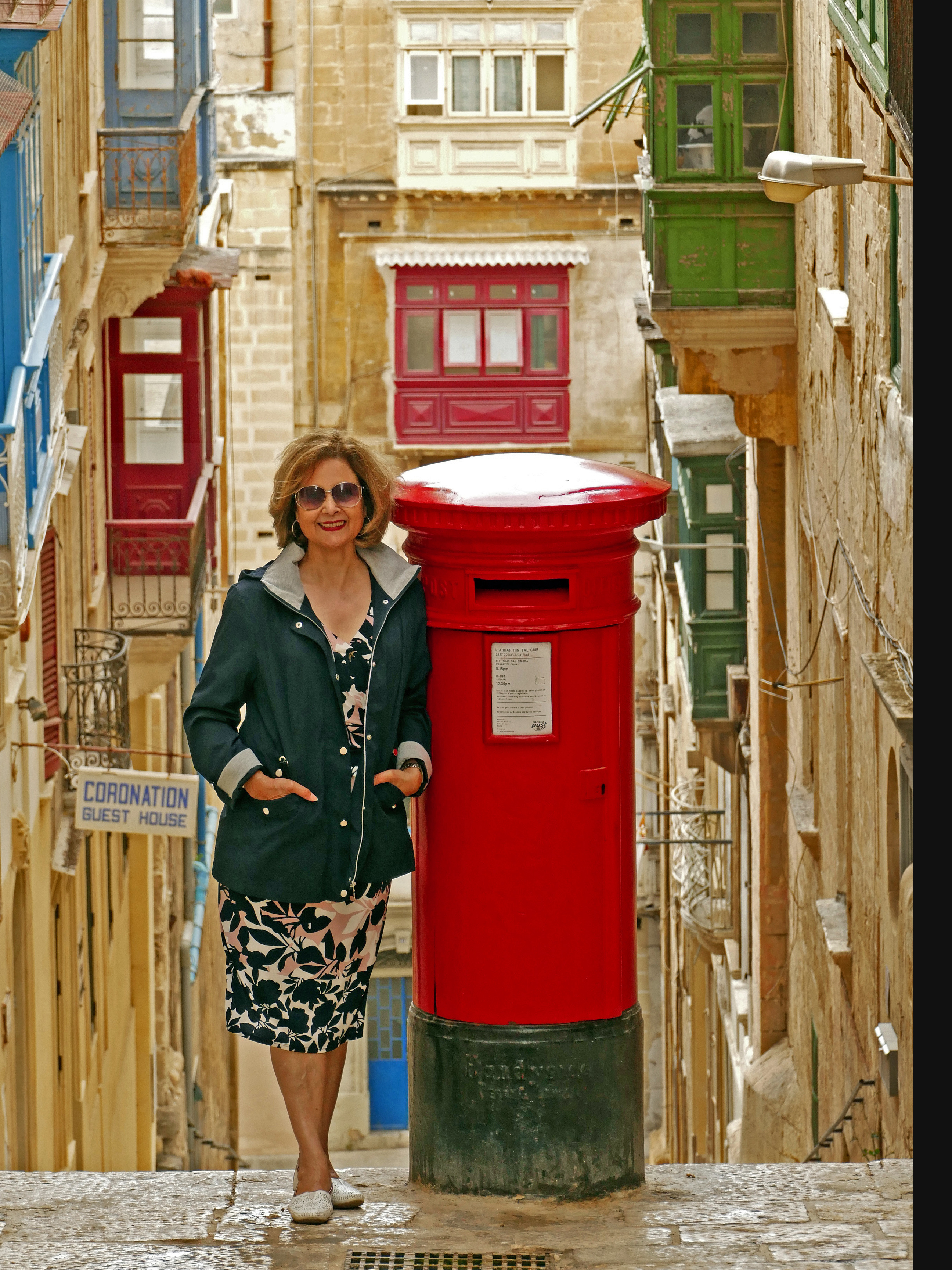
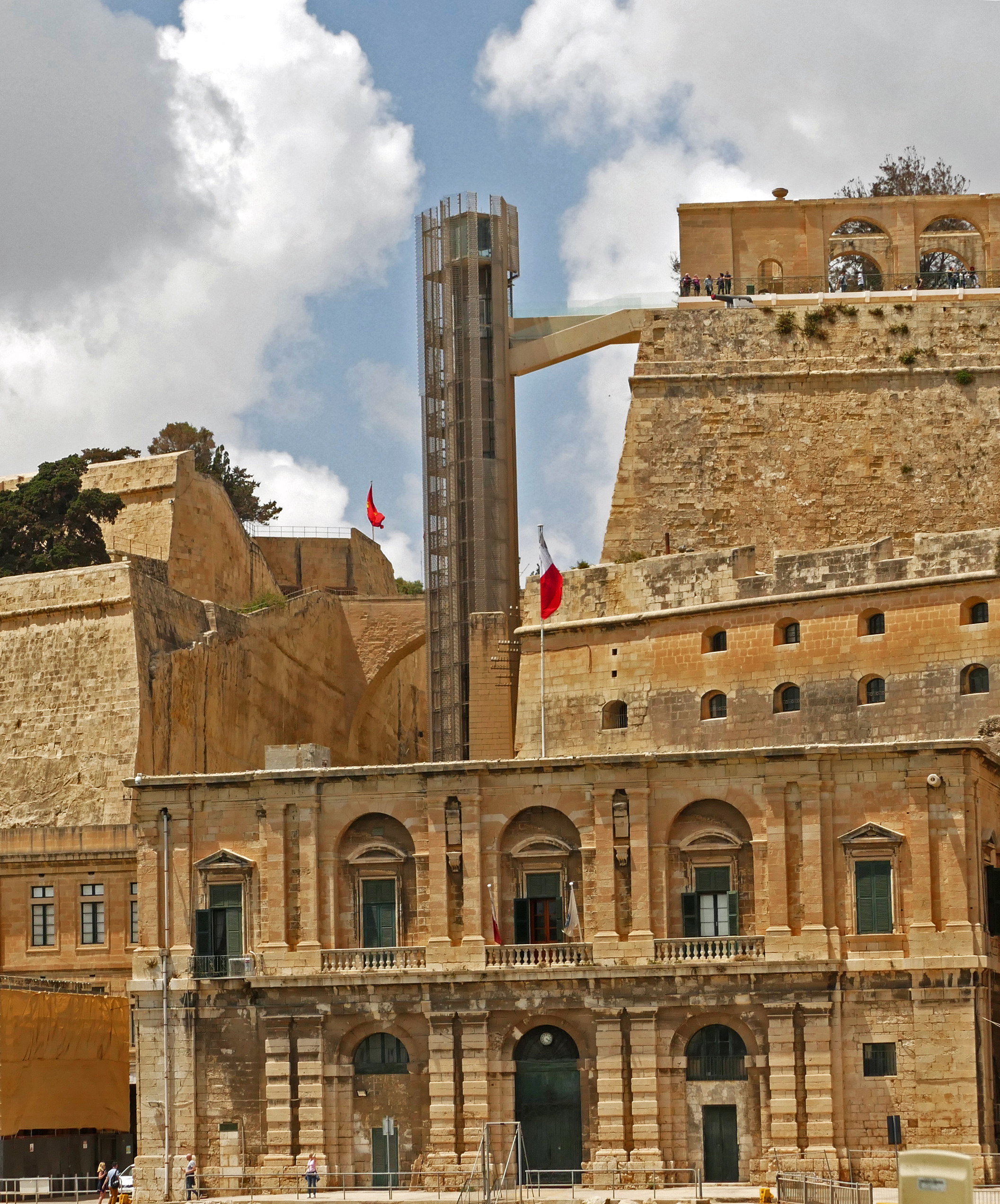
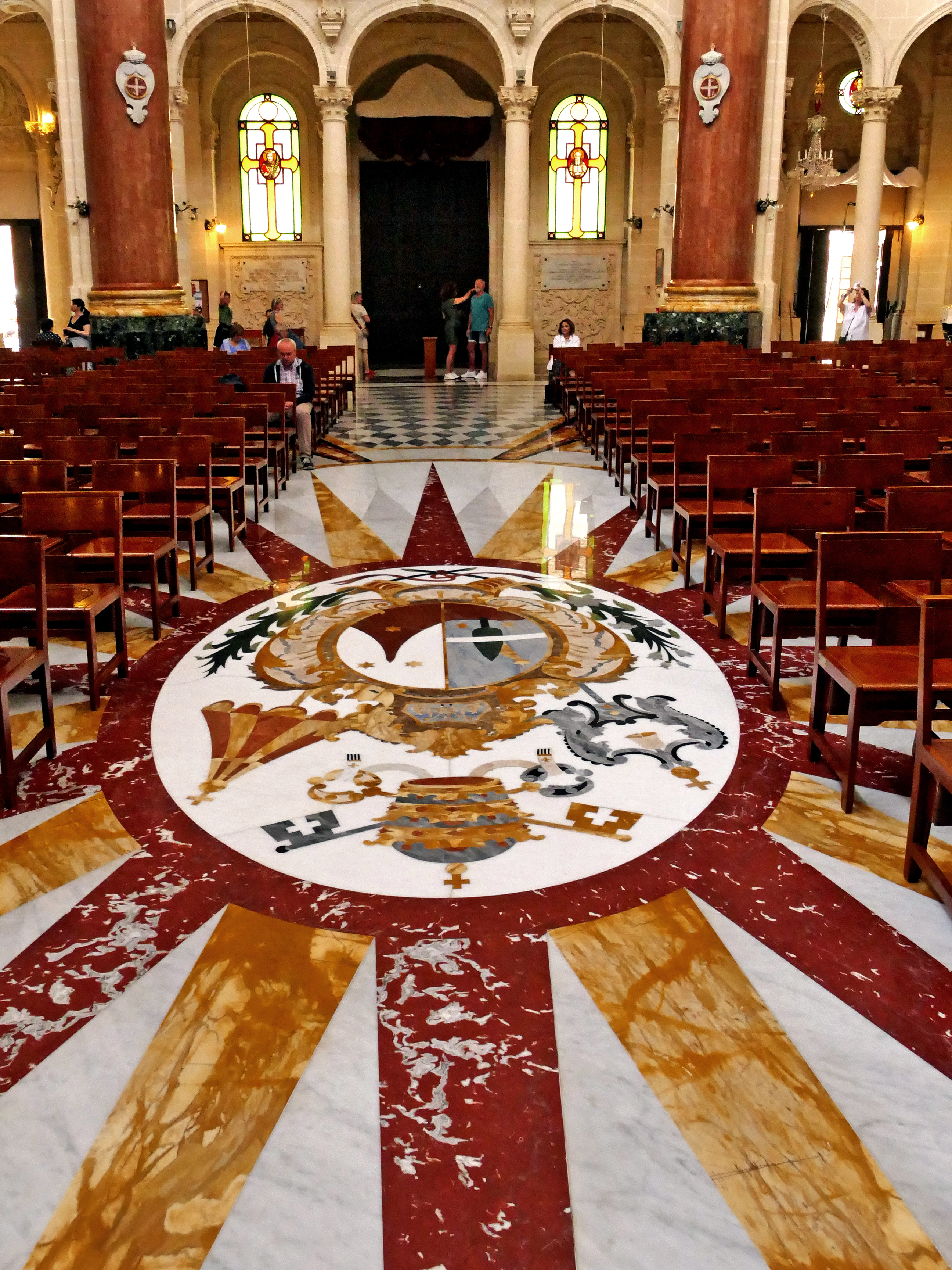


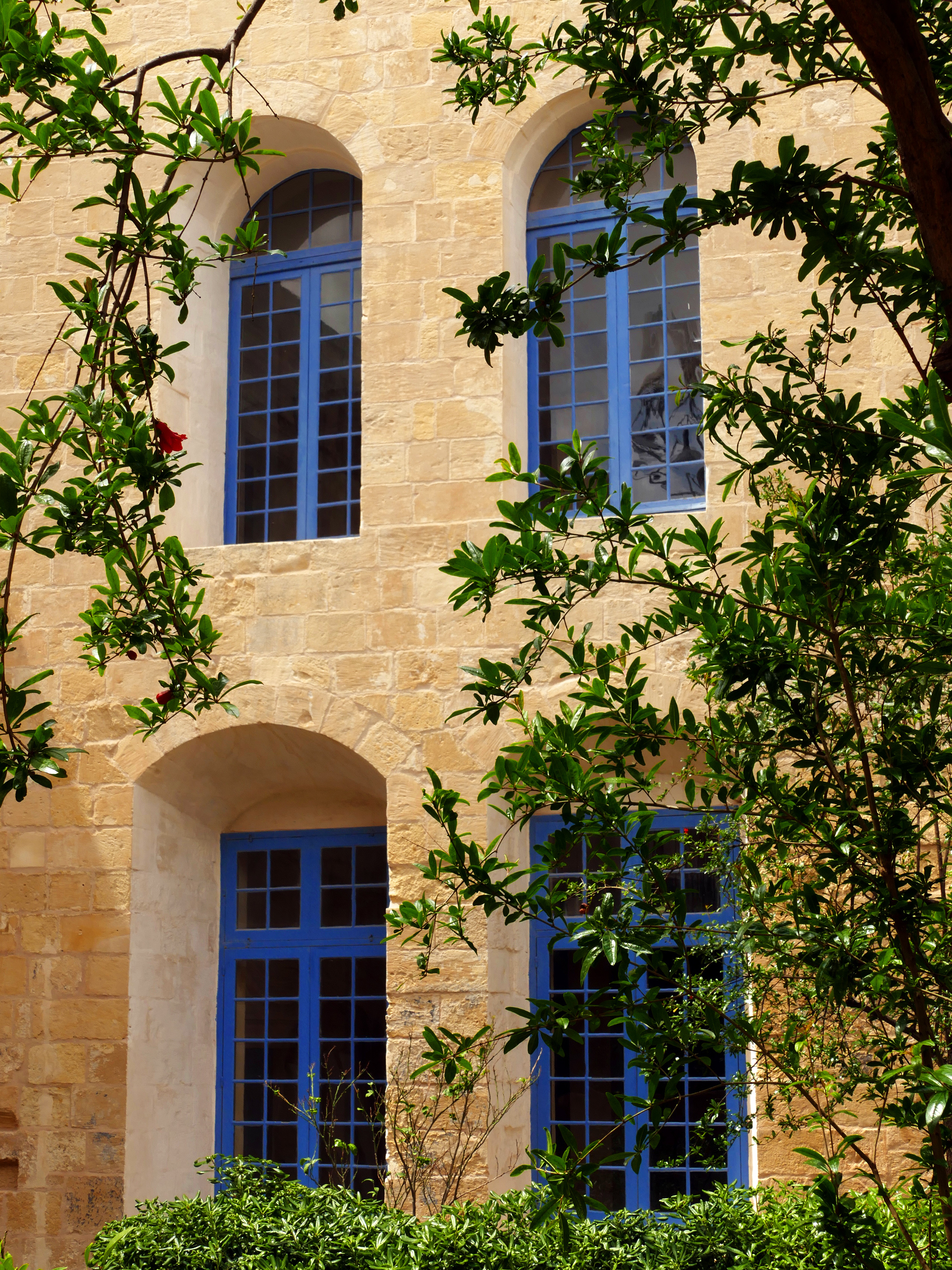
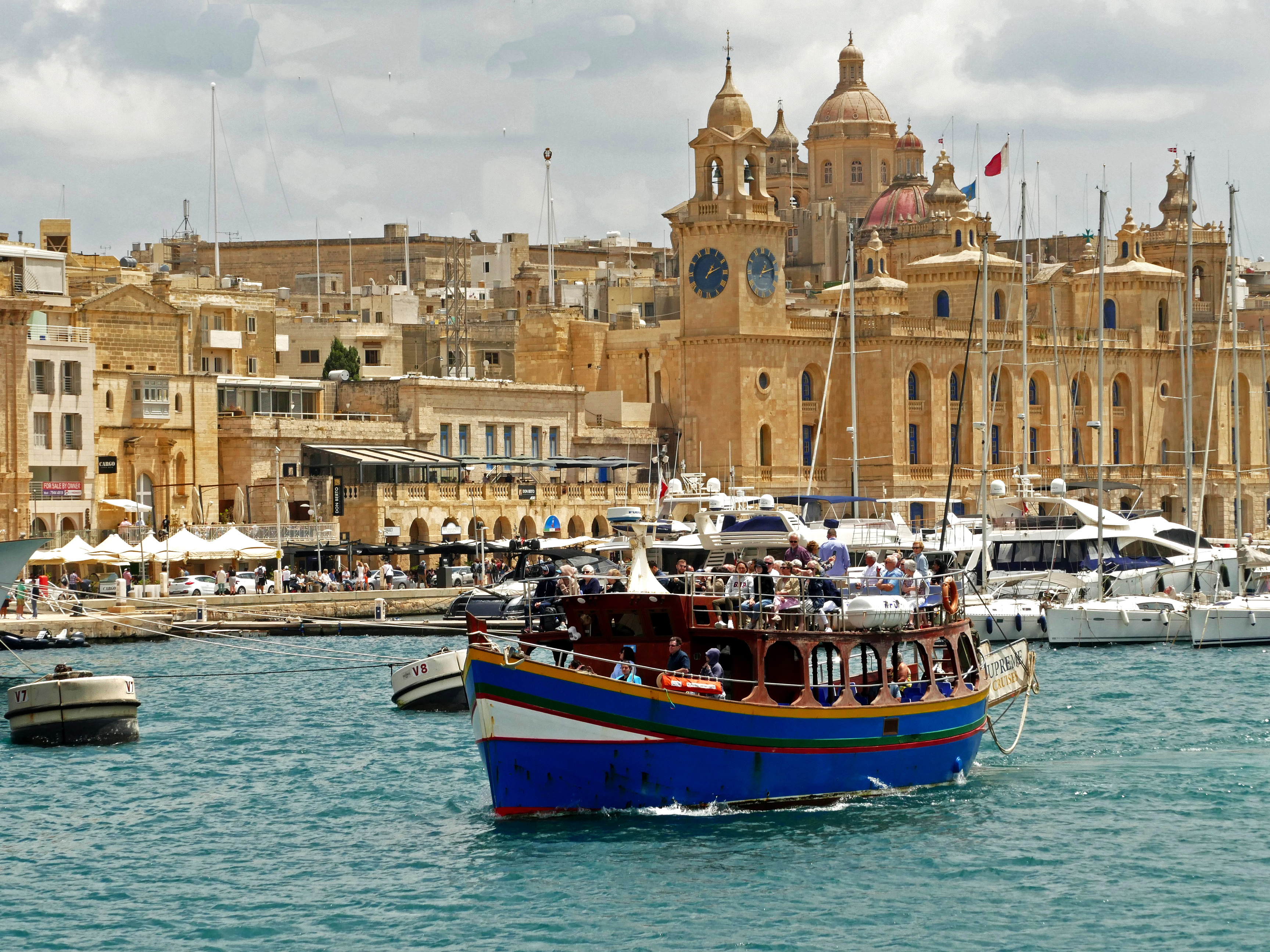
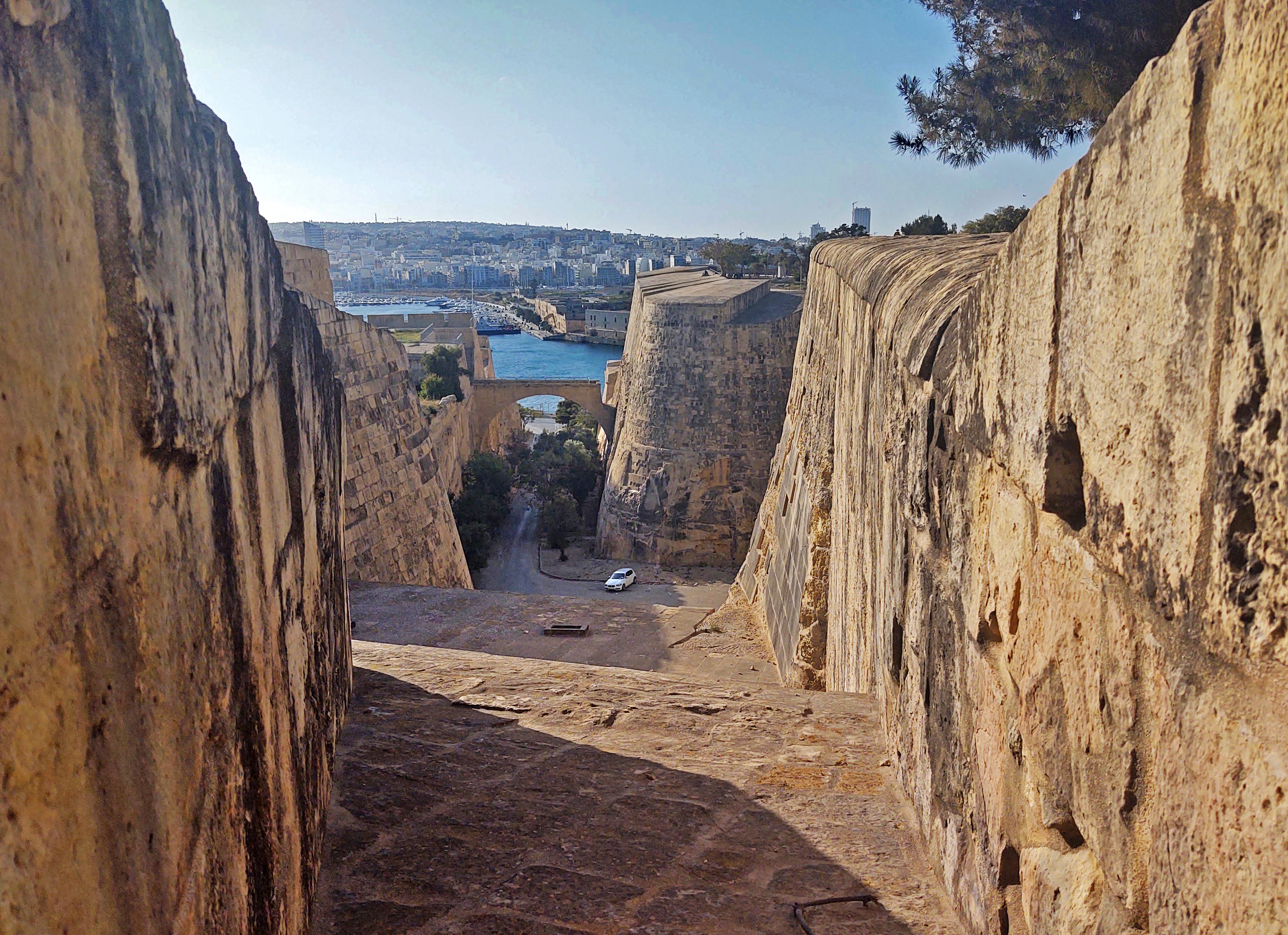
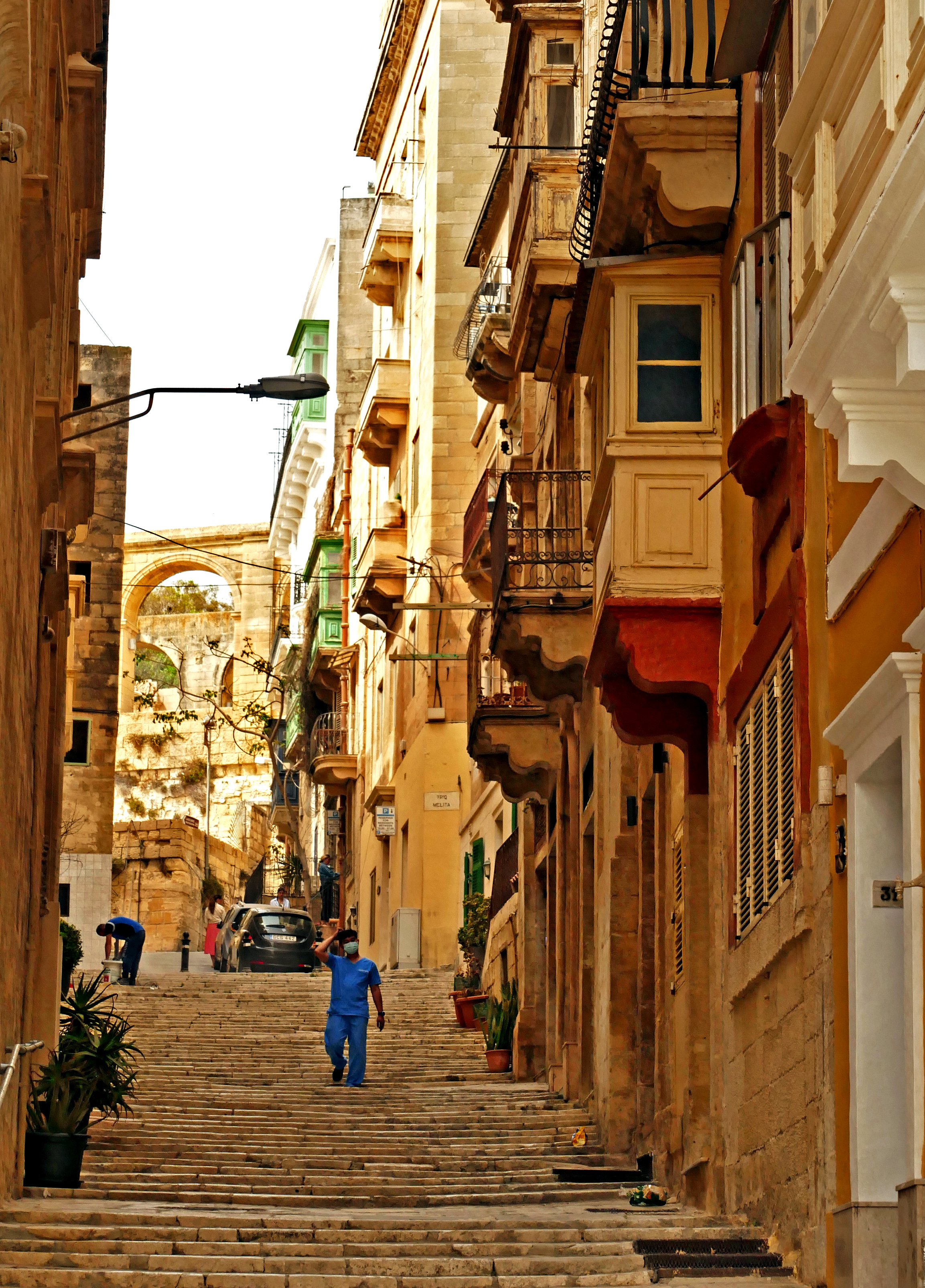
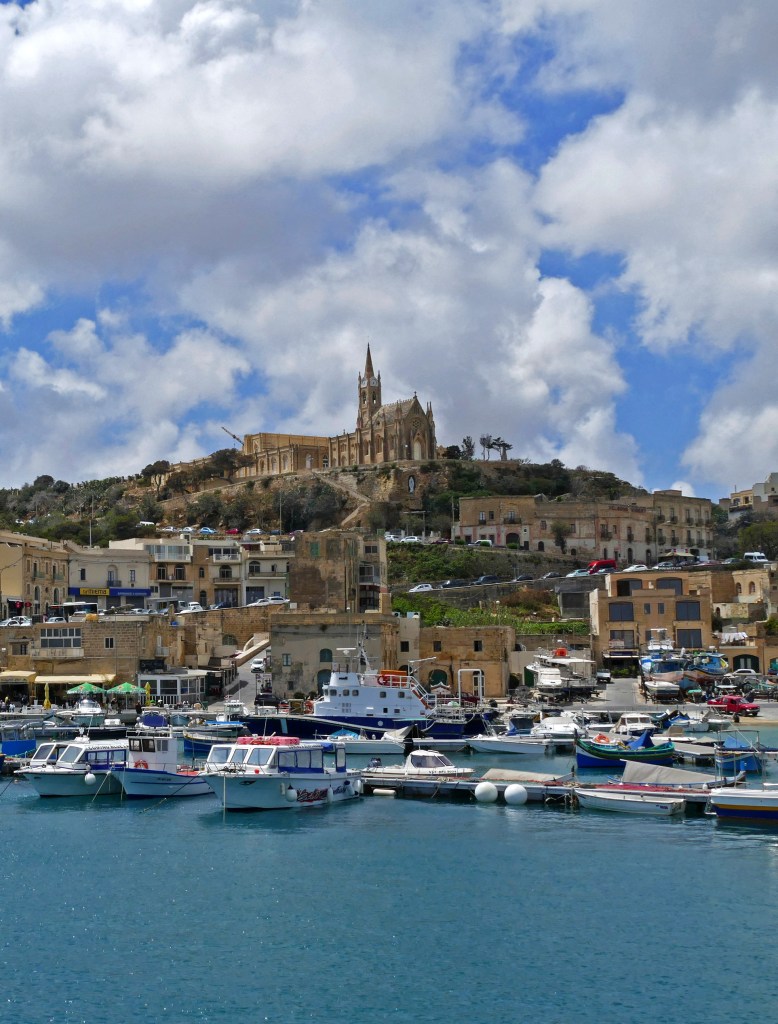
From the Grand Harbour is a fast ferry to the quieter island of Gozo. It docks at Mgarr Harbour from where there is a straight road up to Victoria/Rabat. Here, the cathedral is set on a high point surrounded by fortifications, which afford fine views around the small island.
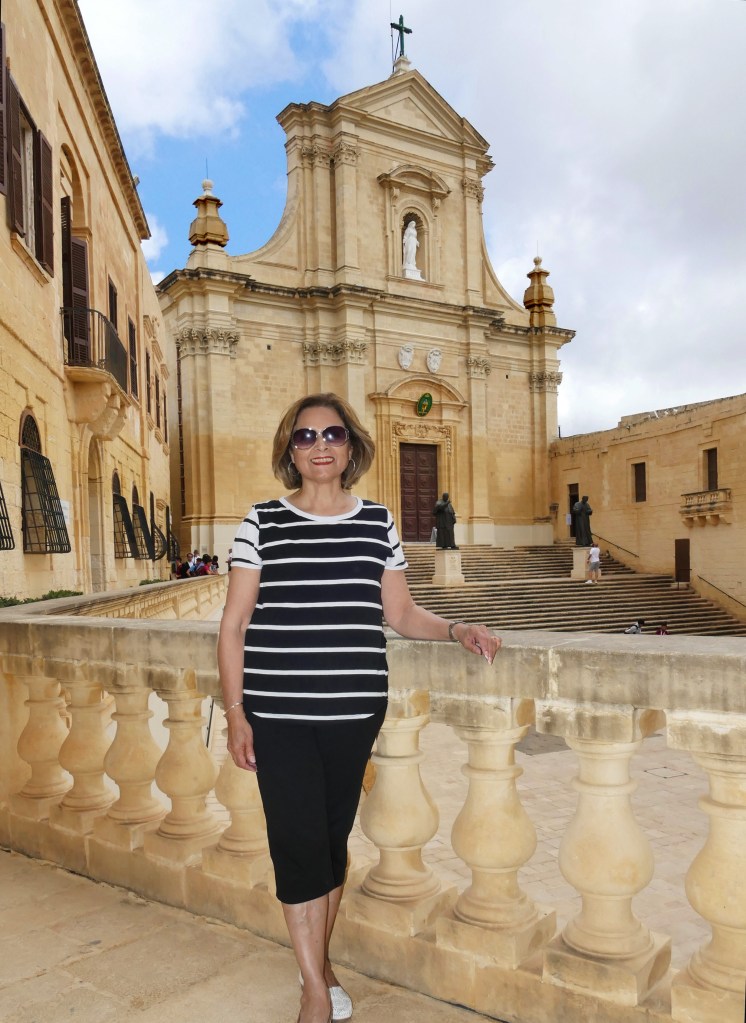

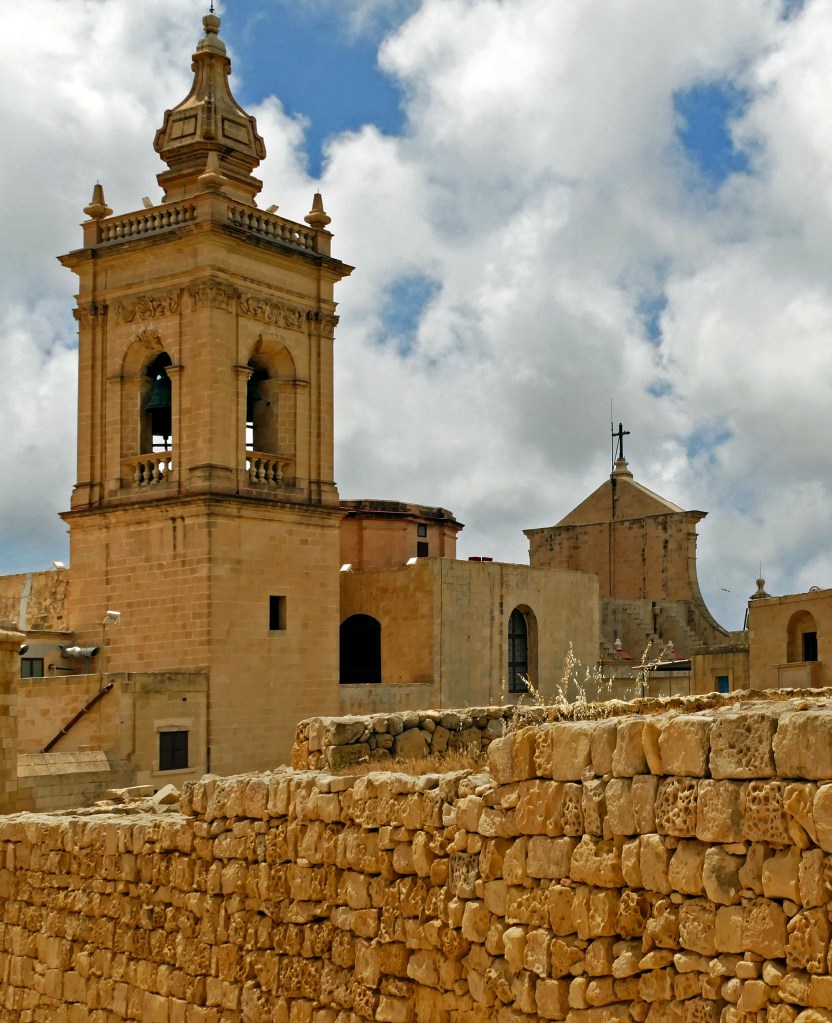
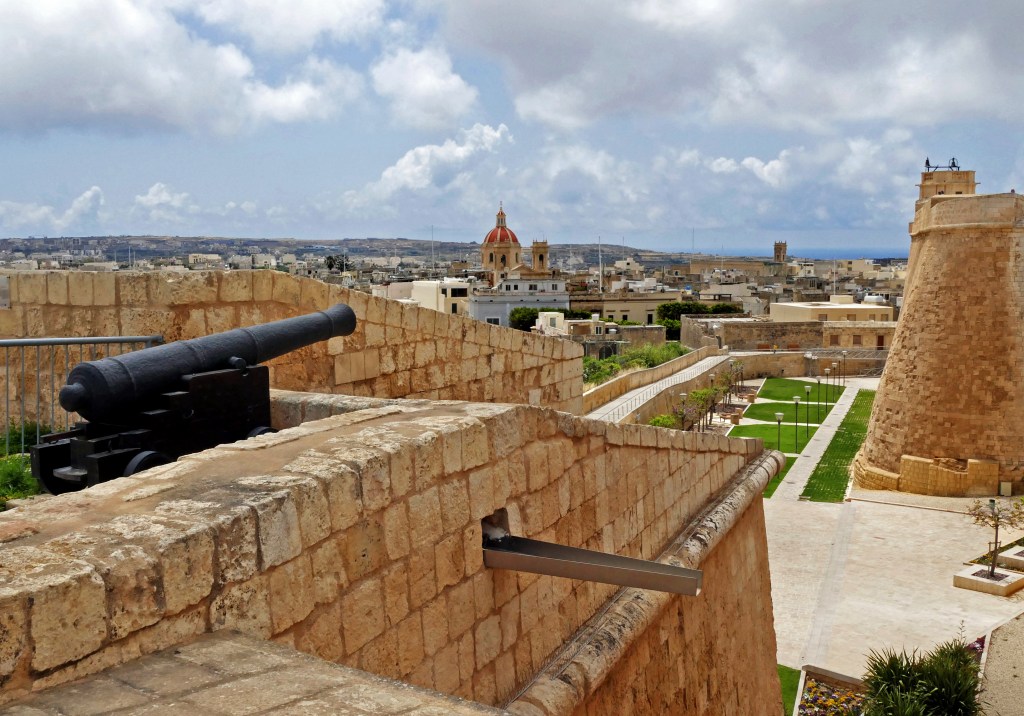
Back on the main island, other places to visit are Mosta, with its large domed and colonaded basilica and Medina, the medieval capital of the island. Within its walls is a maze of narrow streets leading to the Bishop’s Palace and on the west coast can be found less frequented beaches.
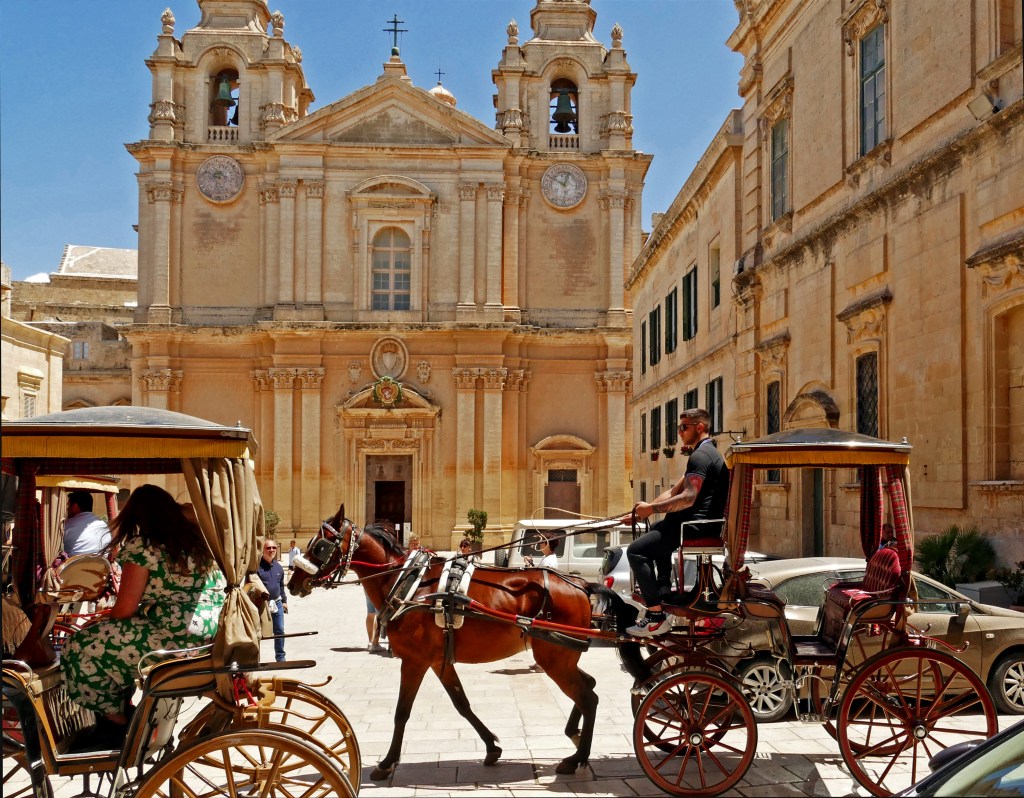

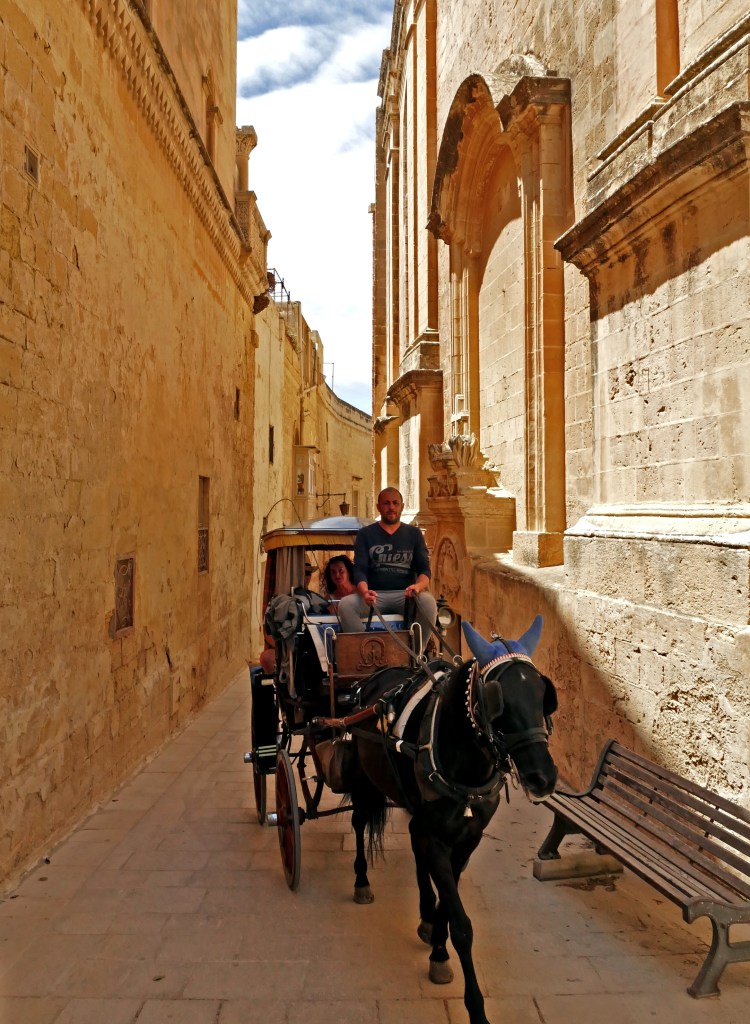

The Copper Age megalithic monuments before they were covered over.
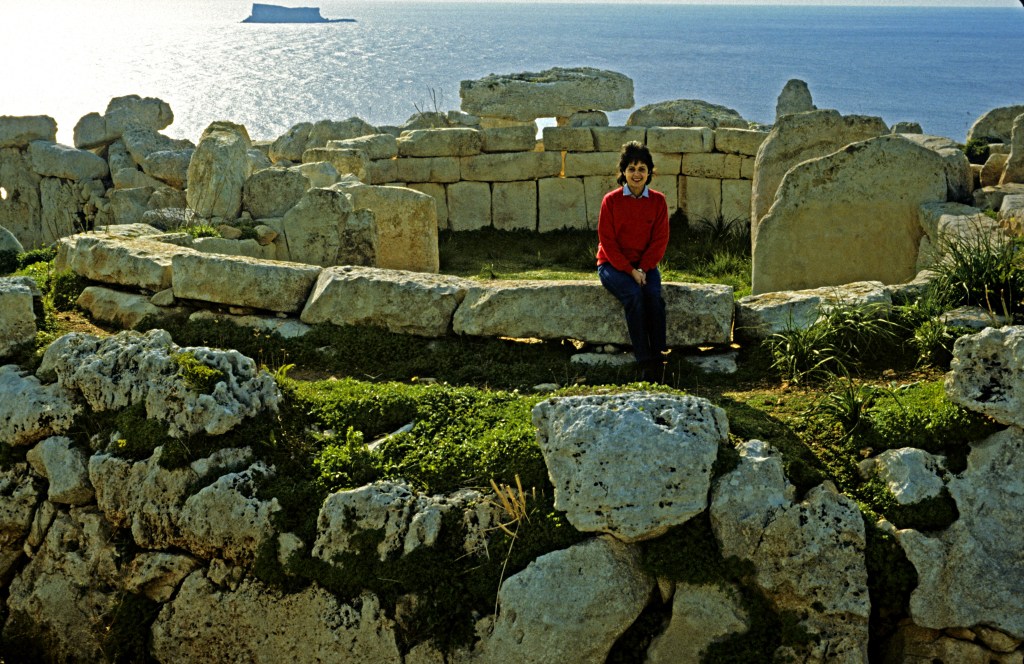
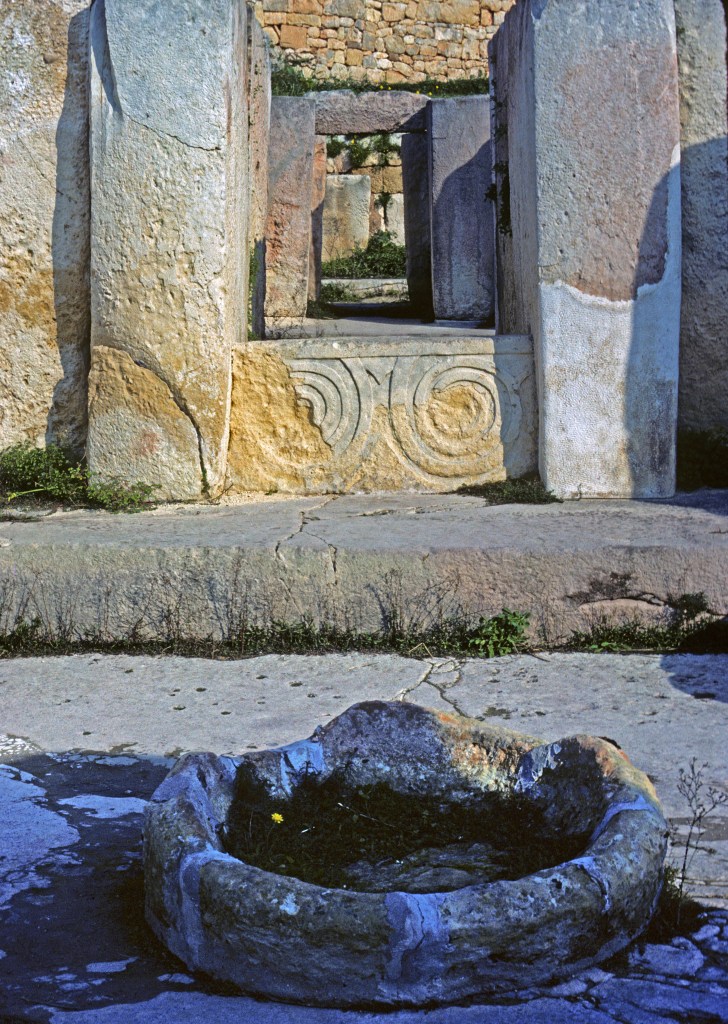
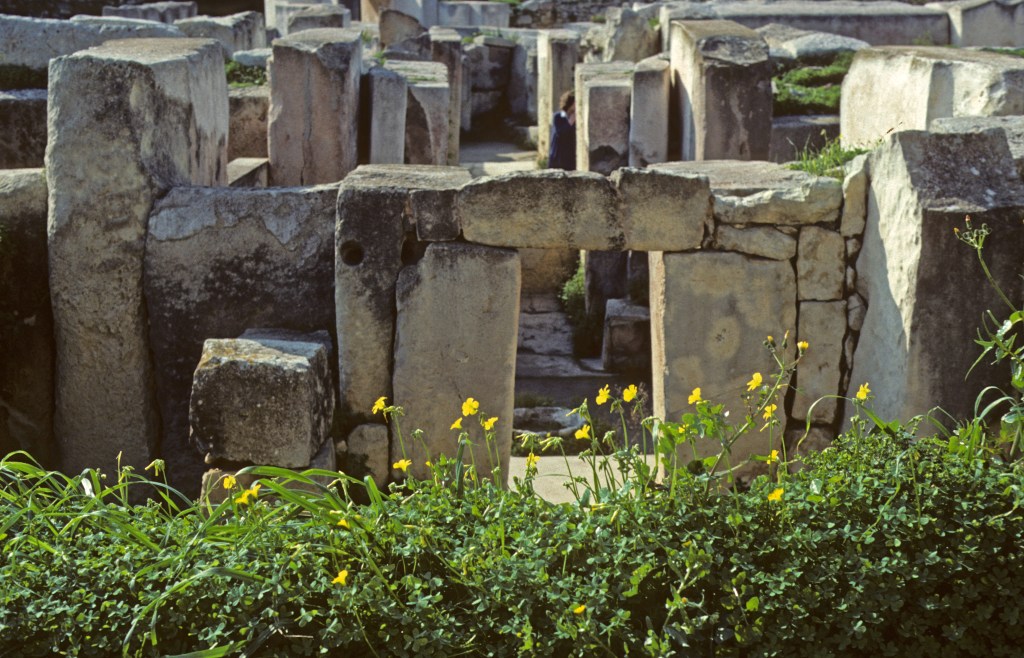
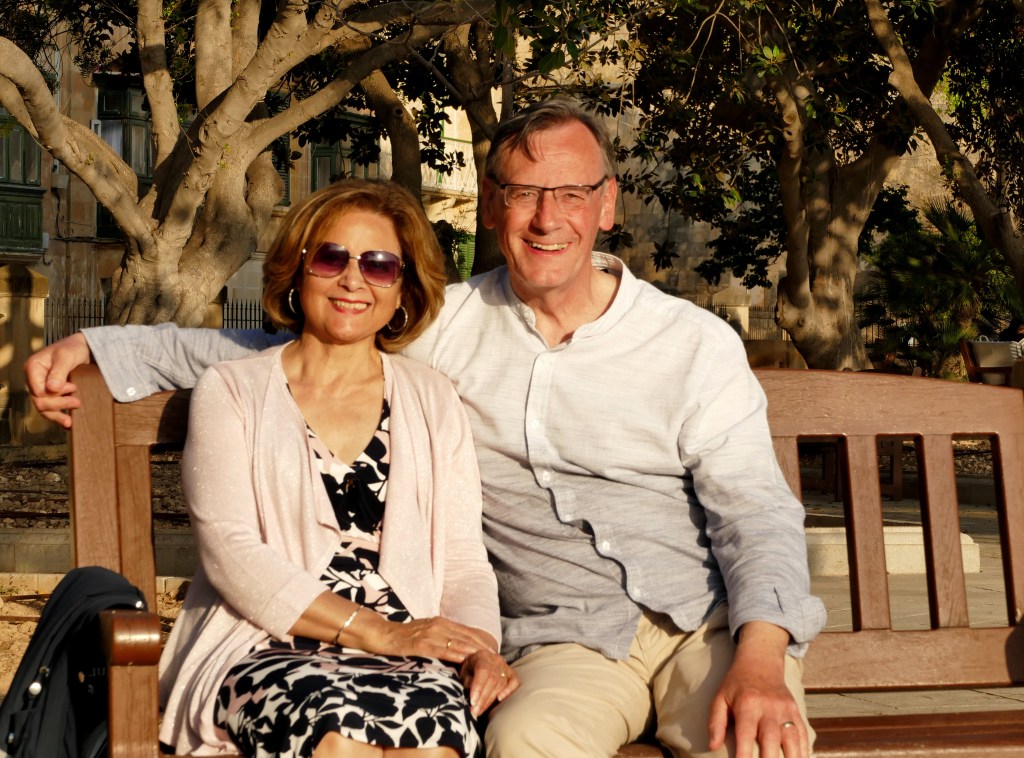
Malta 1982 and 2022


The volcanic but verdant island of Ischia.
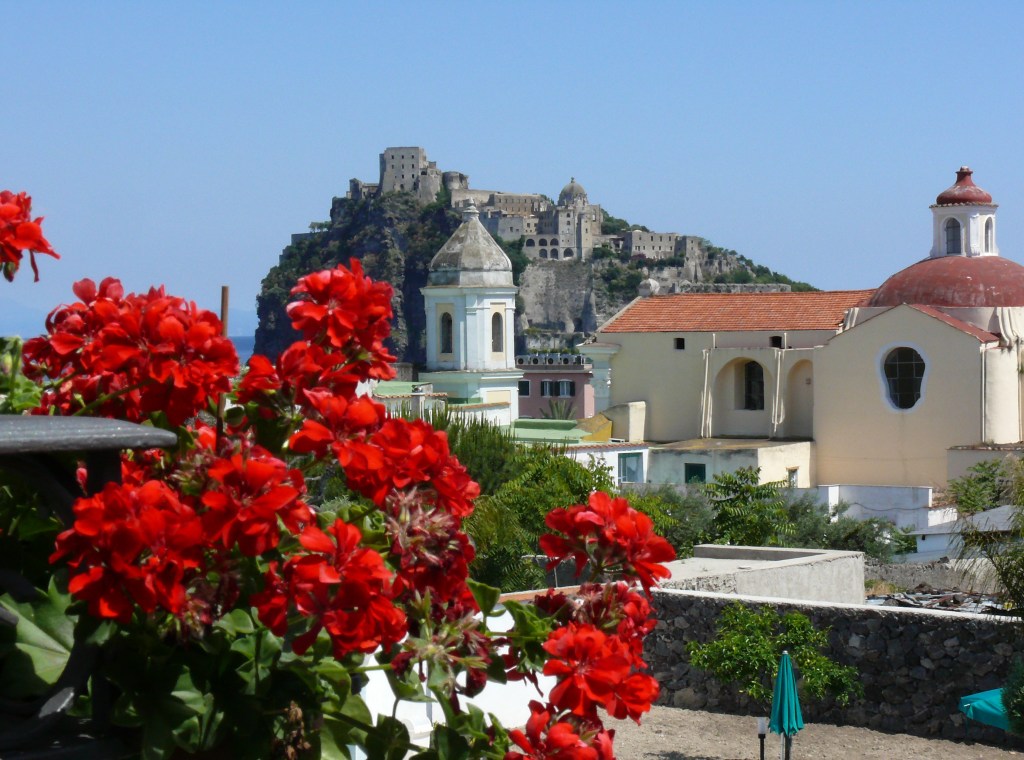
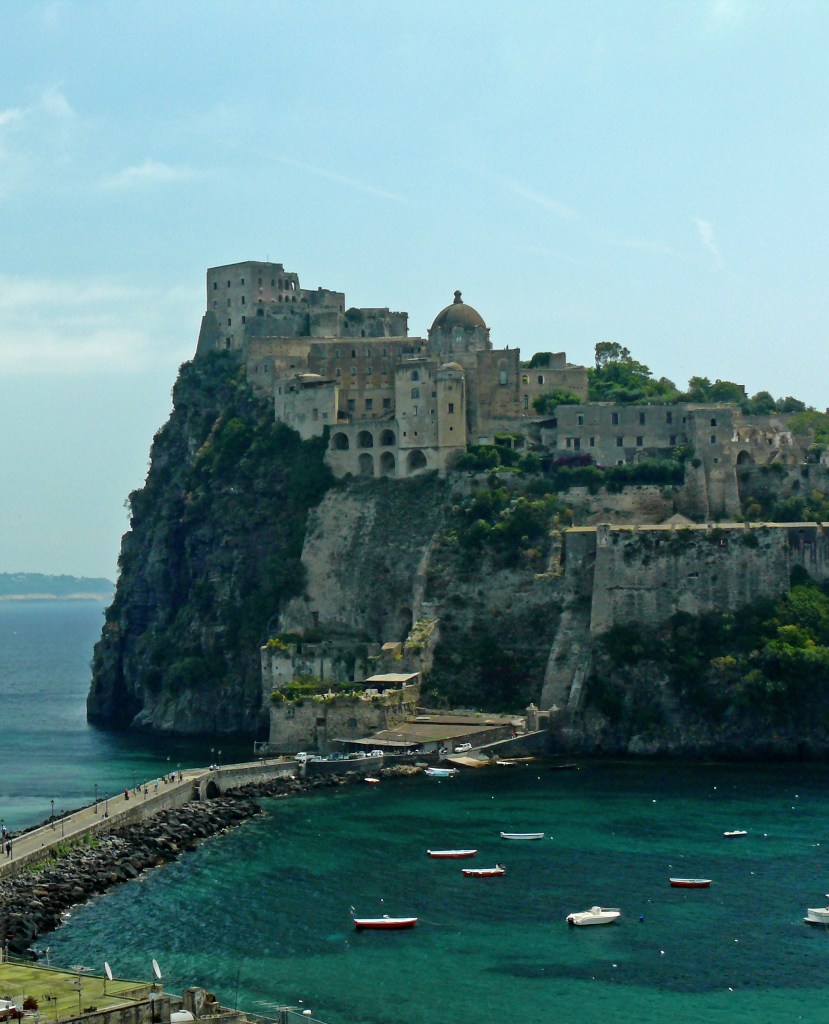
The Island of Ischia is the largest island in the Bay of Naples. It is quite different from Capri, which is smaller, more rugged and busier. Capri is made up of limestone, while Ischia is a volcanic island and part of a small archipelago which includes Procida. Attached to Ischia by a causeway is the Castello Aragonese, built on a volcanic pug.

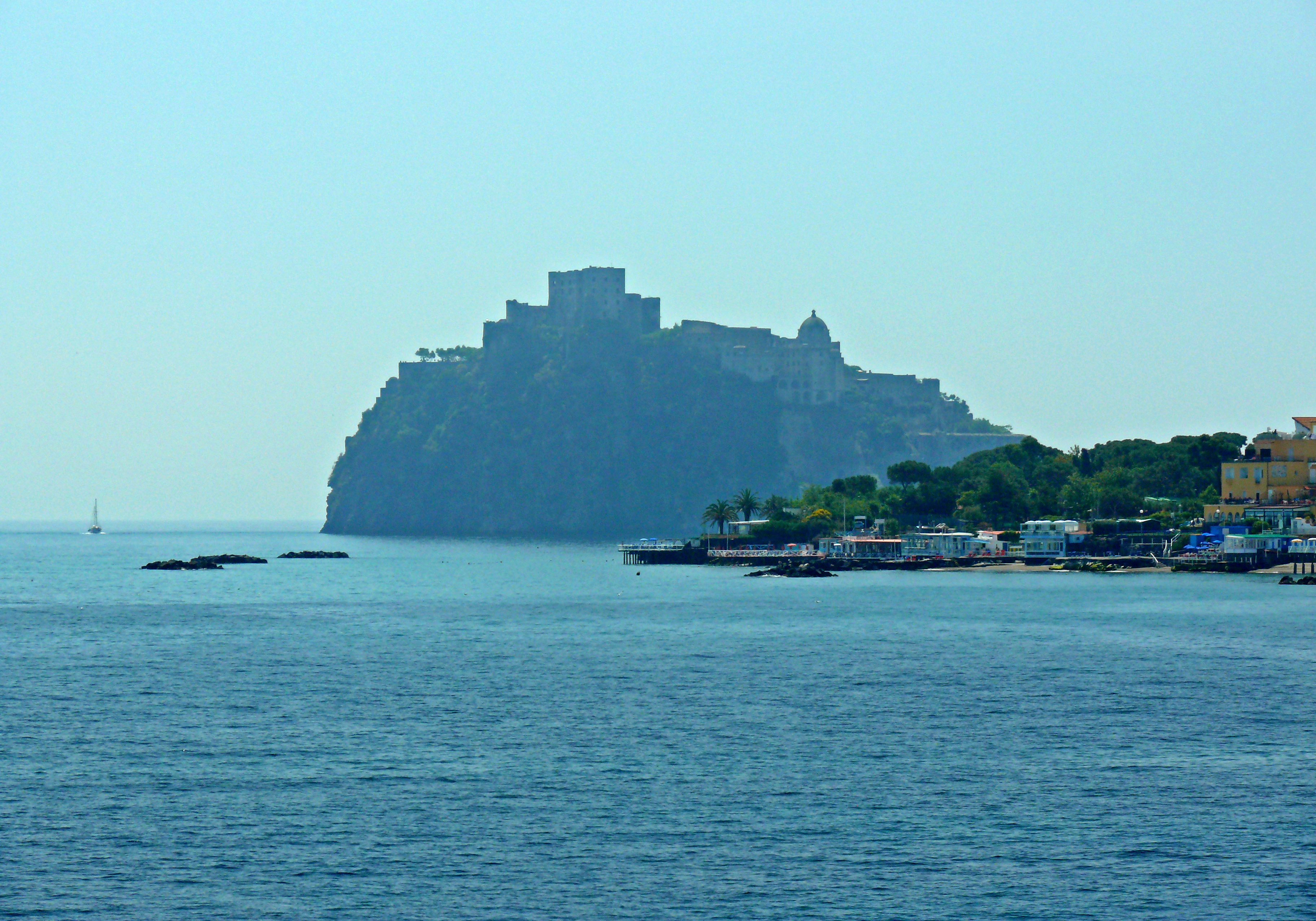
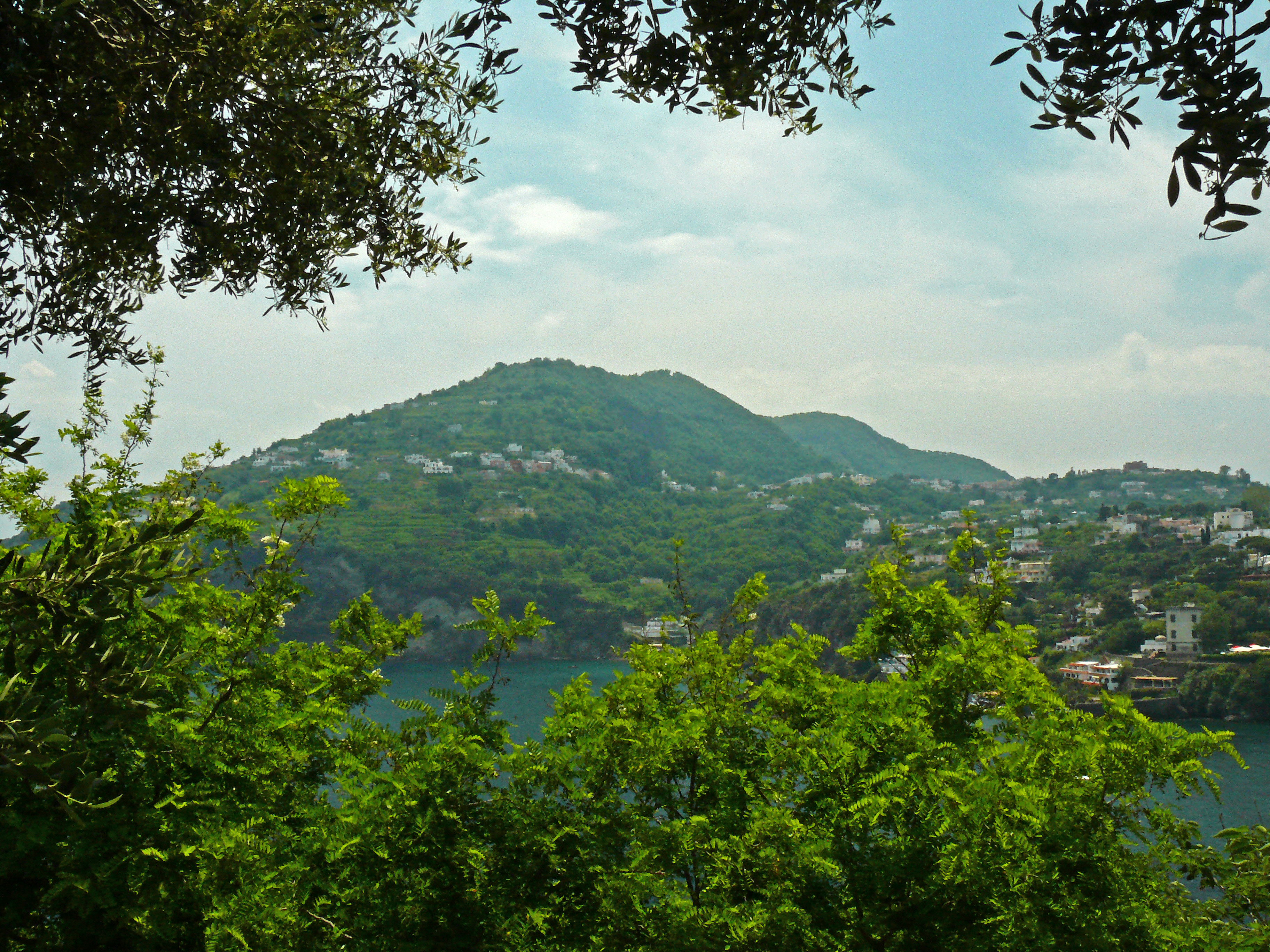
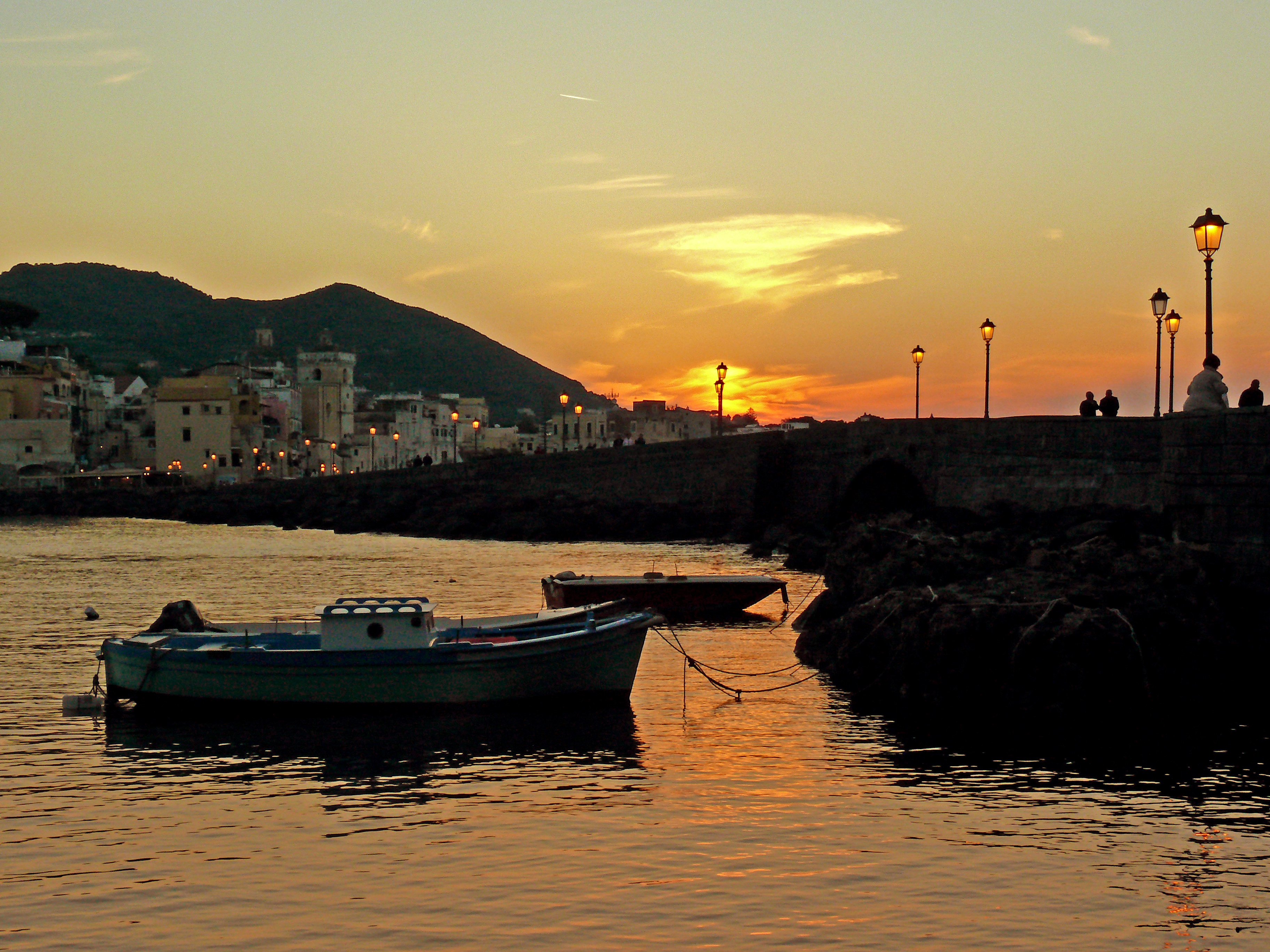
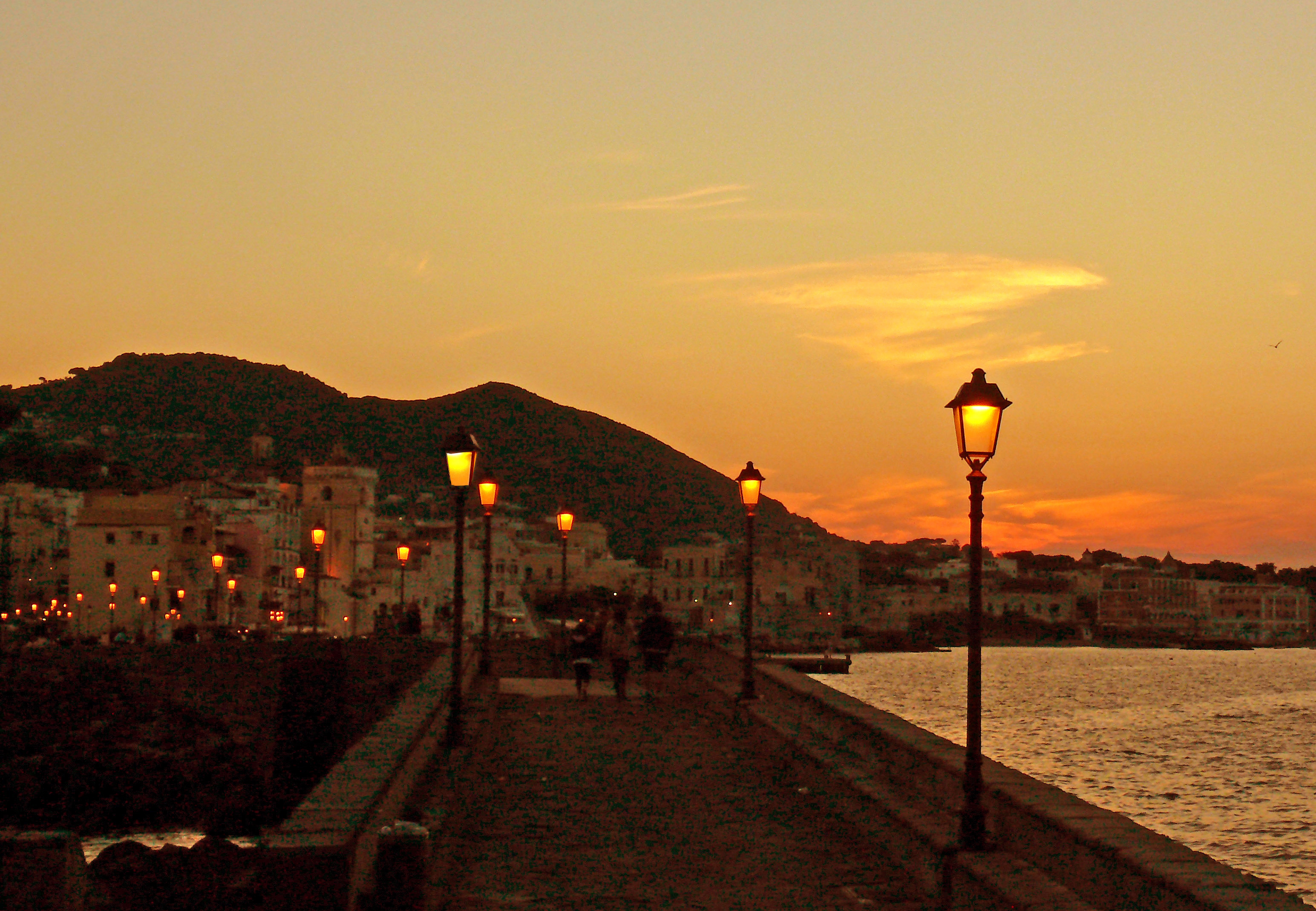
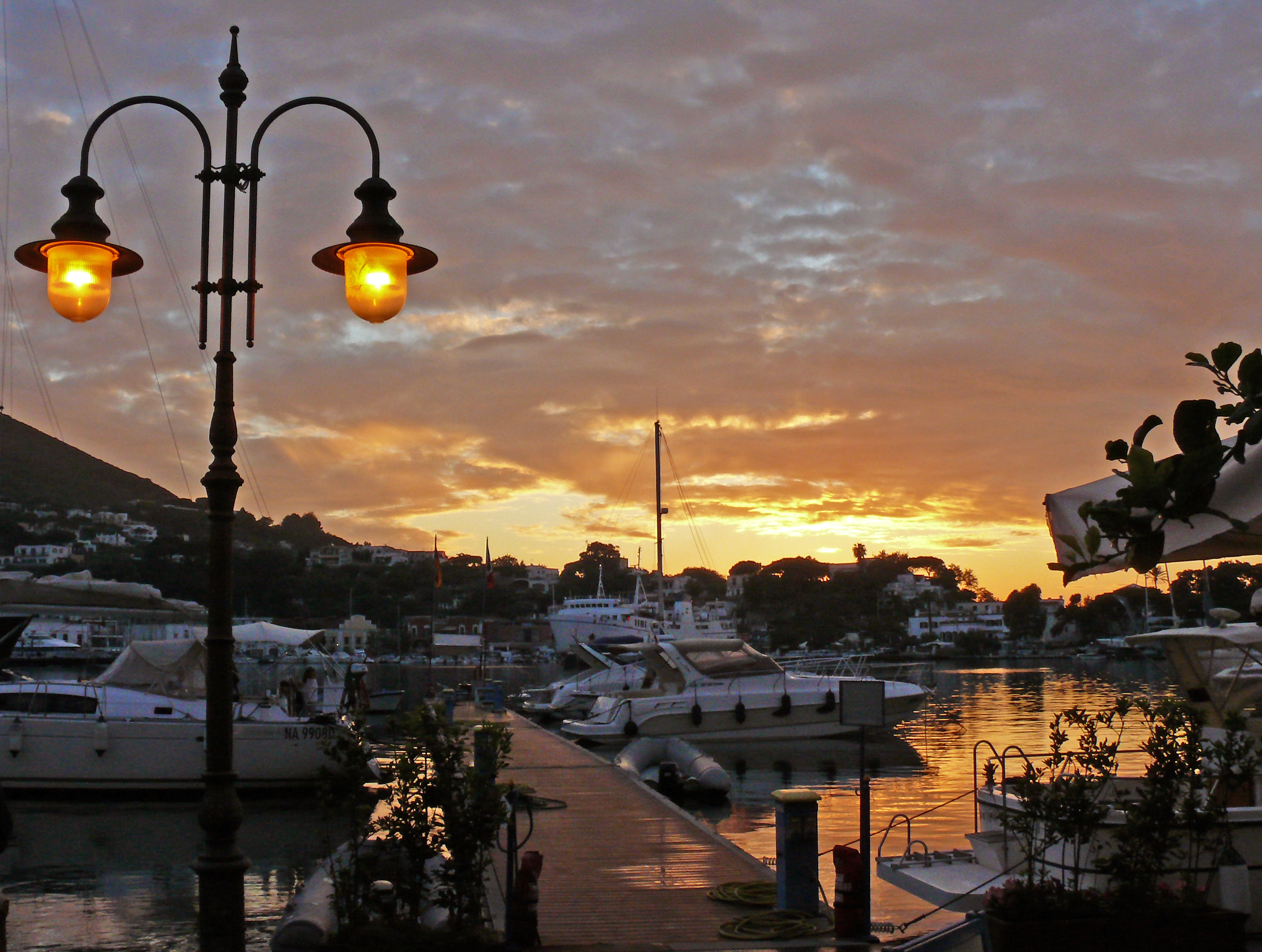
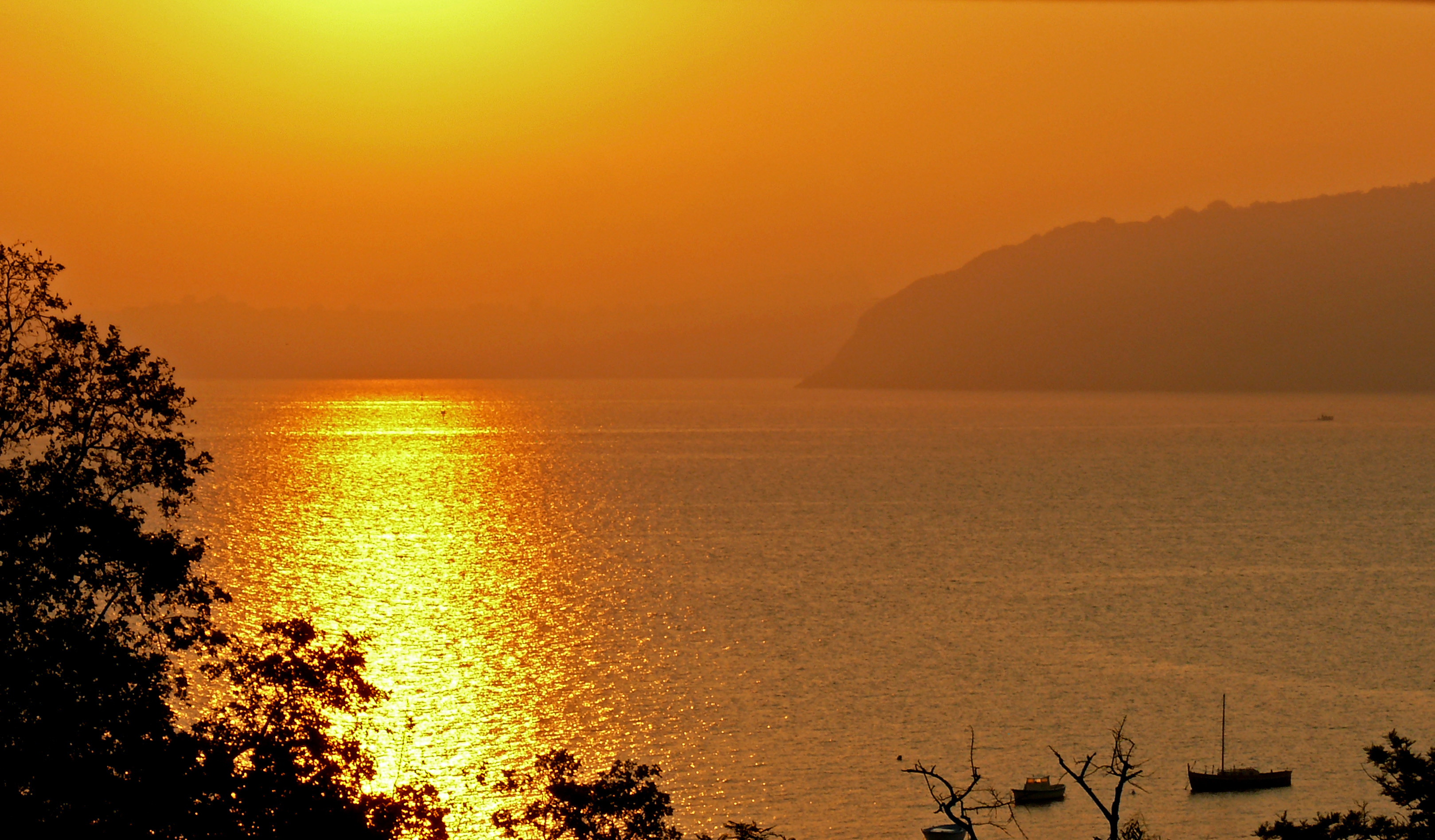
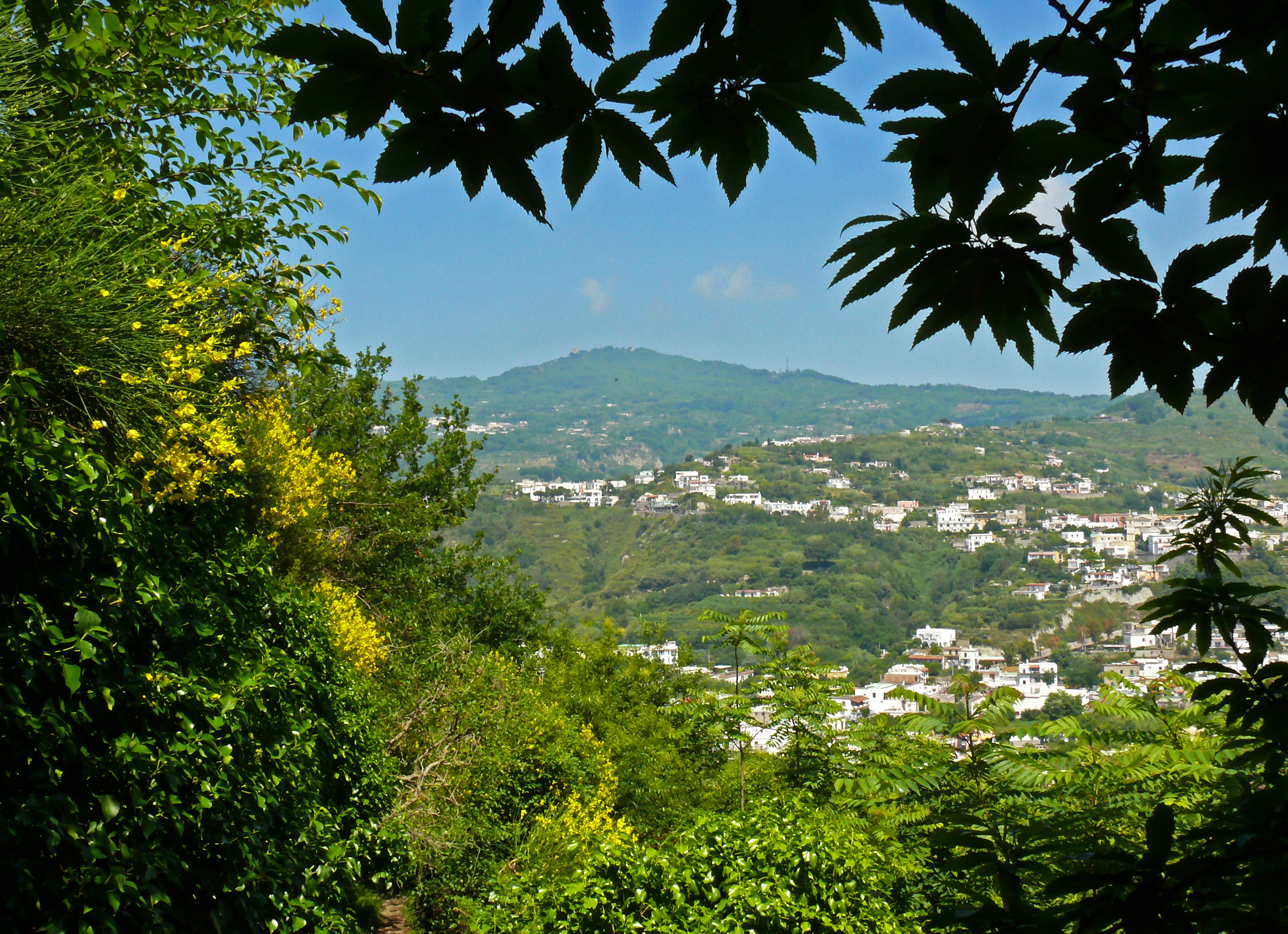
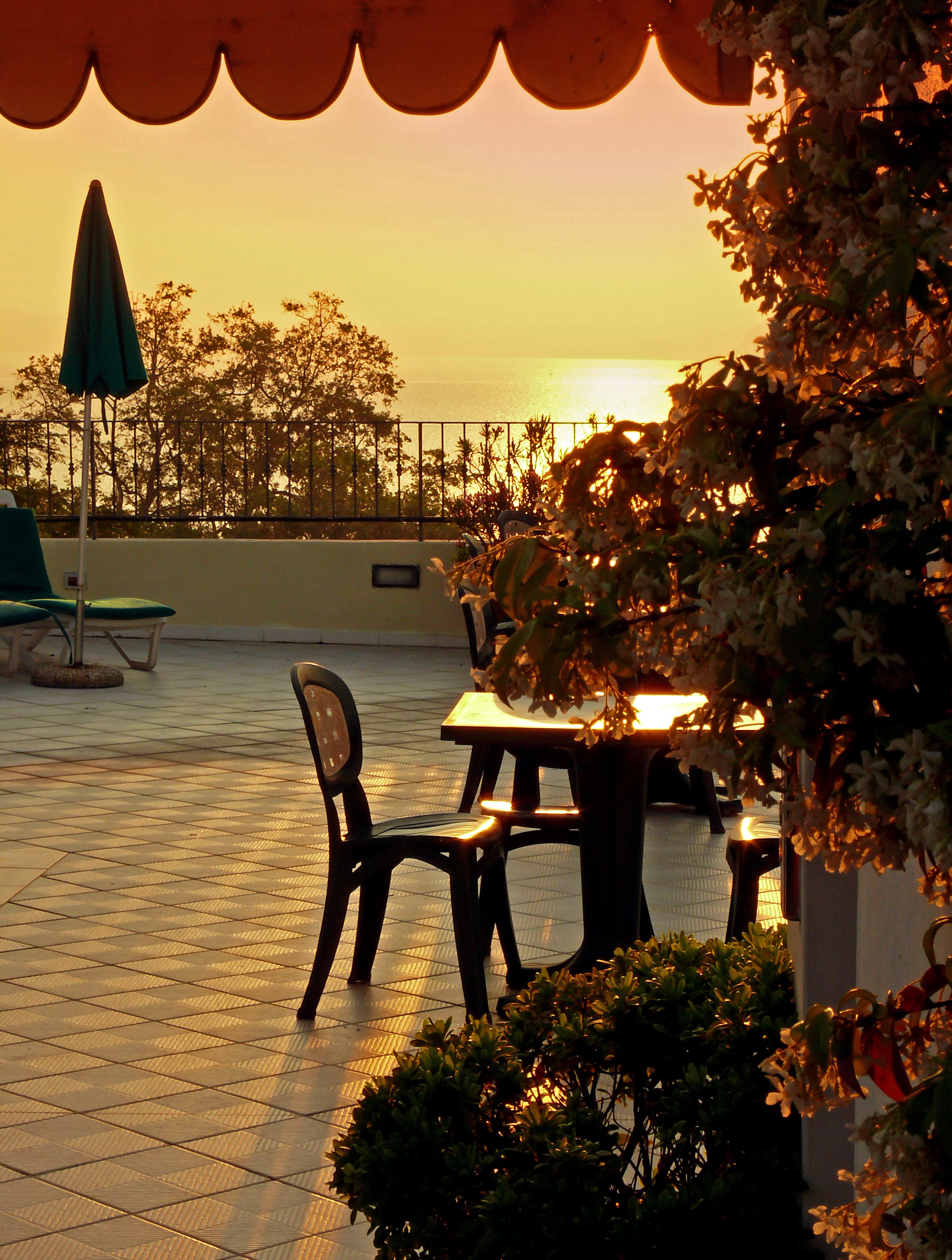
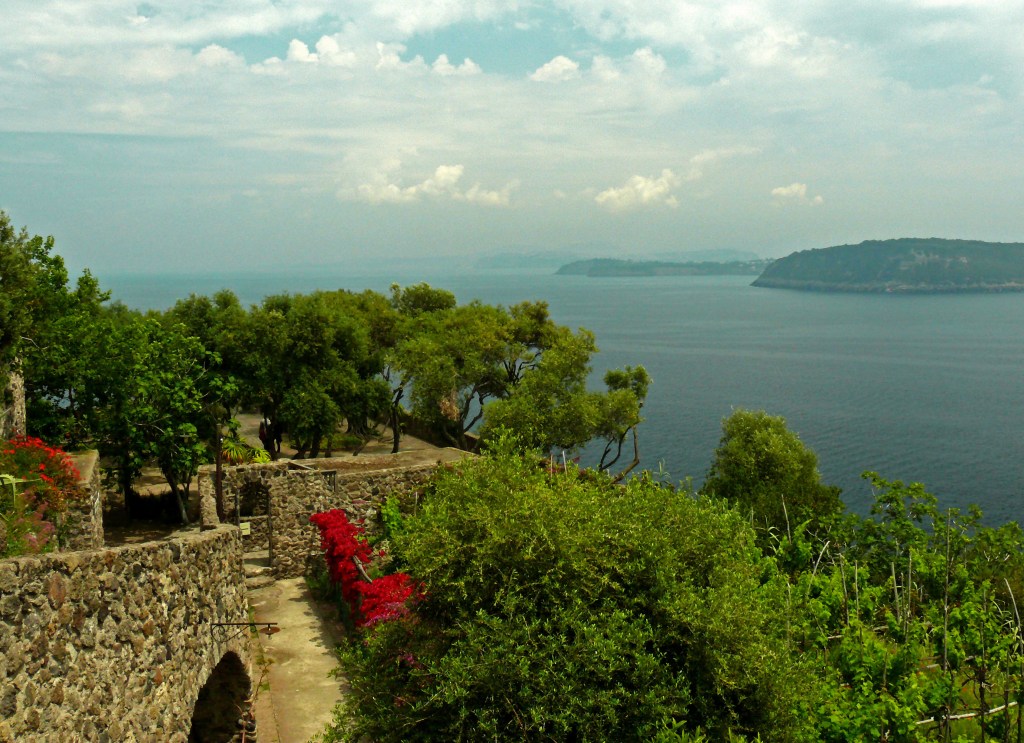
It is possible to walk across a causeway to enter the Castello Aragonese and make the long climb to the top, from which there are views in all directions.
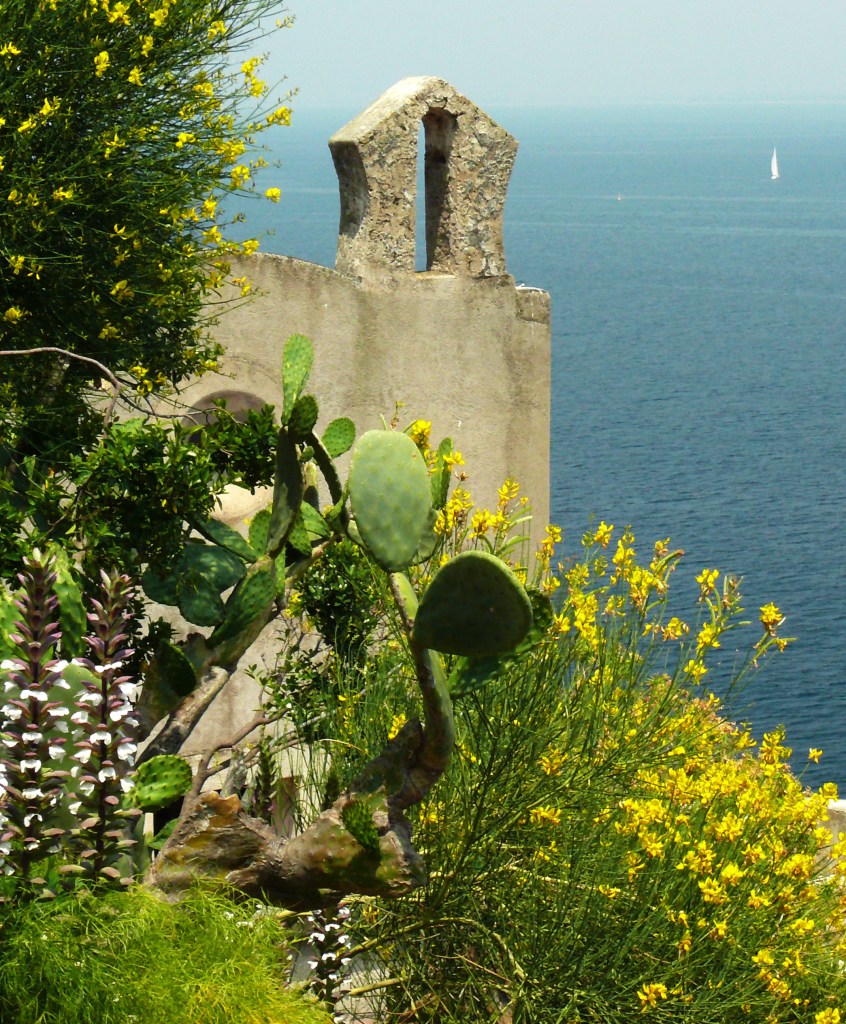

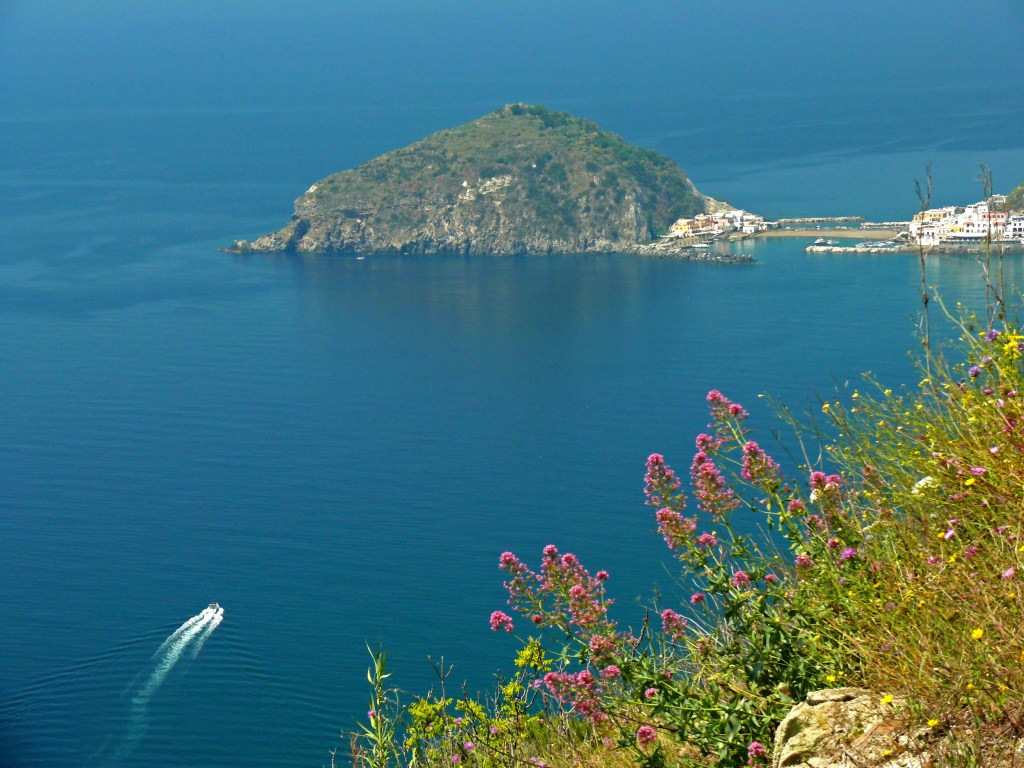
On the south side of Ischia is Maronti, set between two of the island’s highest hills; Monte Trippodi (500m.) is Ischia’s highest point, and Monte Cotto (245m.), which overlooks the Mediterranean and Maronti beach. This long, sheltered beach, lined with seafood restaurants, then leads to the Torre di Sant’ Angelo headland. The island’s most southerly point



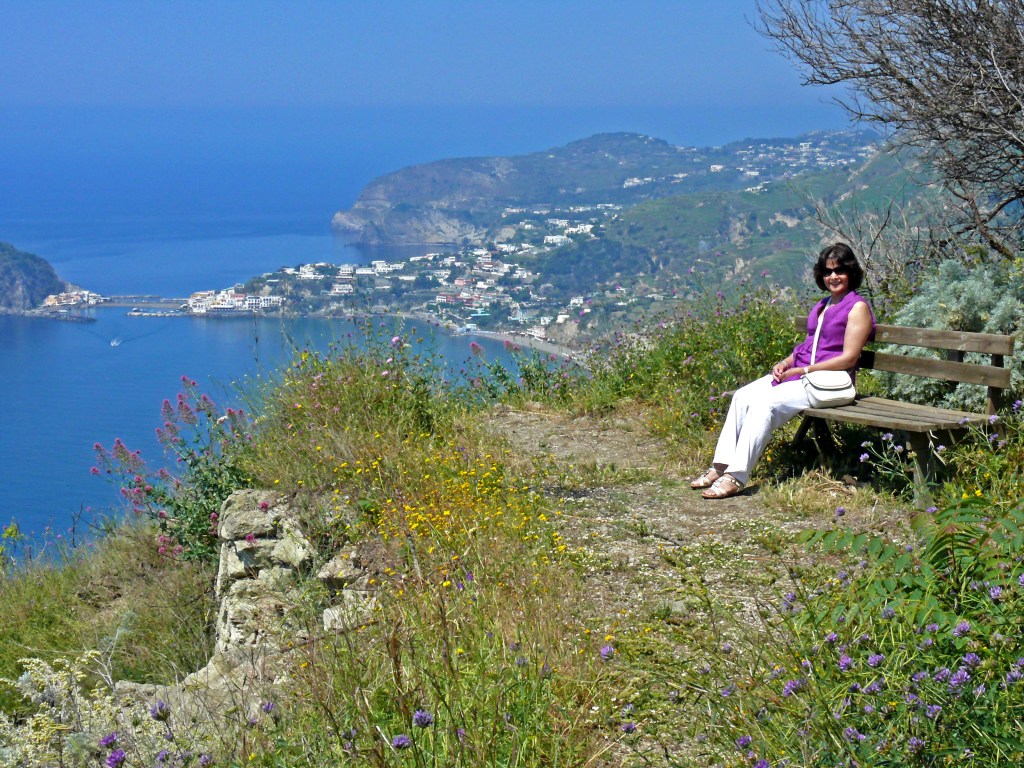
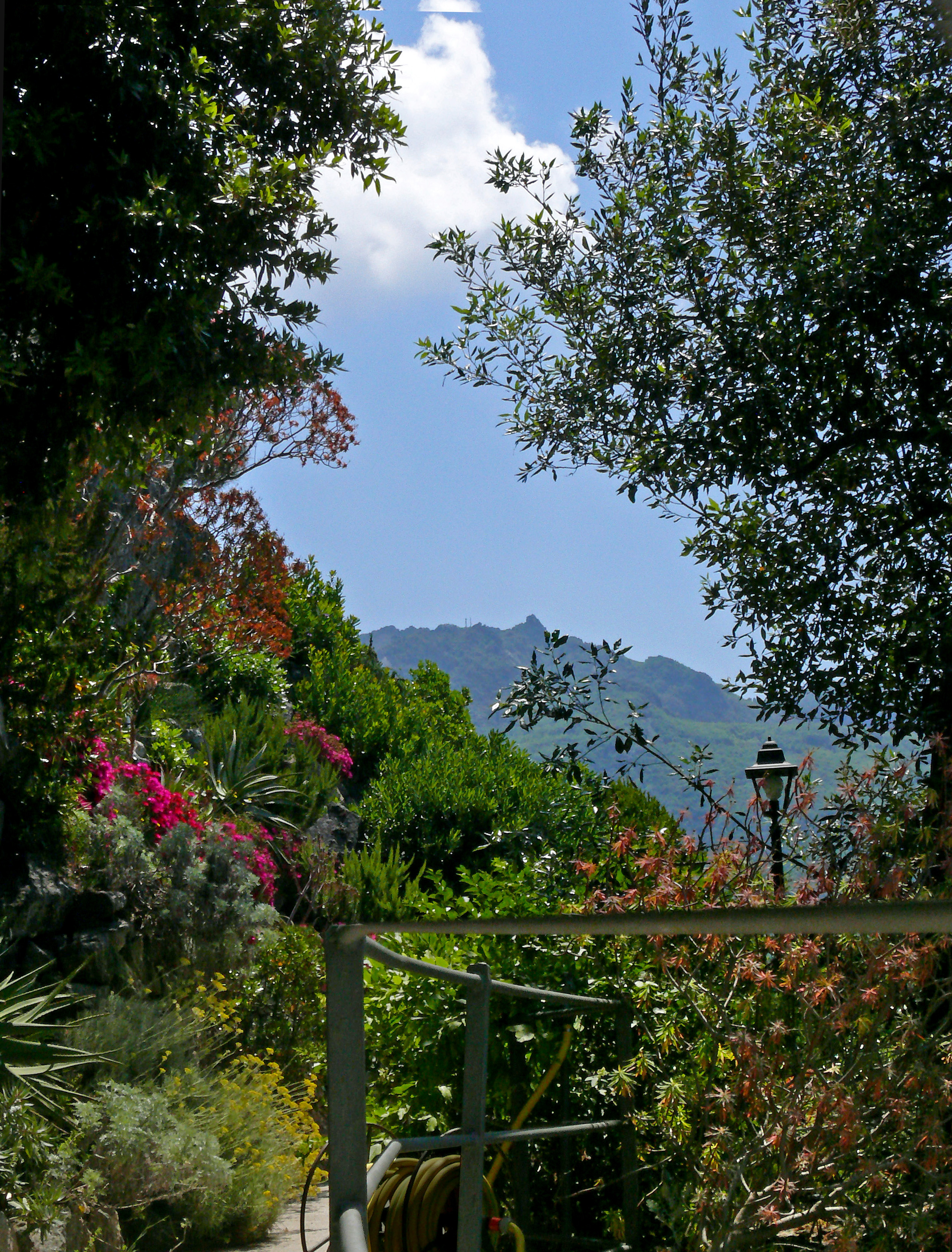
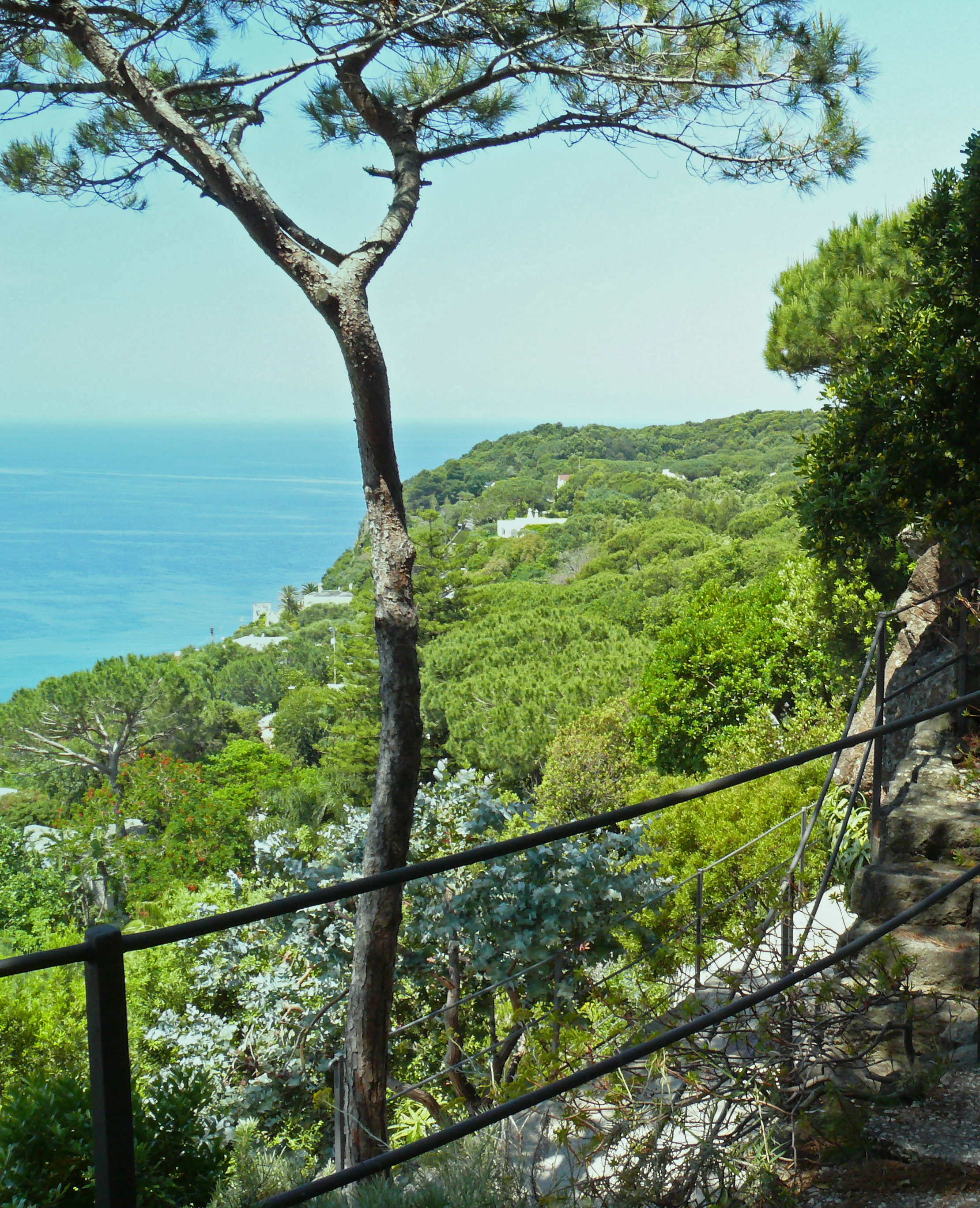
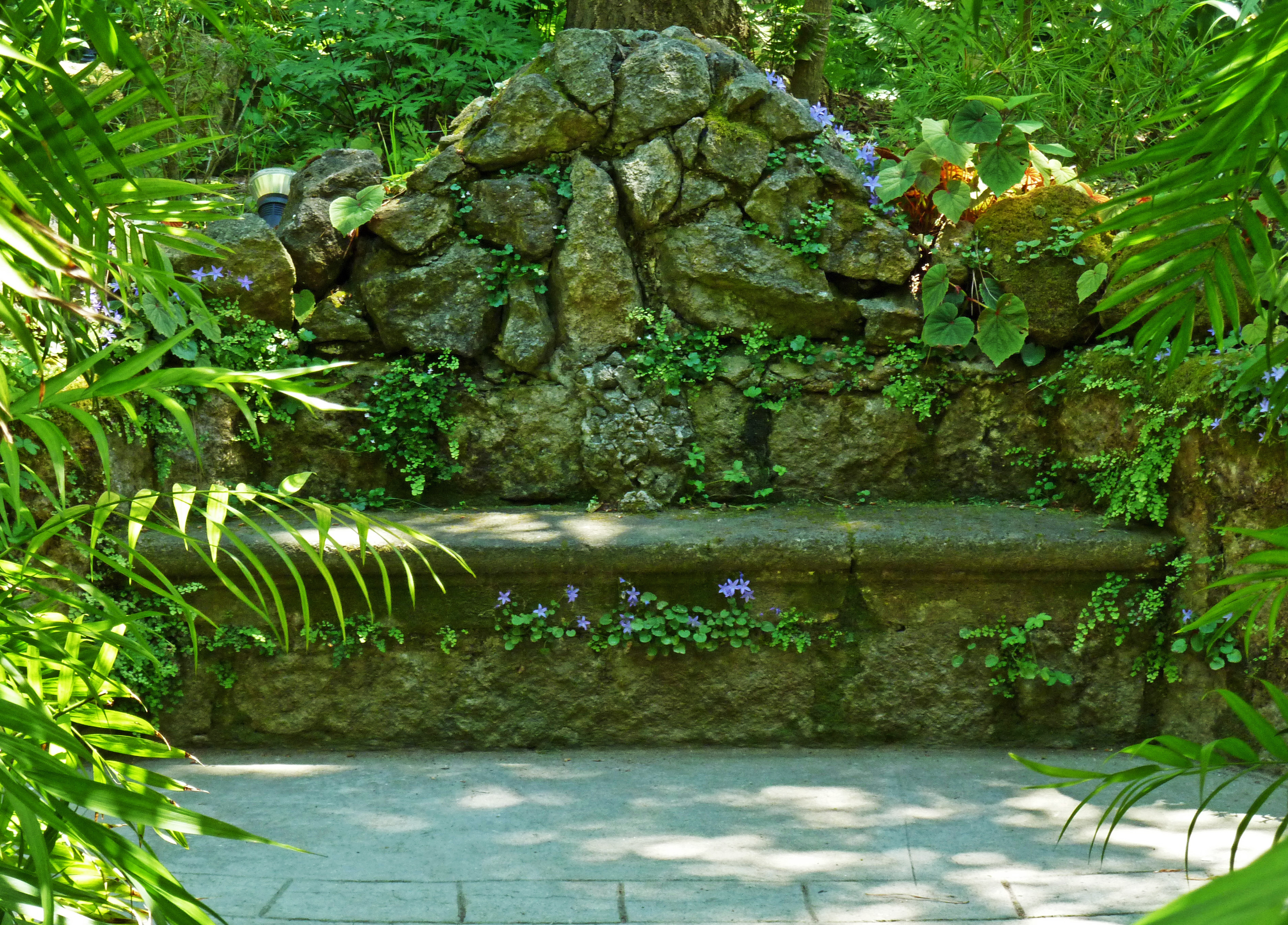
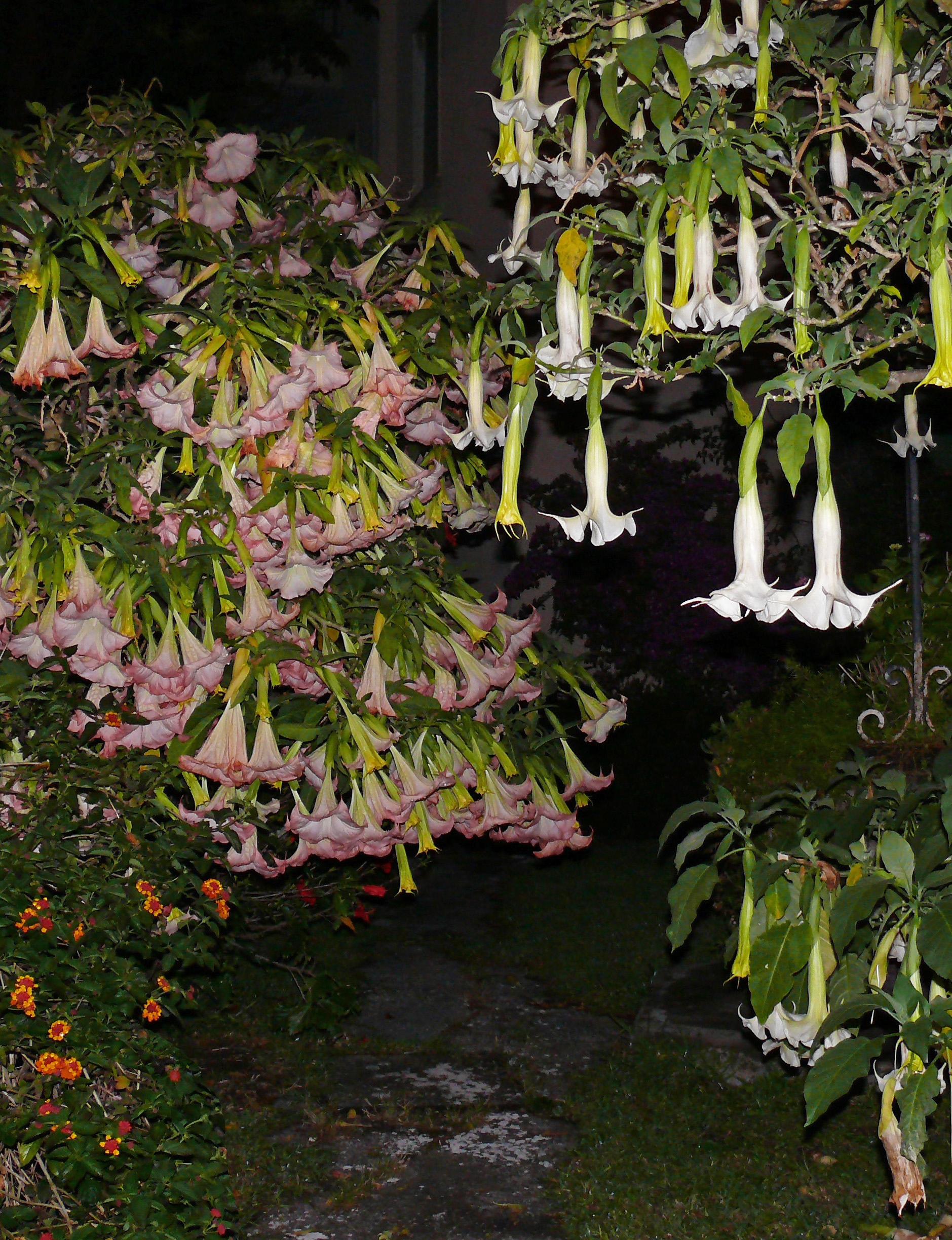
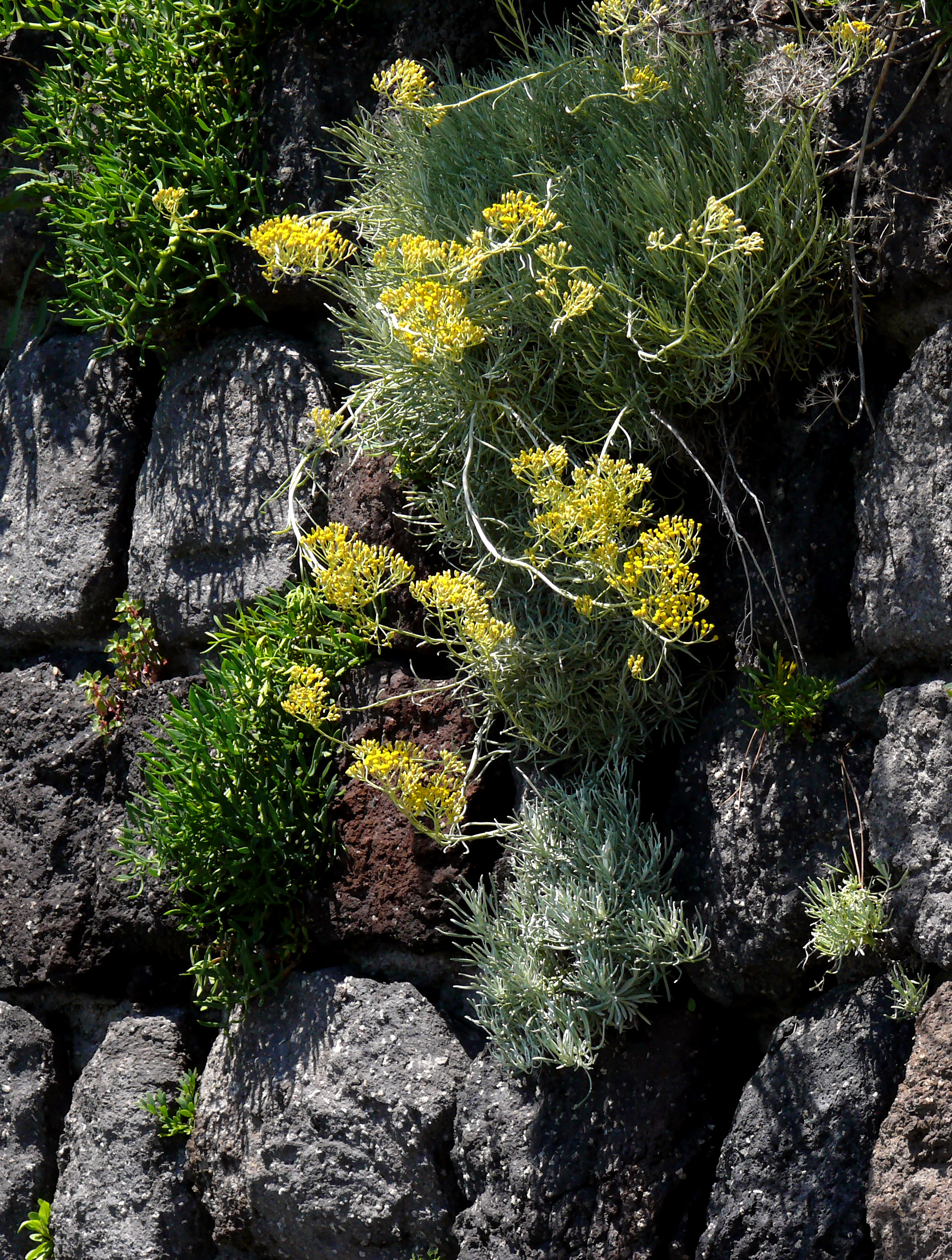
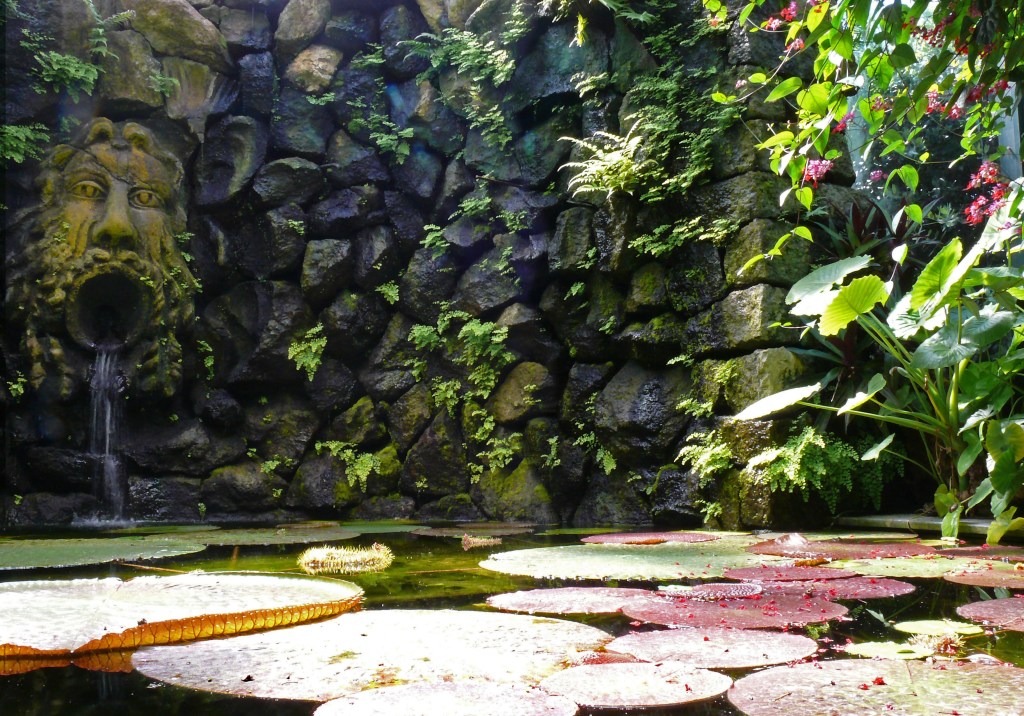
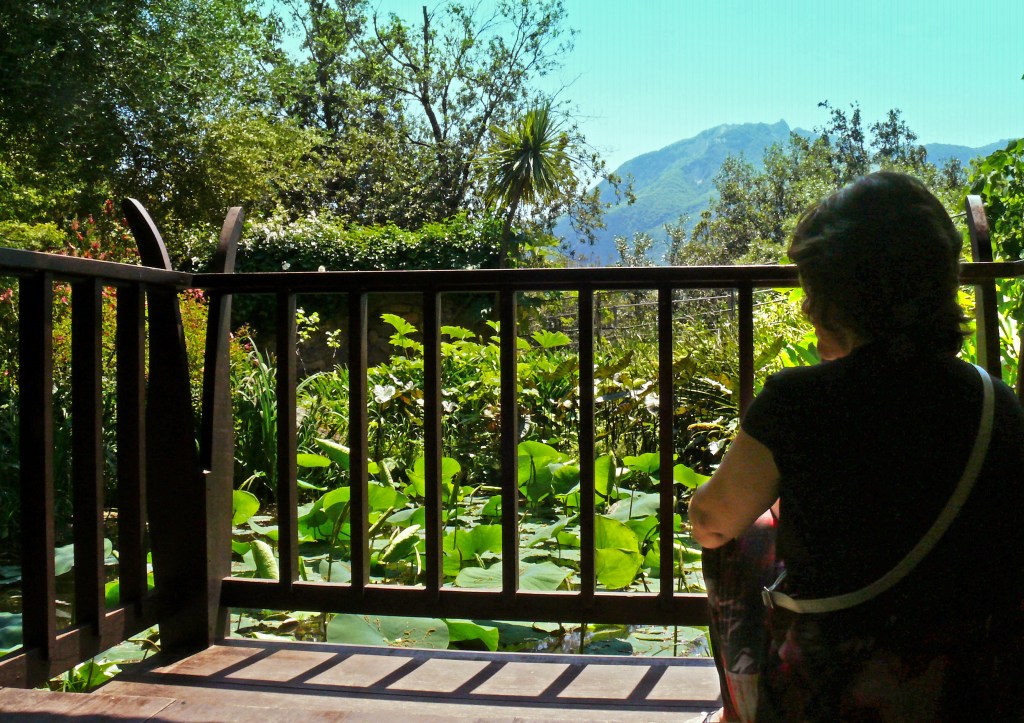
Set on a northwesterly promontory of Ischia is the Giardini La Mortella. This extensive garden was designed by Russel Page for the composer William Walton and his Argentinian wife Susana in the 1950s. It was built out of the volcanic rock face with secluded areas but also offers wide views on reaching the top of the ridge.
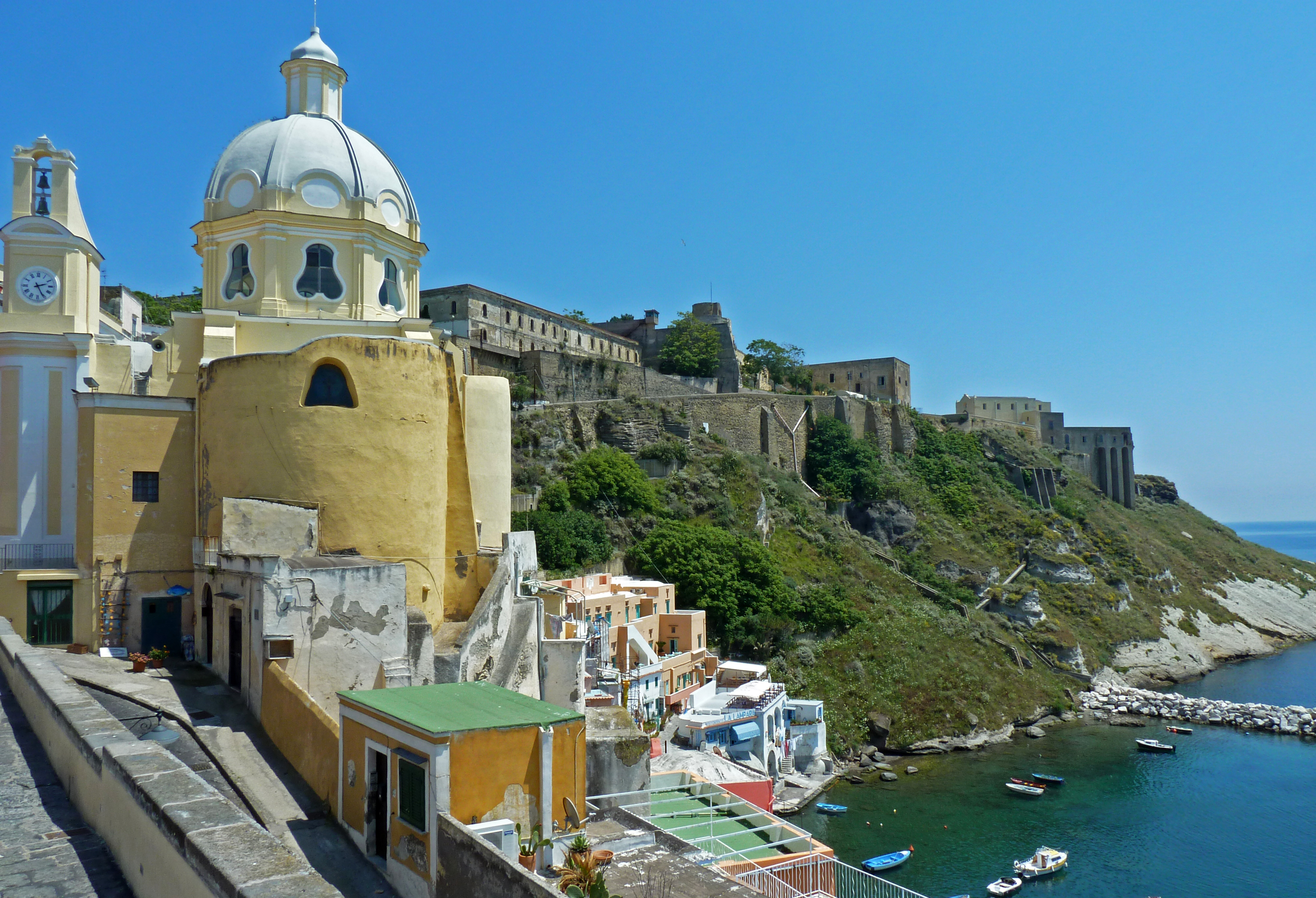
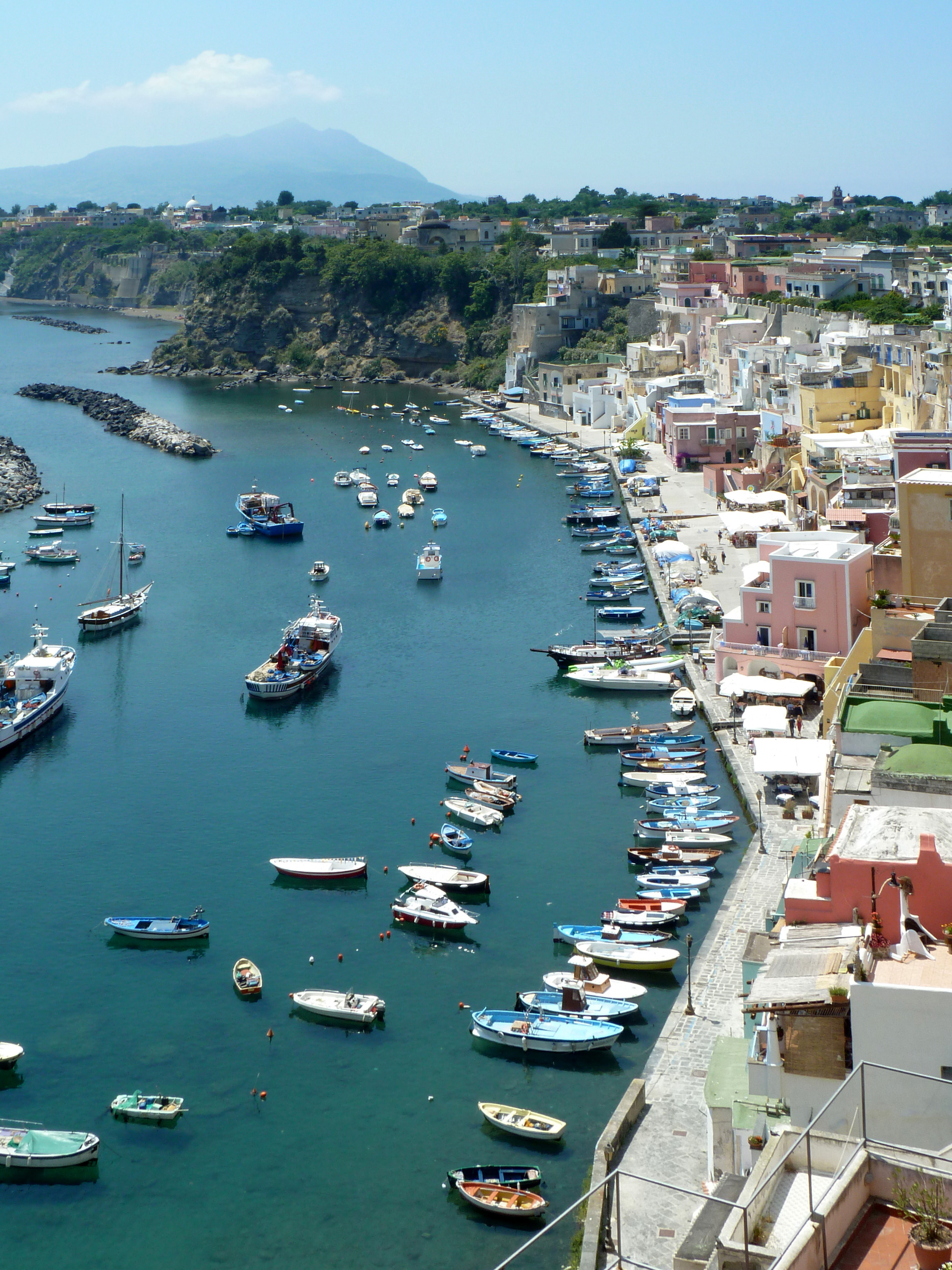
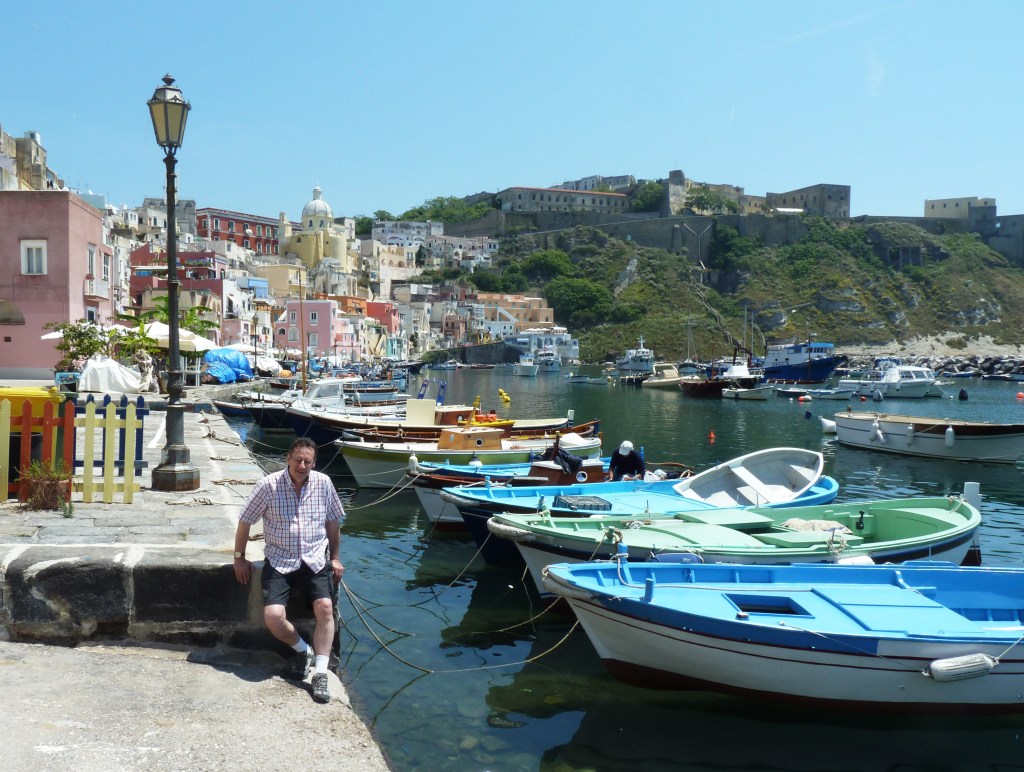
From Ischia, a ferry can take you to the small island of Procida. It docks at Corricella at the western and most rugged end of the island, but it is on the far side of the steep ridge to which the town clings that you find the sun trap of Corricella’s marina. It is overlooked by a dilapidated post-medieval fort from which there are views west back across the wide arc of the busy bay and back to Ischia.



 imagesbeforeai.com